Agriculture & Farming Diecast Models
The Agriculture & Farming category at DiecastModelsWholesale.com features collectible scale models representing the machines and vehicles used in modern and historic agriculture. Tractors are the most recognizable subjects, but agricultural diecast can also include combines, harvesters, implements, trailers, farm trucks, and other specialized equipment.
Agricultural machinery is an important part of industrial and transportation history. The transition from animal-powered farming to mechanized agriculture transformed how farms operated during the 19th and 20th centuries. The Smithsonian's National Museum of American History maintains a substantial collection of full-size tractors and scale models documenting this development.
For collectors, farm diecast models offer an opportunity to collect recognizable equipment brands, historic tractors, modern agricultural machines, and detailed replicas of the equipment used for planting, cultivating, harvesting, and transporting crops.
What You'll Find in Agriculture & Farming Diecast
The Agriculture & Farming category can include a wide range of agricultural vehicles and equipment, depending on current inventory. Shoppers may find:
- Agricultural tractors
- Farm tractors
- Vintage and antique tractors
- Modern tractors
- Row-crop tractors
- Utility tractors
- Combines and harvesters
- Hay and forage equipment
- Planting and seeding equipment
- Plows and tillage equipment
- Trailers and farm transport equipment
- Farm trucks and service vehicles
- Specialized agricultural machinery
- Tractor-and-implement combinations
Some models represent a complete working machine, while others may include implements or trailers designed to complement the tractor.
This makes agricultural diecast particularly versatile for collectors. A single tractor can stand on its own as a display piece, while several related models can be combined into a miniature farm or agricultural scene.
A Brief History of Agricultural Tractors
Before mechanization, farming depended heavily on human labor and draft animals. Steam-powered agricultural equipment appeared during the 19th century, but these early machines were generally large, expensive, and difficult to operate.
The development of practical internal-combustion tractors in the early 20th century changed that equation. The Smithsonian notes that the first tractors entering the market around the beginning of the 20th century were initially large machines, while gasoline-powered tractors eventually became more practical for ordinary farm use.
The word tractor itself is associated with the Hart-Parr company, which developed self-propelled traction engines in the early 1900s. By the 1910s and 1920s, manufacturers were competing to produce smaller, more versatile machines that could perform a broader range of farm work.
The transition was significant. Tractors could provide power for pulling implements and, through systems such as power take-offs, operate other agricultural equipment. Developments including hydraulic systems, pneumatic tires, improved transmissions, and three-point hitches further expanded what tractors could do.
Fordson and Early Mass-Market Tractors
The early tractor industry included many manufacturers. Ford's Fordson became an important example of a relatively affordable tractor produced on a large scale. According to the Smithsonian, Fordsons accounted for a very large share of U.S. tractor purchases during the early 1920s before Ford eventually left the U.S. tractor business in 1928.
The period demonstrates why vintage agricultural diecast models can be more than simple miniature vehicles. A tractor can represent a particular stage in the development of farming technology.
John Deere and the Waterloo Boy
John Deere has become one of the most recognizable names in agricultural equipment, but the company did not officially enter the tractor business until 1918, when it acquired the Waterloo Gasoline Engine Company. The Waterloo Boy became an important early part of Deere's tractor history.
The John Deere Model D, introduced in 1923, was the first tractor marketed by the company under the John Deere name.
For collectors, these early machines help connect modern agricultural equipment with the formative period of tractor manufacturing.
From Vintage Tractors to Modern Farm Machinery
Agricultural equipment has continued to evolve considerably since the early tractor era. Manufacturers have developed larger and more specialized machines capable of performing increasingly complex tasks.
Modern agricultural machinery can incorporate electronic controls, GPS guidance, yield monitoring, automated steering, and other technologies associated with precision agriculture. The Smithsonian identifies GPS-based field management and computer technology as important developments in modern farming.
That technological progression creates several distinct collecting opportunities. Some collectors prefer the simple mechanical appearance of early tractors, while others are drawn to the size, engineering, and technology of contemporary agricultural machines.
Types of Agricultural Diecast Models
Farm Tractors
Tractor diecast models are among the most recognizable agricultural collectibles. They can represent everything from compact utility tractors to large modern machines designed for row-crop farming and heavy field work.
Collectors may choose tractors based on manufacturer, model, production era, scale, or the type of farming operation they represent.
Vintage and Antique Tractors
Older tractors have distinctive shapes and mechanical details that make them especially appealing to collectors interested in agricultural history.
Vintage tractor models can represent the transition from horse-powered agriculture to gasoline and diesel-powered machinery. Details such as narrow front ends, exposed mechanical components, steel or early rubber wheels, and period-specific body designs help distinguish earlier generations from modern equipment.
Combines and Harvesting Equipment
Harvesting machinery provides another important category of farm collectibles. Combine harvesters are complex machines designed to perform several harvesting operations in a single pass.
A combine model can add considerable visual interest to a farm-themed display because of its size, header, wheels or tracks, and specialized harvesting equipment.
Implements and Attachments
Tractors are designed to work with a wide range of implements. Depending on the model, agricultural equipment can include plows, cultivators, planters, seeders, balers, mowers, trailers, and other attachments.
A tractor-and-implement combination can therefore communicate much more about the machine's real-world purpose than the tractor alone.
Collecting Agriculture & Farming Diecast
There are several ways to build an agriculture-themed collection.
Collect by Manufacturer
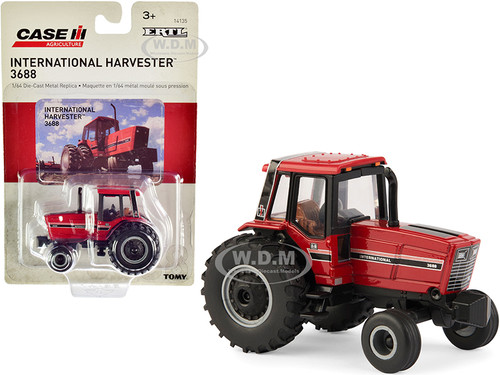
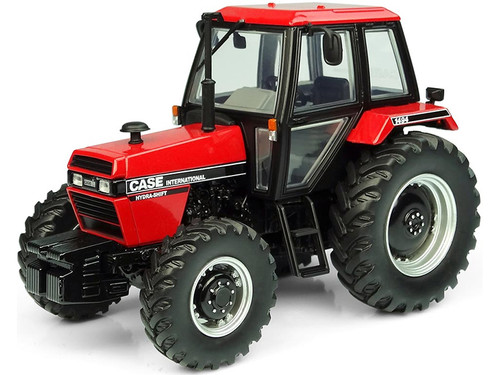
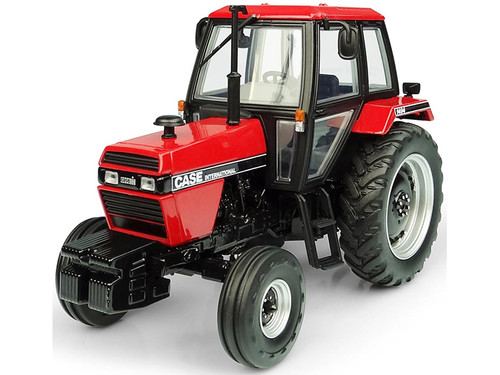
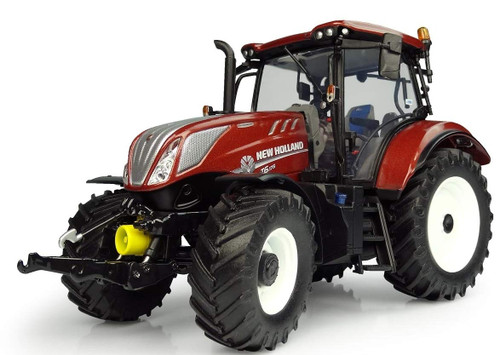
Agricultural equipment has a strong manufacturer identity. Collectors may concentrate on brands such as John Deere, Case IH, International Harvester, New Holland, Massey Ferguson, Fendt, Kubota, Ford, Allis-Chalmers, or other agricultural equipment manufacturers, depending on available models.
A manufacturer-focused collection can show how a company's equipment changed across different generations.
Collect by Tractor Type
Another approach is to focus on a particular kind of machine:
- Row-crop tractors
- Utility tractors
- Compact tractors
- Four-wheel-drive tractors
- Vintage tractors
- Modern high-horsepower tractors
- Specialized agricultural machines
This can produce a more focused collection while still allowing different manufacturers to be represented.
Collect by Era
A collection organized chronologically can show the development of agricultural machinery from early tractors through modern equipment.
For example, a display might begin with a vintage tractor, continue through a mid-century agricultural machine, and finish with a contemporary tractor featuring modern styling and technology.
Collect by Farm Operation
Some collectors prefer to recreate the equipment associated with a particular type of farm work. A collection might focus on crop production, haymaking, harvesting, livestock operations, or general farm transportation.
This approach works particularly well when combining tractors with implements and trailers.
Agricultural Diecast Scales
Scale is an important consideration when purchasing farm diecast models, particularly because real agricultural machinery can be extremely large.
Common scales found in agricultural diecast collecting include 1:16, 1:18, 1:32, 1:43, 1:50, and 1:64, although the exact selection varies by manufacturer and model.
Larger-scale agricultural models can provide room for detailed engine compartments, tires, steering components, operator stations, implements, and other features. Smaller scales make it easier to assemble larger farm fleets or create extensive miniature scenes.
When combining multiple agricultural models in a diorama, checking their scales is especially important. A consistent scale helps tractors, implements, buildings, trailers, and other accessories appear proportionate.
Building a Farm Diorama
Agriculture diecast models are particularly well suited to miniature scenes.
A simple farm display could include:
- A tractor
- A plow or cultivator
- A trailer
- A combine
- A farm truck
- A barn or farm building
- Fencing and agricultural accessories
Collectors can also create scenes representing different seasons or stages of farm work. A planting scene might feature a tractor and seeding equipment, while a harvest display could center around a combine and grain trailer.
The Smithsonian itself has used both full-size agricultural machinery and scale models to illustrate the development of farming technology, demonstrating how miniature equipment can help communicate the history of agriculture.
Why Collect Farm Diecast Models?
Agricultural diecast appeals to collectors for reasons that go beyond vehicle design. These models represent technology, engineering, agricultural history, and the machinery used in everyday food production.
A vintage tractor can document an earlier stage of mechanization. A modern combine can demonstrate the increasing specialization and complexity of agricultural equipment. A tractor with an implement can show how different machines work together as part of a larger farming operation.
Agriculture diecast also provides a natural alternative to traditional automotive collecting. Someone who already collects cars, trucks, or construction equipment can expand into farm machinery while maintaining a broader collection of working vehicles.
Shop Agriculture & Farming Diecast Models
Whether you are looking for a John Deere tractor model, vintage farm tractor, modern agricultural machine, combine, implement, or another farm equipment collectible, the Agriculture & Farming category provides a focused place to explore agricultural subjects.
Browse the Agriculture & Farming category at DiecastModelsWholesale.com to find available farm diecast models and build a collection around your favorite manufacturers, machines, scales, eras, or agricultural themes.

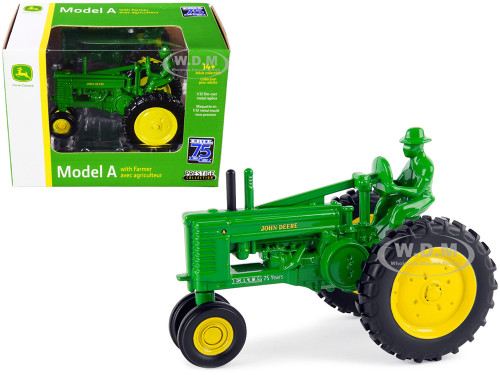


 $36.99


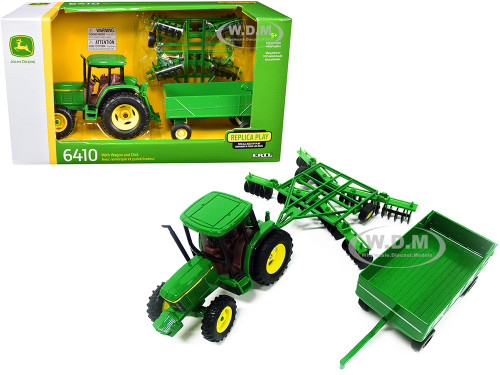
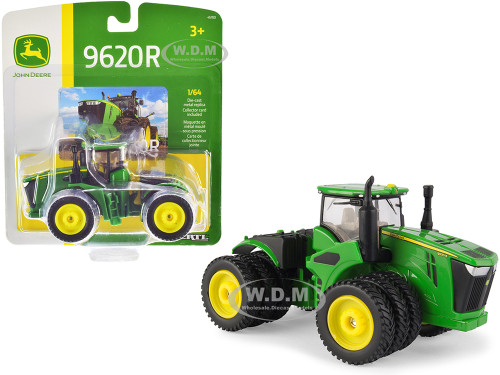
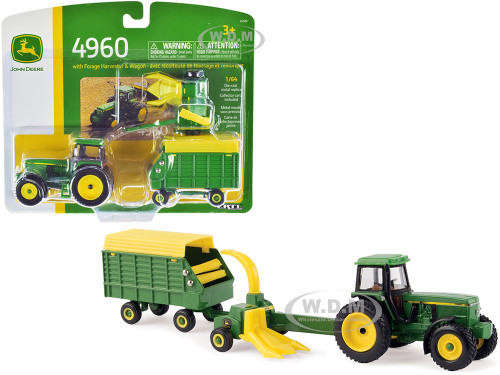







 $55.99
 $60.99

 $67.99