Automotive Diecast Models
The Automotive category at DiecastModelsWholesale.com brings together collectible scale models representing the broad world of automobiles and automotive culture. It is a category for collectors interested in the vehicles, designs, manufacturers, and eras that have shaped the automobile industry.
Automotive diecast models can represent everything from classic and vintage cars to modern performance vehicles, sports cars, muscle cars, sedans, coupes, convertibles, concept cars, and other road-going automobiles. Depending on the available inventory, shoppers may also find models connected to specific manufacturers, automotive eras, movie and television vehicles, or other specialized automotive themes.
For collectors, the appeal goes beyond simply owning a miniature car. A well-made diecast car model can preserve the appearance of a particular vehicle at a specific point in automotive history, including its body design, wheels, trim, interior, colors, badges, and other identifying details.
What Is the Automotive Industry?
The automotive industry encompasses the design, development, manufacture, marketing, sale, and servicing of motor vehicles. Although the automobile began as a relatively specialized form of transportation, mass production transformed it into an important part of everyday life and modern industry.
The Smithsonian's automobile collection illustrates this development through vehicles ranging from early steam- and gasoline-powered automobiles to mass-produced cars and later automotive milestones. Its collection includes examples from the 1890s onward, reflecting the diversity of early automobile development.
Today, the automotive world includes traditional gasoline-powered vehicles alongside hybrids, battery-electric vehicles, performance cars, commercial vehicles, and increasingly computer-controlled transportation technology. For diecast collectors, this continuing evolution creates an enormous range of subjects to collect.
A Brief History of the Automobile
The history of the automobile did not begin with a single manufacturer or a single type of engine. During the late 19th and early 20th centuries, inventors and manufacturers experimented with steam, electric, and gasoline-powered automobiles. The Smithsonian's collection includes examples of each, demonstrating how varied the early automotive industry was.
Early automobile manufacturing was highly fragmented. During the 1900s and 1910s, hundreds of companies produced automobiles, often in relatively small quantities. Many of those manufacturers eventually disappeared as the industry moved toward larger-scale production.
The Ford Model T and Mass Production
One of the most important changes in automotive history was the development of mass-production techniques.
Ford introduced the Model T in 1908, and the company later incorporated the moving assembly line into its manufacturing process. The combination of standardized production, higher output, and lower costs helped make automobile ownership accessible to a much larger portion of the population. The Model T remained in production from 1908 through 1927, with more than 15 million produced.
The Model T is therefore an important subject for automotive collectors. A scale model of the car represents not only an early automobile but also a major turning point in manufacturing and personal transportation.
The Expansion of Automotive Design
During the 1920s and 1930s, automobile manufacturers increasingly competed through styling, engineering, features, and brand identity. General Motors, for example, developed a strategy offering vehicles across different price levels and introduced annual model changes, helping establish new approaches to automotive marketing and product development.
Over the following decades, automobiles continued to evolve through changes in body construction, engines, transmissions, safety equipment, aerodynamics, suspension design, and interior technology.
For diecast collectors, every era brings a different visual language.
Automotive Diecast Models by Vehicle Type
One of the advantages of the Automotive category is the variety of vehicles it can encompass.
Classic and Vintage Cars
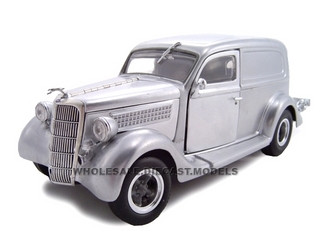
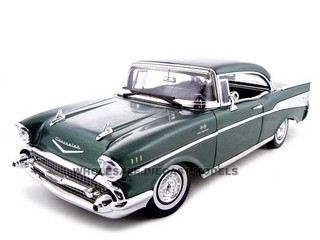
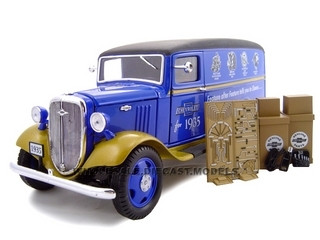
Classic and vintage automobiles provide a direct connection to earlier periods of automotive history. Their distinctive grilles, headlights, fenders, chrome trim, and body shapes make them immediately recognizable.
Collectors may focus on a particular decade or combine models from different periods to demonstrate how automotive styling evolved.
Muscle Cars
American muscle cars are another major collecting theme. These cars are associated with powerful engines, performance-oriented specifications, distinctive body styles, and some of the most recognizable automotive designs of the 1960s and 1970s.
Popular subjects can include classic Ford Mustang, Chevrolet Camaro, Chevrolet Chevelle, Dodge Charger, Dodge Challenger, Plymouth Barracuda, and other performance-oriented vehicles, depending on available models.
A muscle car collection can be organized by manufacturer, model, generation, engine specification, year, or racing and street configuration.
Sports Cars and Performance Cars
Sports cars emphasize performance, handling, styling, or some combination of the three. Automotive diecast collectors may find models representing both historic sports cars and modern performance vehicles.
European, American, and Japanese manufacturers have all contributed important sports cars to automotive history, giving collectors a wide range of designs to explore.
Sedans, Coupes and Convertibles
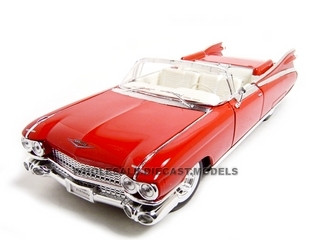
Not every important automobile is a high-performance car. Sedans, coupes, station wagons, convertibles, and family cars have played a major role in automotive history and can make equally interesting collectibles.
These vehicles can be particularly useful for collectors interested in recreating a specific decade or building a display representing everyday automotive life.
Concept and Experimental Cars
Concept cars provide another fascinating area of automotive collecting. Manufacturers have used concept vehicles to explore future styling, engineering ideas, technologies, and potential production models.
Some concepts remained purely experimental, while others influenced later production vehicles. A diecast model of a concept car can therefore represent an interesting point between automotive design and manufacturing.
Automotive Brands and Manufacturer Collections
Many collectors organize their diecast models around automotive manufacturers.
A manufacturer-based collection allows you to follow the development of a brand over time. For example, a collector might choose several Ford models spanning the Model T era, postwar vehicles, muscle cars, modern performance cars, and contemporary designs.
Other collections might focus on Chevrolet, Dodge, Plymouth, Pontiac, Cadillac, Buick, Volkswagen, Porsche, Ferrari, Lamborghini, BMW, Mercedes-Benz, Toyota, Nissan, Honda, or another manufacturer.
Collecting by manufacturer also makes it easier to compare different models from the same company and see how its design language changed across generations.
Collecting Automotive Diecast by Era
Another approach is to organize models chronologically.
A collection might include:
- Early automobiles from the 1900s and 1910s
- 1920s and 1930s classics
- Prewar and postwar automobiles
- 1950s American cars
- 1960s and 1970s muscle and performance cars
- 1980s and 1990s sports and performance cars
- 2000s modern classics
- Contemporary performance and luxury vehicles
- Modern and emerging automotive technology
This type of collection can become a miniature history of automotive design.
The Smithsonian's automobile collection provides a useful real-world example of this approach, with vehicles representing significant automotive milestones across many decades.
What to Look for in an Automotive Diecast Model
When choosing a collectible car, the vehicle's name is only one part of the story.
Year and Generation
A single automobile name may represent several generations with significantly different designs. Check the model year and generation when that information is provided.
Body Style
Look for the specific configuration represented by the model, such as coupe, sedan, convertible, wagon, fastback, roadster, or pickup.
Trim and Performance Version
Performance models and special editions can differ substantially from their standard counterparts. Details such as wheels, spoilers, badging, bumpers, hood designs, and exhaust systems can identify a particular version.
Color and Livery
For collectors building a particular automotive display, the exterior color can be just as important as the model itself. Special factory colors, racing-inspired liveries, movie graphics, police markings, and other finishes can make otherwise similar vehicles distinct collectibles.
Interior and Exterior Details
Depending on the scale and manufacturer, diecast models can reproduce details such as steering wheels, dashboards, seats, engine compartments, grilles, headlights, wheels, brakes, exhaust systems, and other features.
Automotive Diecast Scales
Scale is one of the most important considerations when building a diecast collection.
Common automotive scales include:
- 1/12 — Large display models with substantial room for detail
- 1/18 — A popular larger collector scale
- 1/24 — A versatile display scale with a broad selection of subjects
- 1/32 — Smaller than 1/24 while retaining useful detail
- 1/43 — Compact and well suited to larger collections
- 1/64 — Small-scale models that make it possible to collect many vehicles in limited space
- 1/87 — Very compact models useful for larger scenes and displays
The actual availability of each scale varies by vehicle, manufacturer, and release.
Collectors who want a consistent display may choose one primary scale, while others intentionally combine scales according to the size and importance of individual subjects.
Building an Automotive Diecast Collection
There is no single way to collect automotive models. The flexibility of the hobby allows collectors to establish a theme that reflects their own interests.
Popular collecting approaches include:
One Manufacturer
Build a collection around one automotive brand and follow its history across decades.
One Model
Collect different generations, body styles, colors, and special versions of a favorite vehicle.
One Era
Focus on a particular period, such as 1950s classics, 1960s muscle cars, 1980s performance cars, or modern sports cars.
Performance Cars
Create a collection centered on muscle cars, sports cars, supercars, or other performance-oriented vehicles.
Automotive History
Select representative automobiles from different decades to create a miniature timeline of automotive design.
Themed Displays
Combine automotive models with related accessories, garages, service stations, roads, buildings, or other display elements to create a larger automotive scene.
Why Collect Automotive Diecast Models?
Automotive diecast models combine automotive history, industrial design, engineering, and collecting in a compact format.
A miniature Ford Model T can represent the early mass-production era. A classic muscle car can capture the styling and performance culture of the 1960s and 1970s. A modern sports car can demonstrate contemporary approaches to aerodynamics and performance. A concept car can represent an experimental vision of what the automobile might become.
That range is what makes automotive diecast collecting so versatile. A collection can be historical, brand-focused, performance-oriented, nostalgic, or simply based on vehicles that a collector finds visually interesting.
Shop Automotive Diecast Models
Whether you are looking for a classic car, muscle car, sports car, luxury automobile, modern performance vehicle, concept car, or a miniature representation of an important automotive milestone, the Automotive category is a place to explore a broad selection of collectible vehicles.
Browse the Automotive category at DiecastModelsWholesale.com to discover available diecast cars and build your collection around the manufacturers, models, eras, body styles, colors, and scales that interest you most.

 $23.99Was $28.99Save 17%
 $23.99Was $28.99Save 17%
 $23.99Was $28.99Save 17%
 $23.99Was $28.99Save 17%
 $46.99Was $54.99Save 14%


 $23.99Was $28.99Save 17%



 $46.99Was $54.99Save 14%
 $46.99Was $54.99Save 14%


 $54.99


 $54.99
 $54.99
 $54.99


 $54.99
 $54.99
 $64.99
 $25.49Was $29.99Save 15%
 $54.99
 $54.99

 $54.99



 $43.99Was $52.99Save 16%