Bus Diecast Models
Explore bus diecast models representing the vehicles that have transported passengers through cities, towns, highways, school districts, tourist destinations, and communities around the world. From classic city buses and vintage coaches to modern transit vehicles and long-distance motor coaches, bus models offer collectors a distinctive category within transportation and diecast collecting.
The Bus category at DiecastModelsWholesale.com features collectible bus scale models and replicas in a variety of designs and scales. Depending on the individual product, shoppers may find city buses, transit buses, school buses, coaches, sightseeing buses, and historic bus designs.
Buses are particularly interesting subjects for collectors because their appearance often reflects the place, era, and service they represent. Route markings, destination signs, operator graphics, body designs, and period-specific details can make two otherwise similar buses look completely different.
A Brief History of the Bus
The history of the bus is closely connected with the development of organized public transportation. Before motor buses became common, horse-drawn omnibuses provided scheduled passenger transportation in growing cities.
The word bus is derived from omnibus, meaning "for all." The Library of Congress notes that early versions of the modern bus appeared in Paris in 1828, initially using horse-drawn carriages. Steam-powered experiments followed, while electrically powered trolley buses appeared later in the 19th century. Internal-combustion motor buses eventually became the basis for the motor coaches widely used today.
Horse-drawn omnibuses were part of a much broader transportation system before the automobile era. The Smithsonian documents omnibuses and horsecars as important elements of American urban transportation, alongside stagecoaches, railroads, automobiles, and other forms of travel.
From Omnibus to Motor Bus
The transition from horse power to mechanical propulsion changed the design and operation of buses. Early experiments included steam-powered vehicles, while electric trolley buses introduced another approach to urban passenger transportation.
Internal-combustion engines eventually became the dominant technology for buses operating independently of overhead electrical wires. As road networks improved and motor vehicles became more practical, buses could serve routes beyond fixed streetcar lines and became an important part of both urban and intercity transportation.
This history provides collectors with a wide range of subjects, from horse-drawn omnibus replicas to streamlined vintage coaches and modern transit buses.
Types of Bus Diecast Models
Bus models can represent many different transportation roles. Depending on the product and manufacturer, collectors may find:
- City and transit buses used for scheduled urban transportation
- School bus models representing dedicated student transportation
- Tour and sightseeing buses associated with travel and tourism
- Motor coaches designed for longer-distance passenger transportation
- Intercity buses connecting cities and regions
- Vintage buses representing earlier generations of public transportation
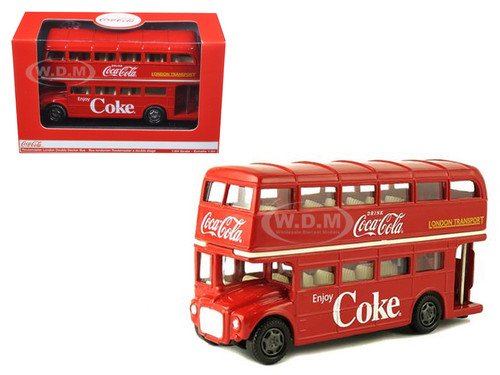
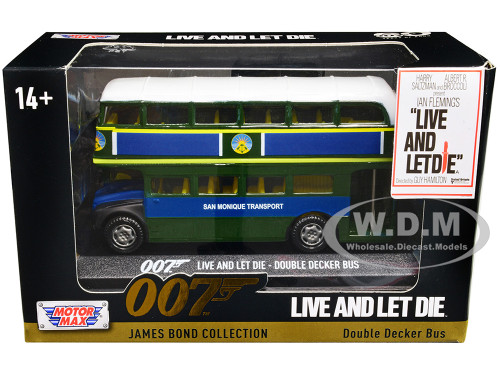
- Double-decker buses associated particularly with urban and sightseeing service
- Trolley bus models representing electrically powered buses
- Special-service and historical buses representing distinctive transportation applications
This variety makes buses suitable for collections organized around transportation history, public transit, particular cities, manufacturers, historical eras, or vehicle scales.
City and Transit Bus Models
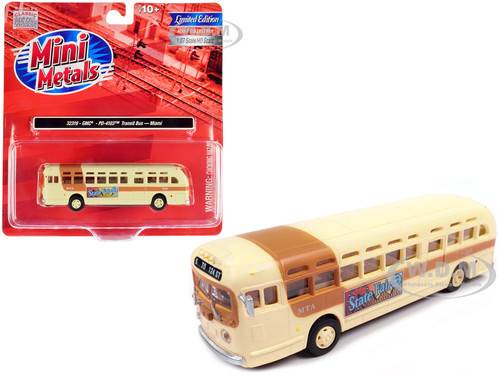
City buses are among the most recognizable forms of public transportation. Their design generally prioritizes frequent passenger boarding, standing room, accessibility, and operation along scheduled urban routes.
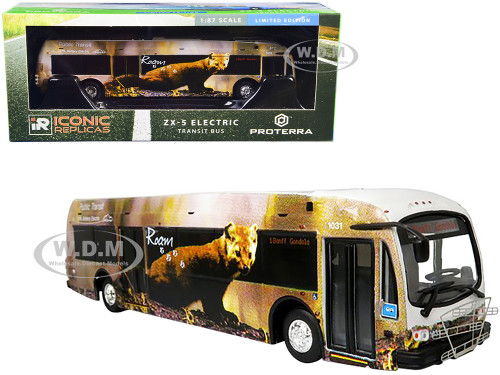
Transit bus models can be especially interesting because their liveries and destination displays often identify the transportation operator or city they represent. A collector can therefore use bus models to recreate a particular transportation era or build a display around buses from different cities and transit systems.
The Smithsonian's transportation archives include extensive material related to bus companies, sightseeing operators, route schedules, and manufacturers, illustrating the importance of buses within the history of passenger transportation.
School Bus Diecast Models
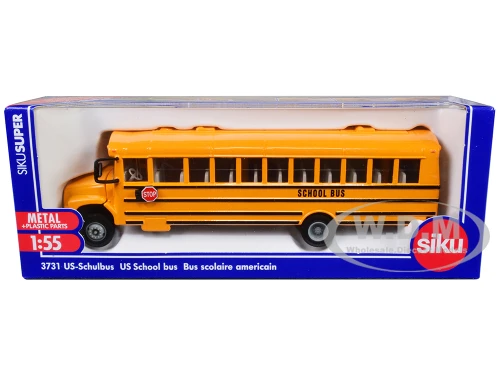
School buses occupy a distinct place in North American transportation history. Their familiar body shapes, safety-focused design, and bright exterior colors make them immediately recognizable.
School bus models can appeal to collectors interested in transportation, commercial vehicles, American automotive history, or nostalgic subjects. They can also complement collections of emergency and public-service vehicles because all represent specialized vehicles designed around specific operational requirements.
For collectors building broader vehicle displays, explore related Vehicle Type categories to find additional specialized and commercial vehicles.
Coach and Intercity Bus Models
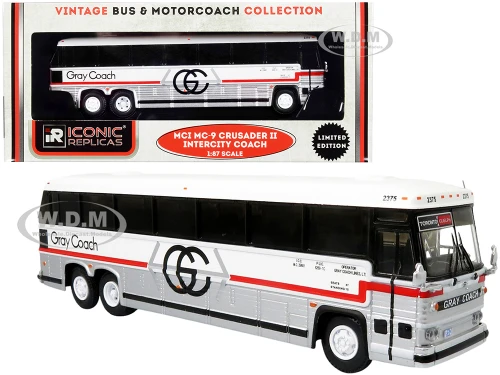
Unlike city buses, motor coaches are generally designed for longer journeys and can place greater emphasis on passenger comfort, luggage capacity, seating, and highway travel.
Historic and modern coach models can therefore look quite different from urban transit buses. Long-distance buses have also played an important role in intercity travel, tourism, and highway transportation.
The Smithsonian's Warshaw Collection includes extensive historical material on interstate bus carriers, including Greyhound and its subsidiaries, as well as sightseeing bus operators and transportation guides.
For collectors, these models can represent both the evolution of coach design and the history of long-distance passenger transportation.
Vintage and Historic Bus Models
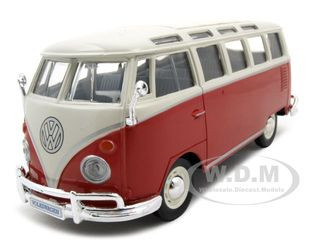
Vintage bus models provide a visual record of changing transportation technology and automotive styling. Early motor buses often shared characteristics with contemporary trucks and commercial vehicles, while later buses developed increasingly specialized body designs.
Historic buses may feature:
- Period-specific body shapes
- Rounded or streamlined styling
- Vintage destination signs
- Historical operator graphics
- Traditional passenger windows
- Older wheel and chassis designs
- Distinctive paint schemes
- Period-appropriate interiors
Some historic buses also served specialized purposes. One example is the Highway Post Office bus, developed to transport and sort mail while traveling along established routes. The Smithsonian's National Postal Museum preserves a 1941 White Motor Company Highway Post Office bus, documenting an unusual intersection of bus transportation and postal history.
Double-Decker and Specialty Buses
Double-decker buses are among the most recognizable bus designs. Their two passenger levels provide a distinctive silhouette and have been used in urban transit and sightseeing applications.
Specialty buses can be particularly appealing to collectors because they represent transportation solutions developed for specific environments or purposes. Sightseeing buses, for example, are associated with tourism and city exploration, while specialized service buses can represent postal, municipal, or other transportation applications.
The Smithsonian's transportation archives specifically document sightseeing buses and companies operating tours of cities and scenic areas.
Bus Models by Manufacturer
Bus collectors may also organize their collections around the original vehicle manufacturer. Depending on the product, diecast bus models can represent manufacturers and body builders from different countries and historical periods.
American bus history includes manufacturers such as White Motor Company, General Motors, Ford, and other commercial-vehicle producers, while international collections can include manufacturers such as Mercedes-Benz, MAN, Volvo, Scania, Neoplan, and others.
The exact manufacturers represented in diecast form depend on the individual model, manufacturer, licensing, and availability. When shopping, check the product specifications to identify both the original bus manufacturer and the company that produced the miniature.
Collectors interested in organizing models by the original vehicle manufacturer can also browse the Vehicle Make category.
Bus Diecast Models and Scale
Scale is an important consideration when choosing a bus model. Buses are physically large vehicles, so even a relatively small-scale replica can make a noticeable addition to a display.
The Bus category may include models in scales such as:
- 1/12 scale – large display replicas with substantial detail
- 1/18 scale – larger bus models suitable for detailed displays
- 1/24 scale – a useful size for displaying buses alongside larger diecast vehicles
- 1/43 scale – a compact scale that works well for transportation collections
Not every bus is available in every scale. Product dimensions, construction, interior detail, moving components, wheels, doors, and other features vary by manufacturer and individual model.
When selecting a bus diecast model, compare its stated scale and dimensions with the rest of your collection. This is particularly important when creating a display containing buses alongside cars, trucks, or other commercial vehicles.
Details to Look For in Bus Models
A bus has a large exterior surface that provides plenty of room for distinctive miniature details. Depending on the model, collectors may find features such as:
- Detailed exterior bodywork
- Passenger windows
- Destination signs
- Route numbers
- Operator or transit graphics
- Exterior mirrors
- Doors
- Wheels and tires
- Interior seating
- Driver's area
- Roof-mounted equipment
- Articulated sections on certain modern transit designs
Livery and markings can be particularly important. A bus model can represent not only a particular vehicle but also a transportation operator, city, route, or historical period.
Collecting Bus Diecast Models
There are several ways to build a bus collection. Some collectors focus on transportation history, while others concentrate on a particular city, operator, manufacturer, country, or scale.
Possible collecting themes include:
Public Transit Collection
Collect city buses and transit vehicles representing different cities, operators, and generations of public transportation.
Historic Bus Collection
Focus on vintage and classic buses to illustrate the evolution of bus design from early motor vehicles through later generations.
Coach Collection
Build a collection around intercity buses, motor coaches, sightseeing vehicles, and long-distance transportation.
School Bus Collection
Collect school bus designs from different eras, manufacturers, or body styles.
Manufacturer Collection
Follow a particular bus manufacturer or commercial-vehicle marque and collect different models representing its history.
Scale Collection
Choose bus models that match the scale of an existing diecast collection, or build a dedicated collection around one scale.
Buses as Part of a Transportation Collection
Buses work well alongside many other types of diecast vehicles. A transportation-themed display can combine buses with cars, trucks, taxis, motorcycles, emergency vehicles, and construction equipment to illustrate the variety of vehicles operating on public roads.
They can also complement collections organized around specific industries. Public transportation, tourism, education, municipal services, and commercial transportation all provide natural themes for bus models.
Collectors interested in other large road vehicles can also explore Truck diecast models and related commercial vehicle categories.
Bus Diecast Models for Collectors and Enthusiasts
Bus models appeal to collectors because they combine transportation history with distinctive vehicle design. A vintage city bus can represent a particular period of urban development, while a modern transit bus can illustrate contemporary approaches to passenger transportation. A school bus or sightseeing coach can provide an entirely different collecting theme.
When selecting a model, consider the type of bus, historical period, original manufacturer, scale, livery, construction, and level of detail. These factors can help determine how well a particular replica fits your collection or display.
Whether you are interested in classic buses, public transportation, school buses, motor coaches, sightseeing vehicles, or historic transportation, bus diecast models provide an opportunity to collect miniature representations of vehicles that have played an important role in everyday travel.
Explore Bus Diecast Models
Browse the Bus category at DiecastModelsWholesale.com to explore available bus diecast models and scale replicas in sizes including 1/12, 1/18, 1/24, and 1/43, depending on the individual product. Compare bus types, scales, designs, manufacturers, and historical subjects to find models that fit your transportation collection or display.

 $29.99Was $34.99Save 14%




 $29.99
 $29.99