Lotus Diecast Model Cars
Lotus is one of Britain's most distinctive automotive marques, celebrated for lightweight sports cars, innovative engineering, and a long history of competition success. Founded by engineer Colin Chapman, Lotus became known for a philosophy that emphasized reducing weight, improving handling, and making performance an integral part of the driving experience. From iconic road cars to championship-winning racing machines, the Lotus name holds a special place in automotive history.
The Lotus category at Diecast Models Wholesale is for collectors, automotive enthusiasts, and gift shoppers looking for Lotus diecast model cars and miniature replicas. Depending on current product availability, the category may include classic sports cars, modern performance vehicles, and models inspired by Lotus's motorsport heritage. Collectors can explore different vehicle designs, body styles, and scales to find models that suit their interests and display space.
Lotus diecast cars appeal to a wide range of enthusiasts. Some collectors favor the brand's elegant British sports cars, while others are drawn to its dramatic supercars, distinctive racing designs, or engineering milestones. Whether you are building a collection of British performance cars, gathering models from automotive history, or looking for a miniature version of a favorite Lotus, these collectibles offer a way to appreciate the marque's unique character.
The History of Lotus
Colin Chapman and the Origins of Lotus
Lotus was established by Colin Chapman in England in the early 1950s. Chapman was an engineer and racing enthusiast whose approach to vehicle design helped shape the company's identity. He believed that a well-designed car did not need excessive weight to deliver strong performance. Instead, careful engineering, responsive handling, and efficient construction could make a car competitive and enjoyable to drive.
This philosophy influenced both Lotus road cars and its racing projects. Lotus became associated with compact sports cars, agile handling, and technical experimentation. The brand's engineering approach also helped establish a recognizable design identity that continues to interest car enthusiasts today.
For diecast collectors, Lotus's history provides several avenues for collecting. Early sports cars offer a glimpse into the marque's origins, while later road cars demonstrate how its styling and performance philosophy evolved. Racing models provide another dimension, reflecting the technical innovations that helped make Lotus an important name in motorsport.
Lotus in Formula 1 and Motorsport
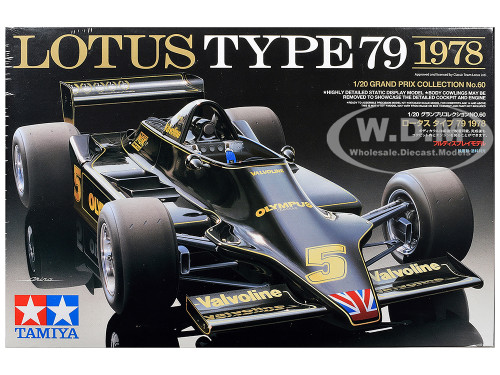
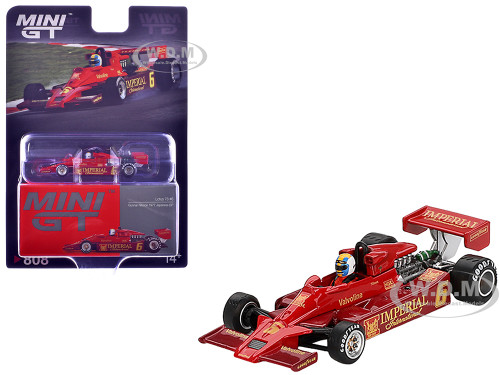
Lotus became a major force in international motorsport, particularly in Formula 1. The company helped introduce important technical developments in racing-car design, including innovations in chassis construction and aerodynamics. Lotus Formula 1 cars competed at the highest level of the sport and became associated with several legendary drivers and championship campaigns.
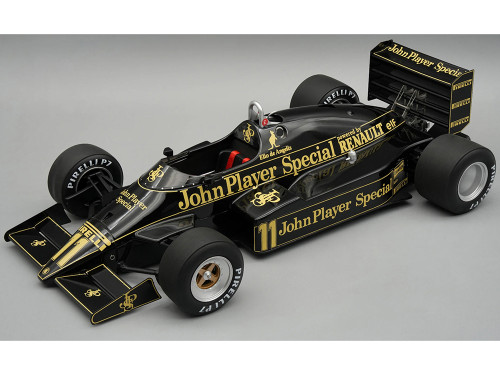
The black-and-gold Lotus racing livery is especially recognizable among motorsport fans, although the marque competed in a variety of colors and team configurations throughout its history. Racing numbers, sponsor markings, and individual car designs can make particular replicas appealing to collectors who follow specific seasons or drivers.
Lotus's competition history also extends beyond Formula 1. Its name is associated with sports car racing and other forms of circuit competition. These varied racing programs help explain why Lotus models can appeal to both road-car collectors and enthusiasts focused on motorsport.
From Classic Sports Cars to Modern Performance Vehicles
Lotus's road-car history includes small, lightweight sports cars as well as more powerful and technologically advanced models. The company's design language has evolved over time, but responsive handling and a focus on the driving experience have remained central themes.
Early models helped establish Lotus as a specialist sports-car manufacturer. Later vehicles brought more dramatic styling, improved performance, and new approaches to construction. Modern Lotus cars have continued this evolution with advanced materials, contemporary powertrains, and designs aimed at combining performance with distinctive visual appeal.
A Lotus diecast collection can reflect this progression, allowing collectors to display vehicles from different periods and compare the changes in body shape, proportions, and engineering priorities.
Iconic Lotus Cars for Diecast Collectors
Lotus has produced a variety of memorable road cars and racing vehicles. The following models are useful reference points when exploring Lotus diecast model cars. Availability varies, so not every model listed will necessarily be offered in the current category.
Lotus Seven
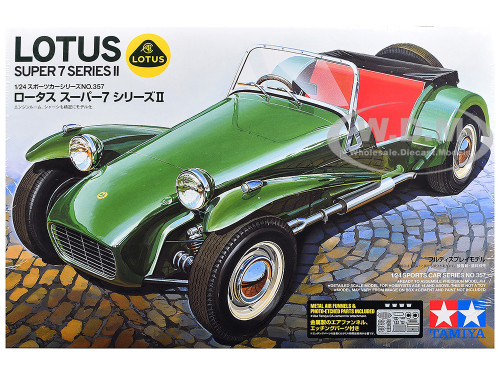
The Lotus Seven is one of the clearest expressions of Colin Chapman's lightweight engineering philosophy. Introduced in the late 1950s, it featured a simple, open design with minimal bodywork and a focus on low weight and responsive handling.
Its exposed wheels, compact proportions, and straightforward construction distinguish it from more conventional sports cars. The Seven's influence continued through later developments and related cars produced under the Caterham name.
For collectors, a Lotus Seven model offers something different from the enclosed sports cars and supercars typically found in a diecast collection. Its distinctive appearance makes it an interesting addition to a display of British automotive classics.
Lotus Elan
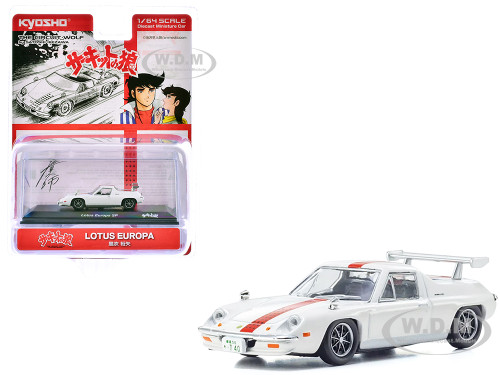
The Lotus Elan became one of the marque's defining road cars. Introduced in the 1960s, it combined compact dimensions with responsive handling and a lightweight design. Its sleek bodywork and balanced proportions helped establish it as an influential British sports car.
The Elan is also important in the wider history of sports-car engineering, demonstrating how a relatively small vehicle could deliver an engaging driving experience through careful attention to weight and chassis design.
A Lotus Elan diecast model can complement other classic British cars, particularly for collectors interested in the evolution of sports-car styling during the 1960s and 1970s.
Lotus Esprit
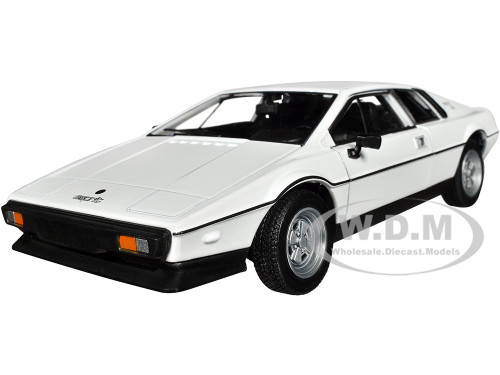
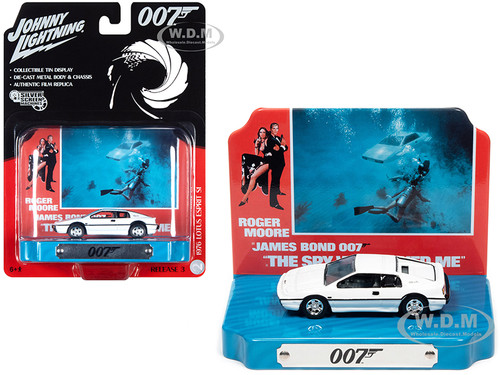
The Lotus Esprit is among the company's most recognizable road cars. Its low, angular profile and wedge-shaped styling made it a distinctive presence from its introduction in the 1970s through later generations.
Over its production history, the Esprit evolved from an angular sports car into a more powerful and refined performance vehicle. Different generations offer collectors opportunities to compare changes in body design, lighting, wheel styles, and overall proportions.
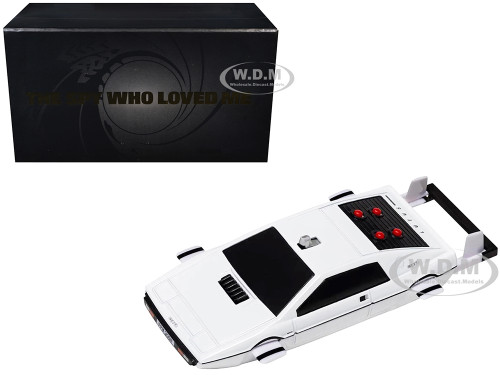
The Esprit also gained broader popular recognition through its appearances in James Bond films. This connection makes certain Esprit replicas appealing not only to Lotus enthusiasts but also to movie-car collectors.
Lotus Elise
The Lotus Elise became known for its lightweight construction, compact dimensions, and emphasis on driver involvement. Introduced in the 1990s, it reflected the company's long-standing belief that a well-balanced, relatively light sports car could provide an engaging performance experience without relying solely on high engine output.
Its small footprint, rounded styling, and minimalist approach distinguish it from larger grand tourers and supercars. For collectors, an Elise model represents a modern interpretation of the traditional Lotus sports-car philosophy.
Lotus Exige
The Lotus Exige developed the Elise concept into a more focused performance car. With more aggressive styling and track-oriented characteristics, the Exige appealed to drivers looking for a compact sports car designed with circuit performance in mind.
Its prominent aerodynamic features and purposeful appearance make it visually distinct from many other road-car models. A Lotus Exige diecast replica can fit well in a collection of modern performance cars or lightweight sports cars.
Lotus Evora
The Lotus Evora expanded the marque's sports-car range with a more substantial design and a greater emphasis on refinement while retaining a performance-oriented character. Its sculpted bodywork, mid-engine layout, and distinctive proportions set it apart from the smaller Elise and Exige.
For collectors, the Evora helps illustrate how Lotus broadened its road-car lineup while maintaining its identity as a specialist performance manufacturer.
Lotus Emira
The Lotus Emira represents a modern chapter in the company's sports-car history. Its contemporary styling features sculpted surfaces, distinctive lighting, and carefully shaped aerodynamic details.
Collectors interested in modern British performance cars may find the Emira an appealing addition to a Lotus collection. Its design also provides an opportunity to compare the styling of current Lotus road cars with the angular lines of earlier models such as the Esprit.
Lotus Evija
The Lotus Evija is an all-electric hypercar developed as a showcase for high-performance electric propulsion and advanced vehicle engineering. Its dramatic bodywork, sculpted aerodynamic surfaces, and futuristic appearance distinguish it from traditional Lotus sports cars.
For collectors, an Evija replica can represent the marque's movement toward electrification and the changing direction of high-performance automotive design.
Lotus Diecast Racing Cars
Road cars are only one part of the Lotus story. Racing has been central to the marque's identity, and Lotus competition cars remain highly recognizable among motorsport enthusiasts.
Formula 1 Models
Lotus Formula 1 cars span several generations of racing technology. Early designs, classic championship-winning cars, and later single-seaters show how racing engineering changed through developments in chassis construction, aerodynamics, suspension, and powertrains.
When selecting a Lotus Formula 1 diecast model, consider the specific car, driver, racing season, and livery. Cars from different years can have significantly different shapes and technical features, even when they share the same team name.
Classic Racing Designs
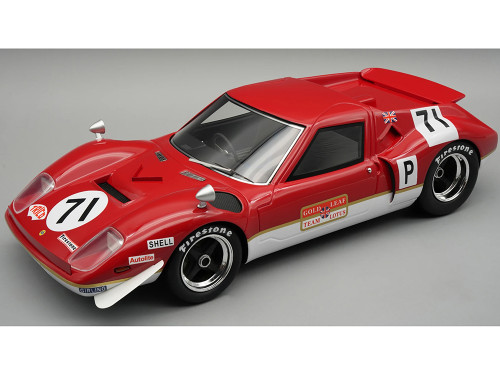
Older Lotus competition cars often have a different visual character from modern Formula 1 machines. Their proportions, exposed mechanical features, and period-specific racing colors can make them especially appealing to collectors of historic motorsport.
A collection focused on classic Lotus racing cars can be organized by decade, driver, championship, or technical development. Combining racing models with corresponding road cars can also provide a broader view of the marque's history.
Choosing the Right Lotus Diecast Model
When comparing Lotus diecast model cars, consider the vehicle, scale, finish, and intended display.
Select a Model That Matches Your Interests
Your collecting preferences can help narrow the choices:
-
Classic British sports cars: Consider models representing the Seven, Elan, or early Esprit.
-
Modern lightweight performance cars: Look for Elise and Exige models when available.
-
Contemporary Lotus design: Explore replicas of the Emira or Evija, depending on current availability.
-
Movie-car collectibles: The Lotus Esprit may appeal to fans of its James Bond film appearances.
-
Motorsport history: Look for Lotus Formula 1 cars and other competition models associated with particular drivers or racing eras.
Checking the exact model name is important because different generations of a Lotus vehicle can vary substantially in design and detail.
Understand Scale and Model Size
Scale determines how large a miniature is relative to the full-size car. Common collectible car scales include 1:12, 1:18, 1:24, and 1:43, although availability depends on the particular model and manufacturer.
A 1:12 or 1:18 model generally offers a larger display presence, while 1:24 and 1:43 models can be more convenient for collections with limited shelf space. Smaller models also make it easier to display several vehicles together.
For a consistent collection, consider choosing a scale that works with your existing models. Before ordering, check the listed scale and product dimensions when available.
Check the Details and Finish
The level of detail varies between manufacturers and individual releases. Depending on the product, features may include carefully reproduced bodywork, painted trim, wheel designs, interior details, and manufacturer-specific markings.
Racing models may also include event graphics, sponsor liveries, and racing numbers. If you are collecting a specific version of a Lotus, compare the product description with the vehicle you want to represent.
Diecast models are generally intended for display and collecting, and some have delicate components. Review the product information to understand the construction and included accessories before purchasing.
Displaying and Caring for Lotus Model Cars
A well-planned display helps highlight the differences between Lotus vehicles from different periods. You might arrange classic models alongside modern sports cars, group road cars separately from racing vehicles, or organize your collection chronologically.
Keep models away from direct sunlight and excessive humidity to help preserve their finish. Use a soft brush or cloth to remove dust, taking care around mirrors, wings, antennas, and other delicate details. Place each model on a stable shelf or in a display cabinet where it is protected from accidental knocks.
If you collect larger-scale Lotus replicas, allow sufficient space to appreciate their proportions and exterior details. Retaining the original packaging can also help protect models during storage or when reorganizing your display.
Explore Lotus Diecast Models at Diecast Models Wholesale
From the classic Lotus Seven and elegant Elan to the iconic Esprit, lightweight Elise, and modern Emira, Lotus offers a varied history of distinctive sports cars. Its motorsport legacy adds another dimension for collectors interested in Formula 1 and historic racing.
Browse the Lotus category at Diecast Models Wholesale to explore available Lotus diecast model cars and find a miniature that fits your interests. Check each product's scale, model designation, finish, and features to choose the right addition to your collection.



 $31.99Was $35.99Save 11%


 $289.99
 $289.99
 $289.99
 $289.99
 $289.99
 $289.99


 $289.99
 $289.99
 $289.99


 $279.99





 $129.99
 $129.99
 $189.99

