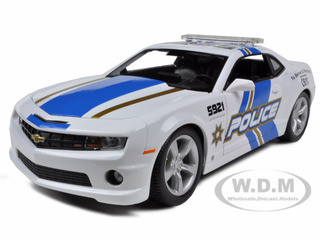
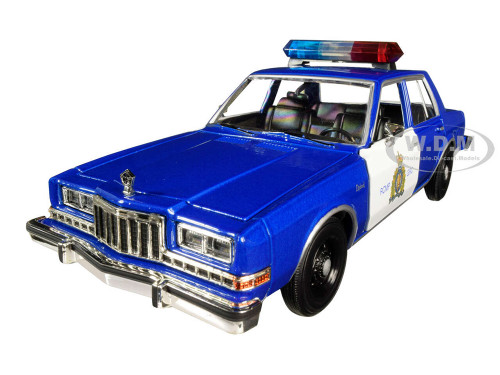
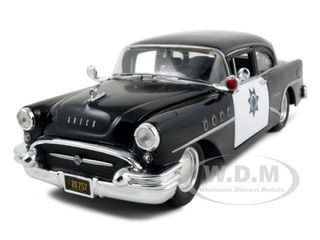
Police Diecast Models
The Police category at DiecastModelsWholesale.com features collectible police cars, law-enforcement vehicles, patrol vehicles, police SUVs, trucks, motorcycles, and other emergency-service models. These diecast replicas represent a wide range of vehicle styles, agencies, eras, and applications, making police diecast models a versatile subject for both automotive collectors and emergency-vehicle enthusiasts.
Police vehicles have changed dramatically over the decades. Early patrol vehicles were based on ordinary passenger cars, while later departments adopted purpose-built police packages, performance sedans, SUVs, pickup trucks, and specialized service vehicles. That evolution gives collectors an opportunity to build displays that reflect different periods of automotive and law-enforcement history.
Depending on the individual product, shoppers may find classic police cars, modern police cruisers, highway patrol vehicles, sheriff vehicles, police SUVs, police trucks, motorcycles, and movie or television-inspired law-enforcement vehicles. Product availability, markings, agencies, scales, and equipment vary by model.
The History of Police Vehicles
The connection between automobiles and police work developed as motor vehicles became more common during the early 20th century. Before automobiles became practical patrol vehicles, police departments relied on walking patrols, bicycles, horses, wagons, and other forms of transportation. The Library of Congress preserves historical material documenting police patrol wagons from the late 19th century, providing a glimpse of law-enforcement transportation before the widespread adoption of automobiles.
As automobiles became more capable and widespread, police departments began incorporating them into patrol operations. Ford's historical archive, for example, documents police use of Ford vehicles as early as 1915, when the Oakland, California Police Force standardized its light-car fleet around Ford models.
The development of dedicated police packages eventually made the patrol car a distinct type of vehicle rather than simply a standard automobile with police equipment added.
Purpose-Built Police Cars
Ford introduced what it describes as its first purpose-built Police Package vehicle in 1950, beginning a long history of engineering vehicles specifically for law-enforcement use. The package emphasized durability, performance, safety, and suitability for additional police equipment.
This period is particularly interesting for diecast collectors because many classic police cars were recognizable versions of ordinary production automobiles. The difference could be found in the vehicle's engine, suspension, brakes, cooling system, electrical equipment, wheels, communications equipment, and police-specific exterior markings.
As a result, a police diecast model can represent both a specific law-enforcement vehicle and an important automobile from its era.
Classic Police Car Diecast Models
Classic police cars are popular subjects for collectors because American automobile design changed so visibly from decade to decade.
1950s Police Cars
The 1950s introduced increasingly powerful full-size American cars with substantial chrome, large grilles, distinctive tailfins, and dramatic body designs. Police versions of these vehicles provide an interesting combination of classic-car styling and law-enforcement equipment.
Ford's historical timeline records increasingly specialized police engines during the decade, including the use of the Interceptor name for police-oriented powertrains.
A 1950s police diecast can therefore fit naturally into both a classic American car collection and a police-vehicle collection.
1960s Police Cars
The 1960s brought larger engines, changing body designs, and increasingly recognizable police packages. Ford records a 1961 study showing that Ford models represented 58 percent of police vehicles in use in the 50 largest U.S. cities at that time.
Collectors can use 1960s police models to represent an important period when the traditional full-size American sedan became strongly associated with the image of the police cruiser.
1970s Police Cars
The 1970s produced large sedans, station wagons, and other vehicles adapted for police use. Changing automotive regulations and fuel considerations gradually influenced vehicle design, but many police departments continued to rely on large, rear-wheel-drive vehicles.
These models can be especially useful in 1970s automotive dioramas, historical displays, and collections focused on vintage police vehicles.
Police Interceptor and Crown Victoria Models
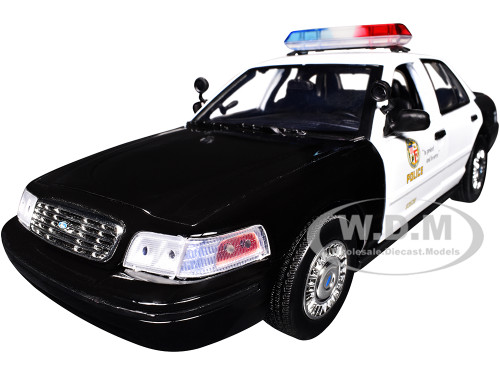
The Ford Crown Victoria Police Interceptor is one of the most recognizable modern American police vehicles and has become an important subject for diecast collectors.
Ford's history records the introduction of the LTD Crown Victoria with a police package in 1983. The Crown Victoria became its own model in 1992, and the Police Interceptor version subsequently became closely associated with police fleets throughout the United States and Canada. Ford retired the Crown Victoria Police Interceptor in 2012 as the company transitioned to newer Police Interceptor models.
A Crown Victoria police model can represent a particularly recognizable period in American law-enforcement vehicle history.
For collectors, it can also bridge two categories: classic police cruisers and modern police vehicles.
Police SUVs and Special Service Vehicles
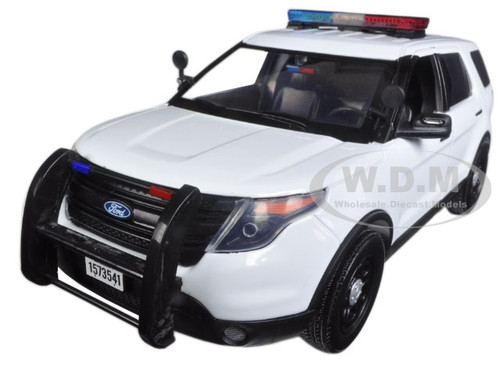
The modern police fleet is considerably more diverse than the traditional sedan-based patrol fleet. SUVs and pickup trucks are now used for patrol, special service, transportation, off-road duties, and other applications.
Ford's current police lineup, for example, includes the Police Interceptor Utility, F-150 Police Responder, Expedition Special Service Vehicle, Transit Prisoner Transport Vehicle, and other specialized vehicles.
This change is reflected in contemporary police diecast collecting. A modern police SUV or pickup can provide a useful contrast with older sedan-based patrol cars and illustrates how the appearance of police fleets has changed.
Police Cars by Type
A police collection does not have to be limited to one type of patrol sedan. Collectors can organize models by their intended role or vehicle type.
Police Patrol Cars
Traditional patrol cars are the foundation of many police vehicle collections. These include sedans and other passenger vehicles equipped for routine patrol and traffic enforcement.
Highway Patrol Cars
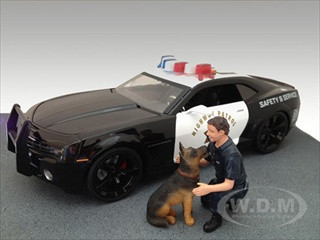
Highway patrol diecast models often represent performance-oriented vehicles designed for extended road use. State highway patrol markings can also make a model particularly distinctive because of the different graphics, colors, and equipment used by individual agencies.
Police SUVs
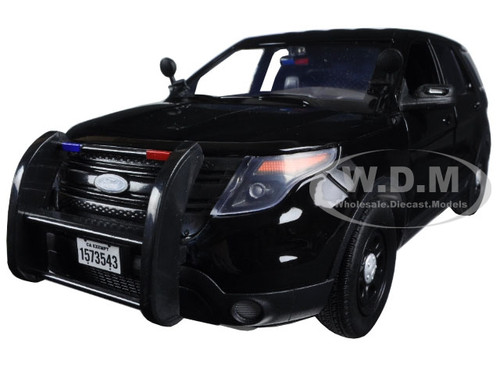
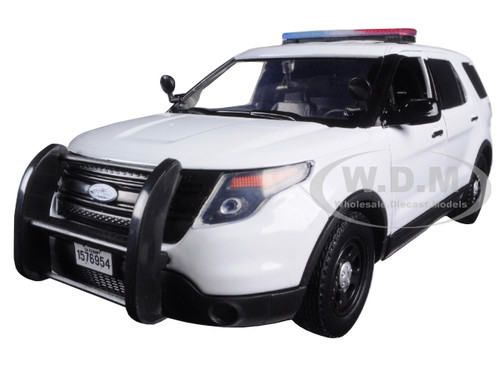
Modern police SUV models reflect the growing use of utility vehicles for patrol and specialized service. Their larger cargo areas and higher seating position can make them visually very different from traditional police sedans.
Police Pickup Trucks
Police departments also use pickup trucks for specialized duties, including situations where additional cargo capacity or off-road capability is useful. Ford's police history includes the F-150 Police Responder as a pursuit-rated pickup and the F-150 Lightning Pro Special Service Vehicle as a later electric police-oriented truck.
Police Motorcycles
Police motorcycles provide another distinct branch of police vehicle collecting. Their compact size and recognizable emergency equipment make them useful additions to police dioramas and larger emergency-vehicle displays.
Police Vans and Transport Vehicles
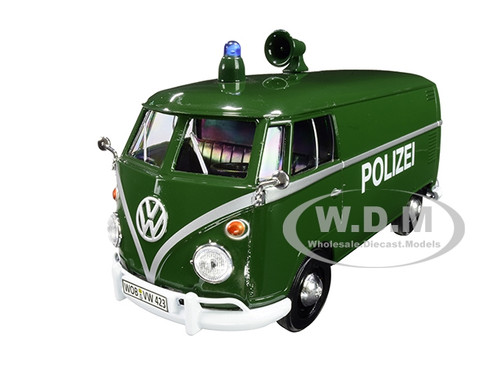
Vans and other specialized vehicles can represent prisoner transportation, command functions, equipment transportation, or other support roles. Modern police fleets can therefore include considerably more than patrol cars.
Police Vehicles by Agency
Another interesting way to collect police diecast models is by agency type.
City Police Departments
Municipal police vehicles can feature distinctive department names, badges, graphics, and fleet markings. Collectors interested in particular cities may look for models representing specific departments.
State Police and Highway Patrol
State police and highway patrol vehicles are particularly recognizable subjects. Their graphics, vehicle choices, and equipment can differ considerably from city police fleets.
Sheriff's Departments
Sheriff vehicles provide another important category of American law-enforcement models. Depending on the product, a diecast model may represent a sheriff's patrol car, SUV, truck, or another specialized vehicle.
Federal and Specialized Agencies
Some collectible police vehicles represent federal or specialized law-enforcement agencies. Because markings and equipment can vary substantially, the individual product description is the best reference for identifying the agency represented by a particular model.
Police Diecast Models and Vehicle Equipment
Part of the appeal of police diecast models comes from the equipment that distinguishes them from ordinary production vehicles.
Depending on the model, collectors may find details such as:
- Roof-mounted emergency light bars
- Grille and bumper warning lights
- Push bars
- Police graphics and agency markings
- Spotlights
- Antennas
- Police wheels
- Heavy-duty bumpers
- Specialized interiors
- Partitions
- Equipment consoles
- Police-specific mirrors and exterior details
Not every model includes all of these features. Equipment and markings depend on the vehicle being represented, the manufacturer, and the scale.
Modern police vehicles can also be substantially different beneath the surface. Ford describes current Police Interceptor vehicles as purpose-built platforms incorporating specialized suspension, steering, braking, electrical, and durability features for law-enforcement applications.
Police Diecast Models in Different Eras
Collectors interested in automotive history can build a chronological police collection.
1950s
Large American sedans, extensive chrome, and early purpose-built police packages.
1960s
Full-size patrol cars combined classic American styling with increasingly powerful police-oriented engines.
1970s
Large sedans and changing automotive technology defined much of the police fleet.
1980s
The rise of vehicles such as the Ford LTD Crown Victoria and specialized applications such as the California Highway Patrol's Mustang patrol model added variety. Ford records the introduction of a Mustang patrol model in 1982, with the California Highway Patrol purchasing 400.
1990s and 2000s
Vehicles such as the Crown Victoria Police Interceptor became strongly associated with American police fleets.
2010s and 2020s
Police fleets increasingly incorporated SUVs, crossovers, pickup trucks, hybrid powertrains, and other modern vehicle formats. Ford's police history documents the transition from the Crown Victoria to Police Interceptor sedans and SUVs beginning in the early 2010s.
Police Diecast Models by Scale
Scale is an important consideration when building a police vehicle collection.
1/18 Police Models
1/18 scale police cars offer a large display format with room for detailed bodywork, emergency equipment, interiors, wheels, and other features. They work well as individual display pieces or centerpieces in a collection.
1/24 Police Models
1/24 police diecast models provide a practical combination of size and detail. This scale can work particularly well when police vehicles are displayed alongside other American cars.
1/32 Police Models
1/32 police models provide a smaller footprint while retaining a recognizable level of vehicle detail. They can be useful for collections with limited display space.
1/43 Police Models
1/43 police cars are well suited to collectors building chronological or agency-focused displays with many vehicles.
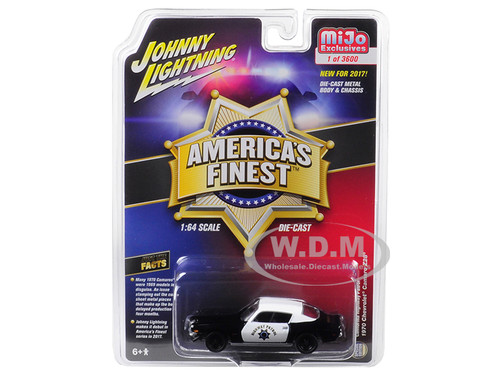
1/64 Police Models
Smaller-scale police cars can make it possible to collect numerous departments, vehicle types, generations, and liveries without requiring a large display area.
Because scales and construction vary by manufacturer, always check the individual product listing for the confirmed scale and specifications.
Choosing a Police Diecast Model
When selecting a police model, consider the aspects that matter most to your collection:
- Vehicle: sedan, SUV, truck, motorcycle, van, or specialized vehicle
- Era: classic, vintage, modern, or contemporary
- Agency: city police, sheriff, state police, highway patrol, or specialized agency
- Vehicle generation: a specific production year or model generation
- Markings: department graphics, badges, lettering, and color scheme
- Equipment: light bars, push bars, spotlights, antennas, and other details
- Scale: match the model to your existing collection
- Manufacturer: compare construction and detailing between individual products
- Theme: historical display, emergency-vehicle collection, diorama, movie vehicle, or general automotive collection
If authenticity is important to your collection, pay particular attention to the exact vehicle year and agency represented rather than relying only on the general term "police car."
Police Cars in Movies and Television
Police vehicles have also become familiar through movies and television, making police diecast models relevant to pop-culture collections.
A recognizable police cruiser can represent a particular production, fictional department, or period of automotive design. Collectors interested in movie and TV vehicles may therefore want to compare the Police category with DMW's broader Movies & TV Series collection when looking for fictional or screen-used vehicle subjects.
The distinction between a historically accurate police vehicle and a fictional movie car is important. A model may use authentic police-style equipment while representing a fictional department or character, so the product description should be checked for the specific subject.
Building a Police Vehicle Collection
There are several ways to build a police diecast collection without limiting yourself to one manufacturer or decade.
A chronological collection can show how police vehicles evolved from classic full-size sedans to modern SUVs.
An agency-focused collection can concentrate on city police, state police, sheriff vehicles, or highway patrol.
A vehicle-focused collection can feature only police Mustangs, Crown Victorias, SUVs, motorcycles, or pickup trucks.
A scale-focused collection keeps every model at the same scale for a consistent display.
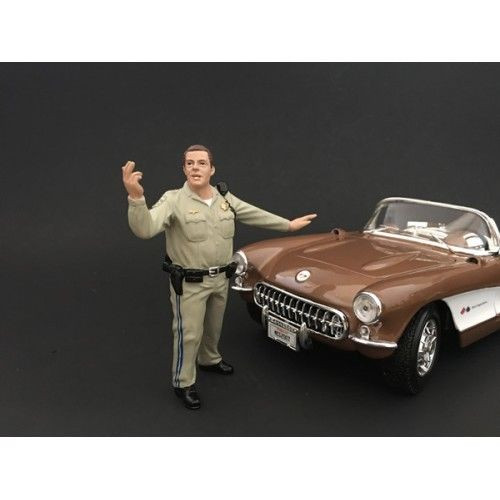
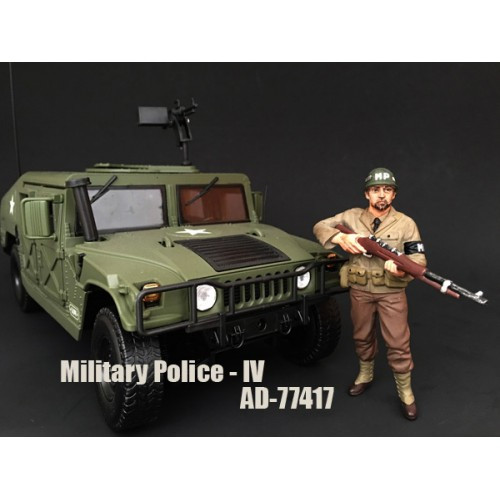
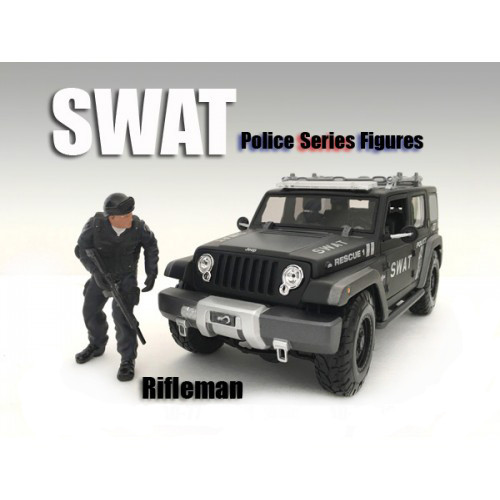
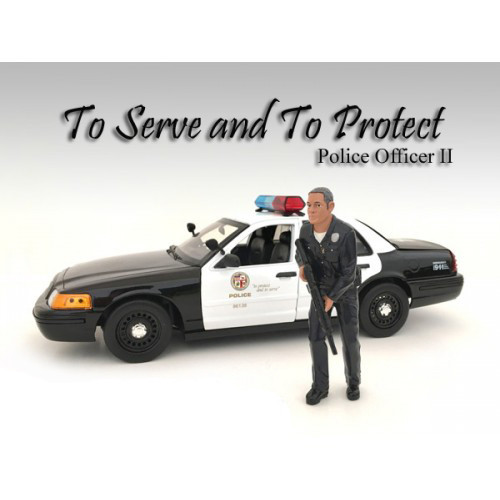
A diorama collection can combine police cars with other emergency vehicles, buildings, streets, signs, figures, and accessories to create a more complete scene.
The Police category can also complement DMW's Fire & Rescue category for collectors building broader emergency-service displays.
Shop Police Diecast Models
Explore the Police category at DiecastModelsWholesale.com to find collectible police cars, patrol vehicles, highway patrol models, police SUVs, trucks, motorcycles, and other law-enforcement-themed diecast vehicles. Compare vehicle types, eras, agencies, markings, scales, and individual details to find police models that fit your collection or display.







 $204.99


 $18.99
 $9.99
$9.99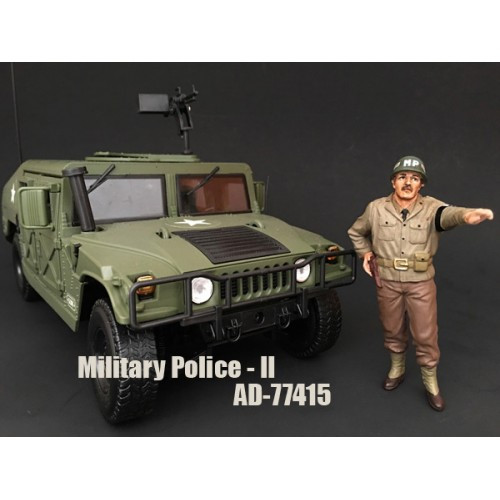 $9.99
$9.99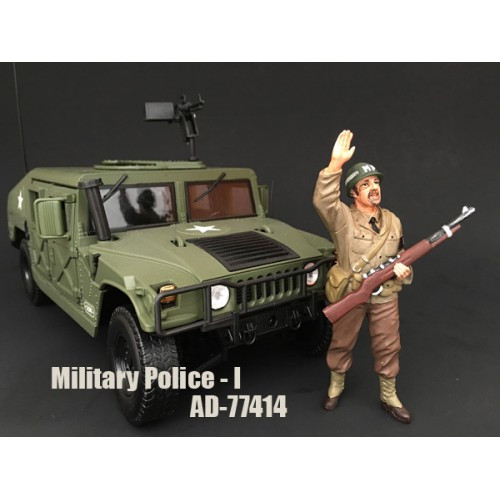 $9.99
$9.99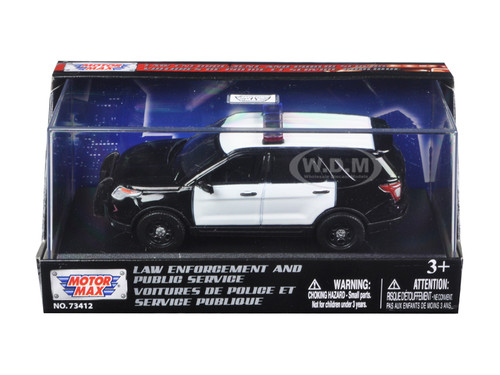

 $9.99
$9.99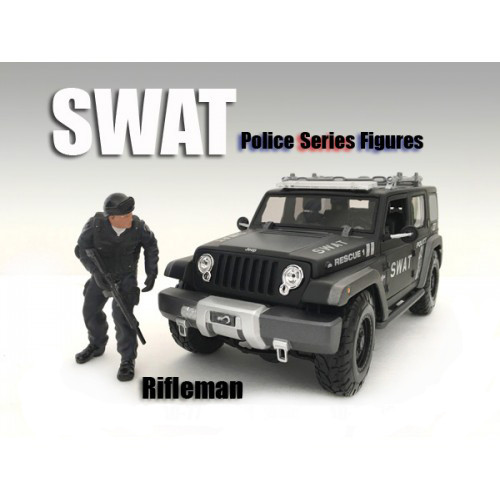 $7.99
$7.99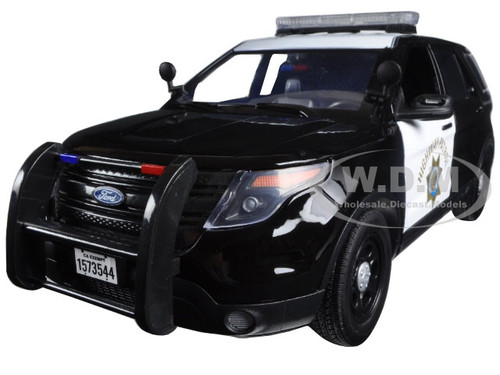


 $9.99
$9.99


 $6.99
$6.99


 $7.99
$7.99 $9.99
$9.99