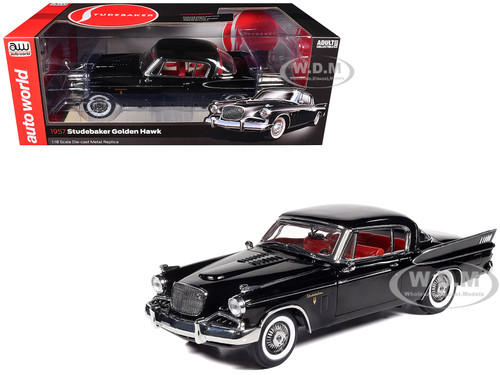
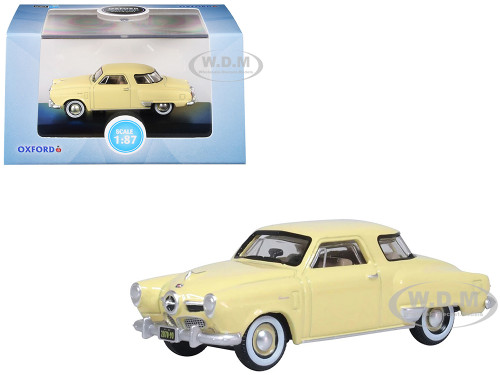
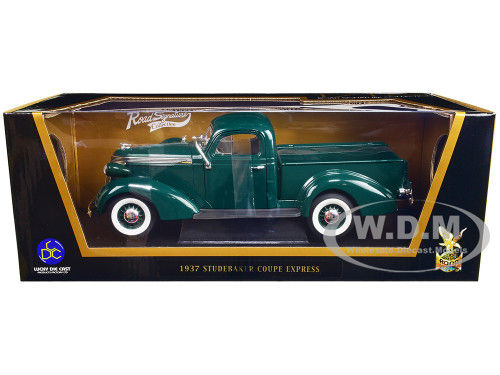
Studebaker is a memorable name in American automotive history, recognized for distinctive styling, innovative engineering, and a legacy that spans horse-drawn transportation, early automobiles, and postwar classics. For diecast collectors and classic car enthusiasts, Studebaker models offer an opportunity to celebrate vehicles that stood apart from the mainstream American automotive industry.
The Studebaker category at Diecast Models Wholesale is for collectors interested in miniature representations of Studebaker cars, trucks, and historically significant vehicles. Depending on current availability, the selection may include classic American automobiles, vintage pickups, postwar sedans, and distinctive models associated with the brand's most recognizable designs.
Whether you collect American classics, build a display of 1950s and 1960s automobiles, or simply appreciate unusual designs from the history of motoring, Studebaker diecast models can bring a distinctive piece of automotive heritage to your collection.
The History of Studebaker
Studebaker's history began in South Bend, Indiana, where the Studebaker family established a business producing wagons and other horse-drawn vehicles during the nineteenth century. The company developed a strong reputation for transportation manufacturing before the automobile became the dominant form of personal mobility.
As motor vehicles grew in popularity, Studebaker entered the automobile industry and gradually shifted from its traditional wagon-making business toward powered transportation. The company's experience in manufacturing and its established name helped it become an important American vehicle producer during the early twentieth century.
Studebaker later became known for automobiles that often looked different from competing models. Its designers explored distinctive body shapes, unusual front-end treatments, and styling that reflected changing tastes in American motoring. These characteristics make Studebaker vehicles interesting subjects for diecast model collectors today.
The company also produced commercial vehicles, including trucks, giving collectors more than passenger cars to consider when exploring Studebaker history.
Iconic Studebaker Cars for Diecast Collectors
Studebaker Champion
Introduced in 1939, the Studebaker Champion was an important model in the company's passenger-car lineup. It helped establish Studebaker's reputation for offering practical automobiles with distinctive styling and competitive positioning.
The Champion continued through multiple generations, with significant changes in body design as American automotive styling evolved. Later versions reflected the streamlined appearance and brighter trim associated with postwar cars.
For collectors, Champion models can represent several different periods of American automotive design. Depending on the specific miniature available, they may complement collections focused on prewar vehicles, postwar sedans, or classic mid-century cars.
Studebaker Commander
The Studebaker Commander was another significant nameplate, used across several generations of the company's history. Commander models ranged from early automobiles to postwar vehicles with more modern bodywork and styling.
The name is associated with a variety of body styles and design eras, making it useful for collectors interested in tracing how Studebaker changed its vehicles over time.
A Commander miniature can be a strong addition to a collection of American classics, especially when displayed alongside models from other manufacturers of the same era.
Studebaker President
The Studebaker President represented the company's more prestigious passenger-car offerings during important periods of its history. Earlier versions were associated with larger, higher-end automobiles, while later generations reflected changing approaches to luxury and performance.
President models are of interest to collectors who appreciate the evolution of American full-size cars and the different ways manufacturers competed for buyers before the industry became increasingly consolidated.
When selecting a President diecast model, check the specific year and body style in the product listing. Studebaker reused model names over time, and vehicles carrying the same name could look very different across generations.
Studebaker Starlight Coupe
One of Studebaker's most recognizable postwar designs was the Starlight Coupe, particularly the 1950–1951 models with their distinctive wraparound rear-window treatment.
The unusual rear glass created a panoramic appearance that set the car apart from many contemporary coupes. The design became one of the defining visual features of Studebaker's early-1950s styling and remains a favorite among enthusiasts of unusual American automobiles.
The Starlight Coupe is especially appealing as a miniature because its roofline, rear-window design, and streamlined body are easy to distinguish in a display of classic cars.
Collectors interested in postwar automotive design may look for Studebaker coupes with accurately represented body proportions, trim, and period colors.
Studebaker Hawk and Gran Turismo Hawk
The Hawk family represented a more sporting side of Studebaker's passenger-car range. Introduced in the 1950s, Hawk models combined coupe styling with the proportions and design cues associated with American personal cars of the period.
The later Gran Turismo Hawk, introduced for the 1962 model year, featured revised styling that gave the car a more restrained and European-influenced appearance compared with some earlier Hawk designs.
Hawk models are attractive to collectors who prefer sporty classic cars rather than conventional sedans. Their distinctive profiles also make them useful focal points in a display of 1950s and 1960s American automobiles.
Studebaker Avanti
The Studebaker Avanti is among the company's most famous and unusual designs. Introduced in 1962, it featured a sleek fiberglass body, a dramatic front end, and a modern appearance that differed sharply from many contemporary American cars.
The Avanti was developed during a challenging period for Studebaker and became an important part of the company's final chapter as an American passenger-car manufacturer. Its distinctive design has continued to attract attention among enthusiasts long after the original production era.
For diecast collectors, the Avanti offers something different from the traditional chrome-heavy styling of many American classics. Its smooth body surfaces and unusual proportions make it a recognizable addition to collections of historic sports cars and innovative automotive designs.
Studebaker Trucks and Commercial Vehicles
Studebaker's transportation heritage extended beyond passenger cars. The company manufactured trucks and commercial vehicles used for business, agriculture, deliveries, and other working applications.
Studebaker trucks can add variety to a diecast collection dominated by cars. Vintage pickups and commercial vehicles represent a different aspect of American motoring history, emphasizing practical design and the role of trucks in everyday work.
Collectors may be particularly interested in vehicles that reflect the styling of mid-century American trucks, including period grilles, rounded fenders, distinctive cabs, and utility-focused body designs.
Availability varies, and not every Studebaker truck type or model year will necessarily be represented in the current category. Review individual product listings to confirm the vehicle, scale, and specifications.
Why Collect Studebaker Diecast Models?
Studebaker models offer several ways to build a distinctive automotive collection.
-
American automotive history: Studebaker vehicles represent a manufacturer with roots in nineteenth-century transportation and a significant role in twentieth-century motoring.
-
Unusual styling: Models such as the Starlight Coupe, Hawk, and Avanti stand out from more familiar American classics.
-
Multiple eras: Studebaker's history includes early automobiles, prewar cars, postwar sedans, sporty coupes, and commercial vehicles.
-
Collection variety: Studebaker miniatures can complement models from other historic American manufacturers and help illustrate the diversity of the domestic automotive market.
-
Display appeal: The company's distinctive body shapes and period details make its vehicles interesting subjects for shelves, display cabinets, and themed collections.
Choosing the Right Studebaker Model
When shopping for Studebaker diecast cars and trucks, consider the details that matter most to your collection.
Vehicle Year and Model
Start by identifying the specific Studebaker you want to collect. A 1950 Starlight Coupe, a later Hawk, and a 1960s Avanti represent very different approaches to automotive design. Confirming the model year helps you select a miniature that matches your interests.
Scale and Size
Diecast models are produced in different scales, and the scale available depends on the individual product. Smaller models are useful for compact displays and collections featuring many vehicles, while larger models can make exterior details easier to appreciate.
Check each listing for its stated scale and dimensions. Do not assume that every Studebaker model is available in every scale.
Paint, Trim, and Exterior Details
Color and trim can significantly affect the appearance of a classic car miniature. Depending on the model, collectors may prefer a factory-inspired color scheme, distinctive chrome details, or a particular version of a vehicle's exterior design.
Product photographs and descriptions can help you compare these details before purchasing.
Manufacturer and Construction
Diecast models vary by manufacturer, construction, finish, and included features. Check the listing for information about materials, opening parts, display stands, and packaging when these details are provided.
If the model is intended for a collector display, consider its overall presentation and how it will fit alongside the vehicles you already own.
Building a Classic American Car Collection
Studebaker models work well in collections organized around a particular decade, vehicle type, or aspect of automotive history. A mid-century display might feature a Studebaker Champion, a Starlight Coupe, and a Hawk alongside other American cars from the same period. An alternative collection could focus on unusual designs, using the Avanti and other distinctive vehicles to illustrate how automakers experimented with shape and engineering.
Collectors can also combine passenger cars and trucks to show the range of vehicles produced by a single manufacturer. This approach gives a display greater historical depth and highlights how Studebaker served different transportation needs throughout its existence.
Because specific models, colors, scales, and manufacturers vary in availability, check the current product selection for the details of each miniature.
Shop Studebaker Diecast Models
From the distinctive Starlight Coupe and sporty Hawk to the innovative Avanti and classic Studebaker trucks, these vehicles represent an important and often unconventional chapter in American automotive history. Studebaker diecast models offer collectors a way to celebrate that heritage through detailed miniature vehicles.
Browse the Studebaker category at Diecast Models Wholesale to explore the available models and find a classic car or truck that fits your collection.