The Fast & The Furious franchise has become one of the most recognizable names in automotive entertainment, bringing together high-performance cars, street racing, custom builds, and action-packed stories about family, loyalty, and competition. Since the original film debuted in 2001, the series has inspired generations of car enthusiasts and collectors who appreciate its distinctive vehicles, memorable characters, and influential automotive style.
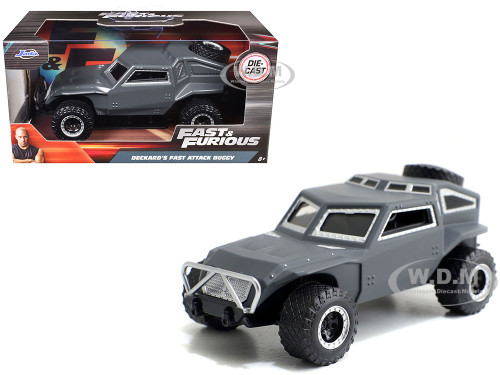
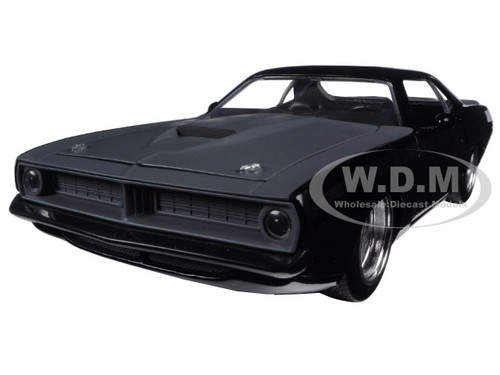
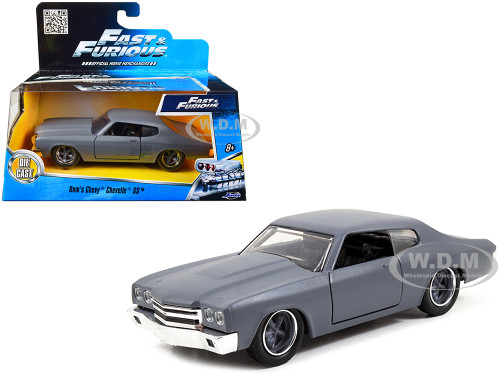
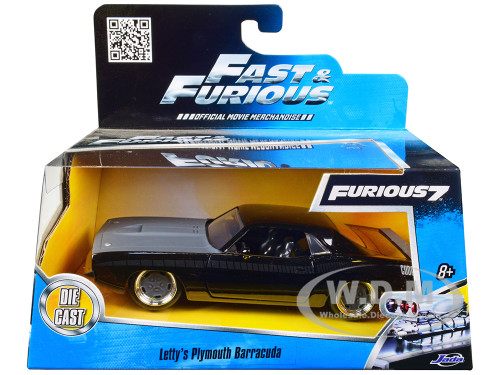
The Fast & The Furious category at Diecast Models Wholesale is dedicated to collectible vehicles inspired by the franchise. Depending on current availability, shoppers may find diecast cars representing recognizable movie vehicles, customized street machines, performance cars, and other automotive favorites associated with the films.
For diecast collectors, these models offer a way to celebrate some of cinema's most memorable cars in miniature form. For automotive enthusiasts, they capture the styling and customization culture that helped make the franchise a lasting part of car culture. Whether you are building a collection around Dominic Toretto's garage, recreating a favorite movie scene, or searching for a gift for a fan, The Fast & The Furious category is a place to explore available movie-inspired diecast cars.
The History of The Fast & The Furious
From Street Racing to a Global Automotive Phenomenon
The original The Fast and the Furious arrived in 2001, introducing audiences to an underground street-racing world centered on Los Angeles. Directed by Rob Cohen, the film followed undercover police officer Brian O'Conner as he became involved with Dominic Toretto and his circle of street racers.
The movie stood out for its emphasis on modified imports, racing rivalries, aftermarket parts, and nighttime street-racing culture. Rather than treating cars as simple transportation, it presented them as expressions of personality, technical creativity, and individual identity.
The success of the first film led to an expanding series that explored new locations, different racing disciplines, and increasingly ambitious action sequences. While the franchise gradually incorporated international heists, espionage, and large-scale stunts, cars remained central to its identity.
For collectors, this evolution created a broad range of automotive subjects. The early films are especially associated with modified Japanese sports cars and tuner culture, while later installments feature American muscle cars, exotic performance vehicles, off-road machines, and purpose-built action vehicles.
Why the Cars Became as Important as the Characters
The franchise's vehicles are closely associated with the characters who drive them. Their paint schemes, body modifications, wheels, spoilers, engine configurations, and other visual details help establish each car's identity on screen.
Several vehicles became particularly recognizable among fans:
-
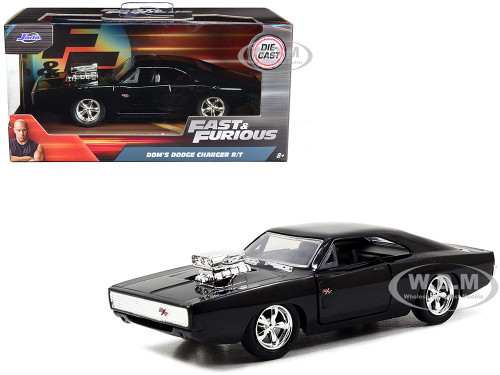
1970 Dodge Charger R/T: Closely associated with Dominic Toretto, this classic American muscle car is one of the franchise's defining vehicles. Its powerful appearance and connection to Dom make it a popular subject for movie-car collectors.
-
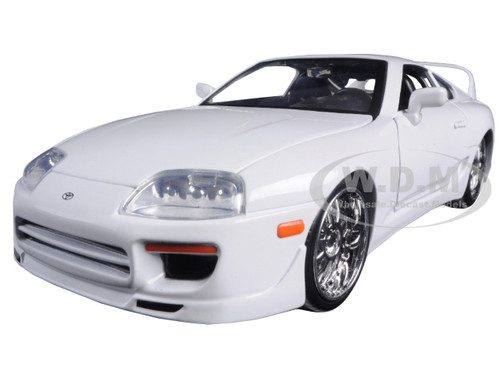
Toyota Supra: Brian O'Conner's orange Toyota Supra from the original film became one of the most iconic tuner cars in modern automotive cinema.
-
Mitsubishi Eclipse: The green Eclipse driven by Brian in the first film is remembered for its distinctive graphics and its place in the franchise's early street-racing era.
-
Nissan Skyline GT-R: The Skyline, particularly the R34 generation associated with Brian, is a favorite among JDM enthusiasts and fans of the series.
-
Mazda RX-7: The orange VeilSide-equipped Mazda RX-7 driven by Han in The Fast and the Furious: Tokyo Drift is another memorable example of the franchise's customized-car aesthetic.
-
Honda S2000: The pink Honda S2000 associated with Suki in 2 Fast 2 Furious stands out for its bold appearance and distinctive place in the film's automotive lineup.
These vehicles illustrate the variety that makes Fast & Furious diecast collecting appealing. Some collectors focus on a single character's cars, while others prefer a broader selection that represents different films, automotive styles, and generations of performance vehicles.
Iconic Cars from Across the Franchise
Japanese Tuner Cars and Import Performance
Japanese performance cars played a major role in establishing the franchise's early identity. Models such as the Toyota Supra, Nissan Skyline GT-R, Mitsubishi Eclipse, Mazda RX-7, and Honda Civic helped bring import tuning and aftermarket customization to a wider audience.
These cars appeal to collectors for several reasons. Their real-world counterparts have established places in automotive history, while their movie appearances give particular configurations and paint schemes additional significance. Fans often recognize a vehicle not simply by its make and model, but by the combination of bodywork, graphics, wheels, and character association that appeared on screen.
When comparing Fast & Furious diecast cars, enthusiasts may want to look for specific generations and movie-inspired details. A standard production-style sports car and a customized version associated with a film can represent very different collecting interests, even when both are based on the same vehicle.
American Muscle Cars
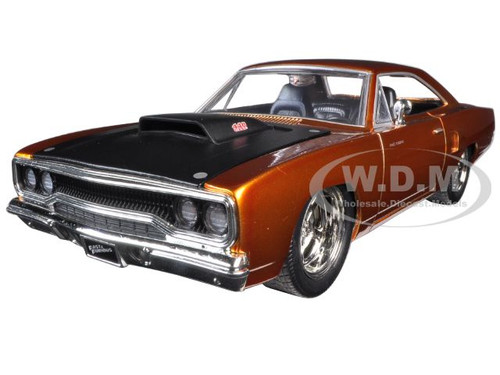
American muscle cars provide another major part of the franchise's automotive identity. The Dodge Charger associated with Dominic Toretto is perhaps the most recognizable example, representing the power, presence, and traditional performance styling that contrast with the compact import cars of the earlier films.
Classic and modern American performance vehicles also broaden the appeal of the franchise beyond tuner culture. Collectors who already appreciate classic muscle cars may be interested in movie-inspired versions because of their connection to a favorite character or scene.
When selecting a model, consider the vehicle's year or generation, body style, paint finish, and any distinctive movie-related modifications described in the listing. These details can help distinguish one interpretation from another and make it easier to build a collection with a consistent theme.
Exotic Cars and Action Vehicles
As the series expanded, its automotive lineup grew to include exotic sports cars, supercars, high-performance European vehicles, and machines adapted for dramatic action sequences. The later films frequently placed vehicles in unusual environments and demanding situations, adding variety to the franchise's visual identity.
This diversity creates opportunities for collectors with different automotive preferences. Some favor realistic road cars and recognizable production models, while others are drawn to heavily modified vehicles or unusual designs associated with specific scenes.
Not every car featured in the films is necessarily available as a licensed diecast model. Product availability depends on manufacturers, licensing, releases, and current inventory, so check each listing to confirm the specific vehicle and version being offered.
Choosing Fast & Furious Diecast Models
Diecast cars inspired by The Fast & The Furious can vary in scale, construction, level of detail, and intended use. Understanding these differences helps you select models that fit your collection, display space, and budget.
Understanding Scale
Scale indicates the size of a model in relation to its real-world counterpart. Common diecast scales include 1:18, 1:24, 1:32, 1:43, and 1:64, although the scales available will depend on the individual products in this category.
-
1:18 scale: Larger models that generally offer substantial visual presence and room for detailed exterior features.
-
1:24 scale: A popular display size for collectors who want a balance between model dimensions and visible detail.
-
1:43 scale: Compact models suitable for themed displays and collections with limited shelf space.
-
1:64 scale: Small-format models that make it easier to collect multiple movie cars and arrange them together in a garage, street-racing, or franchise-themed display.
These are general descriptions rather than guarantees of specific features. Opening doors, detailed interiors, engine components, display bases, and other features vary by manufacturer and product. Always check the individual listing for the stated scale, materials, and included accessories.
Details That Matter to Collectors
Movie-inspired diecast cars often appeal because of their visual connection to a particular film. When evaluating a model, consider the details that distinguish the vehicle from other versions of the same car.
-
Vehicle accuracy: Check the make, model, generation, and body style.
-
Movie-inspired appearance: Look for recognizable paint colors, graphics, body kits, wheels, and spoilers when specified.
-
Construction: Confirm whether the model uses diecast metal, plastic components, or a combination of materials.
-
Level of detail: Review descriptions of the interior, exterior finish, lighting, and moving or opening parts where applicable.
-
Packaging: Collectors who prefer to keep models boxed may want to consider the packaging design and storage requirements.
-
Display compatibility: Compare dimensions and scale with other models you own to create a coordinated collection.
The most suitable model is not necessarily the largest or most detailed. A compact car may be ideal for a collection spanning multiple films, while a larger model may be better suited to a display focused on one particularly memorable vehicle.
Building a The Fast & The Furious Collection
One of the most enjoyable aspects of collecting Fast & Furious diecast cars is deciding how to organize the vehicles. The franchise offers several natural collecting themes, allowing fans to build a display that reflects their own interests.
Collect by Character
A character-based collection focuses on the vehicles associated with a particular driver. Dominic Toretto's muscle cars and Brian O'Conner's tuner cars provide recognizable starting points. Other fans may prefer vehicles connected to Han, Letty Ortiz, Roman Pearce, or other members of the franchise's ensemble.
This approach creates a personal connection between the models and the stories that made them memorable.
Collect by Film
Another approach is to focus on a specific installment or era. The original film and its early sequels are closely associated with street racing and modified imports, while Tokyo Drift is especially connected to drifting and Japanese performance-car culture. Later films offer a broader mix of vehicles and automotive styles.
Organizing models by film can help recreate the evolution of the franchise and make it easier to identify which vehicles are still missing from a collection.
Collect by Automotive Style
Collectors who are primarily interested in cars may prefer to organize their models by vehicle type rather than character or film. A display of Japanese tuner cars, for example, can bring together several recognizable movie vehicles while highlighting the real-world automotive culture behind them.
Alternatively, a collection of American muscle cars can emphasize classic proportions, bold styling, and high-performance heritage. Combining different styles offers a wider overview of the vehicles that have helped define The Fast & The Furious.
Fast & Furious Diecast Cars for Gifts
A movie-inspired diecast car can be an appealing gift for a collector, car enthusiast, or fan of the franchise. The combination of recognizable automotive design and a connection to popular entertainment makes these models suitable for birthdays, holidays, special occasions, or adding to an existing collection.
If you are purchasing a gift, consider the recipient's favorite character, film, and vehicle. A fan who enjoys Japanese tuner cars may appreciate a different model from someone whose favorite is Dominic Toretto's classic Charger. Scale and available display space are also worth considering, especially if the recipient already collects diecast vehicles.
Before purchasing, review the product details to confirm the model, scale, finish, and any included packaging or accessories. This is particularly important when selecting a specific movie version, since a vehicle may appear in different configurations across the franchise.
Find Your Next Fast & Furious Collectible
The Fast & The Furious has helped turn movie cars into recognizable pieces of modern automotive culture. From Japanese tuner legends and drifting favorites to American muscle cars and exotic performance vehicles, the franchise offers something for many different types of collectors.
Explore the available Fast & Furious diecast cars at Diecast Models Wholesale to discover movie-inspired vehicles, compare model details and scales, and find the next addition to your collection.