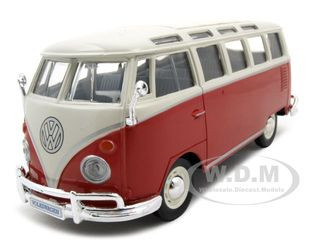
Volkswagen has produced some of the world's most recognizable automobiles, from the original Beetle and classic Microbus to the Golf GTI, modern performance cars, and practical everyday vehicles. Known for its distinctive styling, engineering evolution, and broad cultural influence, Volkswagen offers an especially diverse range of subjects for diecast model collectors.
The Volkswagen category at Diecast Models Wholesale brings together miniature cars and other Volkswagen-inspired collectibles for automotive enthusiasts, model-car collectors, fans of German engineering, and gift shoppers. Depending on current availability, shoppers may find scale models representing classic Volkswagen vehicles, modern production cars, sporty variants, and the brand's much-loved historic designs.
Volkswagen models appeal to a wide range of collectors. Some focus on the original Beetle and its many variations, others collect classic Type 2 vans and buses, while enthusiasts of newer vehicles may prefer the Golf, GTI, or other performance-oriented models. The brand's long history also makes it possible to build a collection that follows the evolution of Volkswagen design across several generations.
The History of Volkswagen
The Origins of the Volkswagen Beetle
Volkswagen's history began in Germany during the 1930s, with the development of a compact, affordable car intended for broad public use. The vehicle that became known as the Volkswagen Type 1 eventually achieved international recognition as the Beetle.
After World War II, production expanded at Wolfsburg, and the Beetle became one of the most successful and influential cars of the twentieth century. Its rounded body, rear-mounted engine, and unmistakable silhouette helped distinguish it from conventional family cars. Over decades of production, the Beetle received numerous mechanical and styling updates while retaining its fundamental character.
The Beetle became popular around the world, developing a following that extended beyond basic transportation. Its approachable design and associations with counterculture, customization, and everyday motoring helped make it an enduring automotive icon.
For diecast collectors, the Beetle offers many possibilities. Different model years, bumpers, lighting arrangements, wheels, colors, and custom treatments can create meaningful distinctions between miniature versions. Classic factory-style Beetles may appeal to historical collectors, while customized or themed examples can suit enthusiasts interested in distinctive finishes and popular culture.
The Volkswagen Type 2: Bus, Microbus, and Transporter
Introduced in the early 1950s, the Volkswagen Type 2 developed into one of the brand's most recognizable vehicle families. Known in different markets and configurations as the Transporter, Kombi, Bus, or Microbus, it served as a passenger vehicle, delivery van, camper, and versatile commercial vehicle.
Early split-window buses are especially recognizable because of their divided front windshield and rounded bodywork. Later versions introduced revised styling, larger windows, updated mechanical components, and other practical changes. Camper conversions and passenger versions also gave the Type 2 a strong association with road trips, outdoor recreation, and custom vehicle culture.
Volkswagen bus models are popular with collectors because they combine practical utility with unmistakable styling. A miniature passenger bus can complement a classic-car collection, while a camper or commercial-style model may appeal to collectors who focus on vintage vans and utility vehicles.
Volkswagen's Expansion into Modern Cars
Volkswagen expanded far beyond its original small-car roots during the second half of the twentieth century. The company introduced a wide range of family cars, compact hatchbacks, sedans, sport-oriented vehicles, and utility models for markets around the world.
This expansion gave Volkswagen a broader design identity. The rounded Beetle and early buses remained familiar classics, while later vehicles adopted more angular shapes, front-engine layouts, and increasingly sophisticated engineering.
The Volkswagen Golf, introduced in the 1970s, became a particularly important model. Its practical hatchback format helped establish a new direction for the brand after the Beetle era, and subsequent generations developed the Golf into a globally recognized compact car. Performance variants such as the GTI helped build Volkswagen's reputation among enthusiasts who wanted everyday practicality combined with sharper handling and stronger performance.
For collectors, this history means Volkswagen diecast models can represent very different automotive eras. A classic Beetle, a first-generation Golf, and a modern performance hatchback may share the same manufacturer but have distinct design details and collecting appeal.
Popular Volkswagen Models for Diecast Collectors
Volkswagen Beetle and New Beetle
The original Beetle remains one of the most recognizable subjects in miniature automotive collecting. Its rounded fenders, curved roofline, compact proportions, and distinctive front and rear styling make it easy to identify at different scales.
The later New Beetle, introduced in the late 1990s, reinterpreted the classic shape with modern engineering and updated safety and comfort features. The subsequent Beetle generation continued that retro-inspired approach with a different body profile.
Collectors may enjoy comparing these generations to see how Volkswagen revisited a familiar design for new audiences. When available, factory-style, custom, and themed Beetle models can also provide variety within a collection.
Volkswagen Bus, Microbus, and Camper Models
The Type 2 family is a favorite among collectors of classic vans and utility vehicles. Its large windows, distinctive front end, and versatile body styles give it a different character from Volkswagen passenger cars.
Depending on the product, miniature buses may represent passenger transport, commercial delivery, or camper-inspired configurations. Their design also lends itself to colorful paint schemes and vintage-inspired displays.
These models can be displayed alongside classic Beetles, vintage travel accessories, or other miniature vehicles to evoke the road-trip and outdoor culture associated with historic Volkswagen buses.
Volkswagen Golf and Golf GTI
The Golf represents Volkswagen's transition into the modern compact-car era. Its practical hatchback body became the foundation for numerous generations, each with its own styling, proportions, and mechanical developments.
The Golf GTI adds a performance-oriented dimension to the range. Introduced in 1976, the original GTI helped establish the modern hot-hatch formula by combining compact dimensions with sharper handling and a more sporting character. Later generations developed that concept while retaining the Golf's everyday usability.
For collectors, the GTI is especially appealing because generation changes are visible in details such as headlights, bumpers, grille treatments, wheel designs, and body proportions. Enthusiasts may choose to collect a single generation or compare several versions to trace the model's development.
Volkswagen Karmann Ghia
The Karmann Ghia combined Volkswagen mechanical underpinnings with distinctive Italian-influenced styling and coachwork by German manufacturer Karmann. Produced as both a coupe and a convertible, it offered a more elegant, sporting appearance than the standard Beetle.
Its flowing bodywork, rounded front end, and graceful roofline make it a distinctive subject for miniature car collectors. The Karmann Ghia is particularly suitable for collections focused on classic European design and vintage automobiles.
Volkswagen Jetta, Scirocco, and Other Models
Volkswagen's wider history includes several other recognizable vehicles. The Jetta brought a sedan format to the Golf family, while the Scirocco offered a sporty coupe with distinctive styling. Other models, including the Passat and later SUVs, illustrate how Volkswagen expanded into different market segments.
These vehicles can interest collectors who want to go beyond the most famous classics and represent a broader range of Volkswagen's automotive history. The particular models and versions available will vary over time.
Choosing a Volkswagen Scale Diecast Model
Volkswagen diecast models are produced in different scales, allowing collectors to choose according to their available space, preferred level of detail, and existing collection. The category URL references scales including 1/12, 1/18, 1/24, and 1/43, although actual choices depend on current availability.
-
1/12 scale: A comparatively large display model that can make a strong visual statement. Check its dimensions before purchasing, particularly for larger vehicles.
-
1/18 scale: A popular choice for detailed display collections. It offers a noticeable presence on a shelf and works well for showcasing the distinctive proportions of classic and modern Volkswagen cars.
-
1/24 scale: A practical middle ground for collectors who want recognizable detail without the footprint of a larger model.
-
1/43 scale: A compact option for collectors with limited display space or those building a broad collection of cars from different manufacturers.
Scale describes the model's size relative to the real vehicle, not necessarily its quality or accuracy. Two models in the same scale can differ in materials, opening features, interior detail, paint finish, and construction.
Before purchasing, review the individual product description and photographs to confirm the represented generation, scale, color, construction, and included accessories.
What to Look for in Volkswagen Diecast Cars
The appeal of a collectible often lies in the details that distinguish one version from another. When comparing Volkswagen scale models, consider the following features.
Body Shape and Exterior Details
Volkswagen's best-known vehicles have distinctive proportions. A Beetle's curved body, a split-window bus's front profile, and a Golf GTI's compact hatchback silhouette each require different design details to capture the real vehicle's character.
Look for accurate-looking headlights, grille treatments, bumpers, mirrors, wheels, and trim. These elements can be particularly useful when comparing models representing different years or generations.
Paint, Wheels, and Special Versions
Color and wheel design can substantially change a miniature vehicle's appearance. Some collectors prefer factory-inspired finishes, while others enjoy customized styles or special decorative treatments.
If you collect a particular generation or trim level, check the listing carefully to determine which version is represented. A model's appearance alone may not establish its exact year or specification.
Construction and Moving Features
Diecast models often combine metal and plastic components, with the balance varying by product. Some models include opening doors, hoods, or other moving features, while others prioritize a clean exterior and compact display format.
Do not assume that every Volkswagen diecast model has opening parts or the same material composition. Check the product details to understand its construction and features before ordering.
Volkswagen Models for Gifts and Collecting
Volkswagen diecast cars make appealing gifts for a range of interests. The Beetle and Microbus are recognizable choices for fans of classic cars and retro design, while the Golf GTI may suit enthusiasts who prefer compact performance cars. A Karmann Ghia or another classic Volkswagen can be a distinctive choice for someone who appreciates vintage European styling.
When selecting a gift, consider the recipient's favorite model, preferred era, available display space, and existing collection. A smaller-scale model may be ideal for a desk or crowded shelf, while a larger piece can serve as a centerpiece.
For established collectors, a different generation, body style, or finish can add variety to an existing Volkswagen display. For newer collectors, an iconic model such as a Beetle or classic bus can provide an accessible starting point.
Displaying and Caring for Volkswagen Collectibles
Volkswagen models can be arranged by vehicle family, historical period, scale, or design style. A display featuring a classic Beetle, a vintage Type 2 bus, and a Golf GTI can illustrate how the brand evolved from its early compact-car roots to its modern performance models.
To help keep your models in good condition:
-
Keep them away from prolonged direct sunlight to help prevent fading.
-
Dust gently with a soft brush or microfiber cloth.
-
Handle mirrors, antennas, and other small components with care.
-
Avoid excessive moisture and extreme temperatures.
-
Retain original packaging if you prefer boxed storage or collectible presentation.
If you collect multiple scales, grouping similarly sized models together can create a more balanced display. Larger models may work best as focal pieces, while smaller cars can fill out a collection without taking up as much room.
Browse the available Volkswagen diecast models at Diecast Models Wholesale to discover classic Beetles, iconic buses, sporty hatchbacks, and other collectible Volkswagen vehicles. Compare the available scales, finishes, and product details to find the right addition to your collection or a memorable gift for a Volkswagen enthusiast.

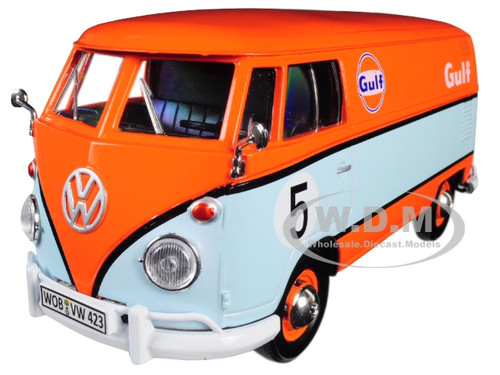


 $23.99Was $28.99Save 17%

 $22.99Was $27.99Save 17%
 $24.49Was $29.99Save 18%

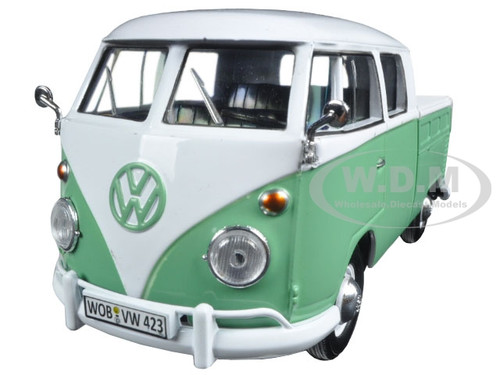

 $23.99Was $28.99Save 17%

 $21.99Was $26.99Save 18%

 $22.99Was $27.99Save 17%