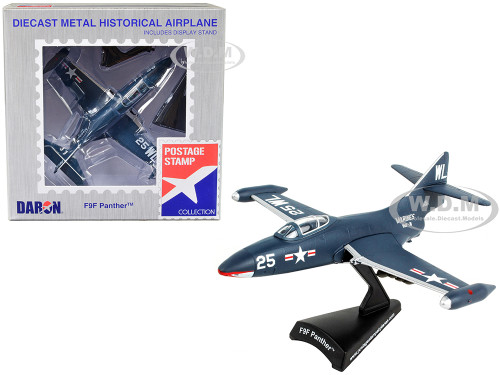
1/100 scale diecast models are compact replicas built at one hundredth of the size of their full-size counterparts. This scale is particularly useful for collectors who want recognizable vehicles and aircraft in a relatively small format, making it possible to build detailed displays without the shelf space required by larger scales.
At 1/100 scale, every 100 units on the real vehicle correspond to one unit on the model. A full-size vehicle measuring 100 feet long, for example, would be approximately 1 foot long in 1/100 scale. The actual dimensions of an individual model will naturally depend on the size of the original vehicle.
Because 1/100 is a compact scale that can be applied to many different types of subjects, shoppers should consider both the scale and the original vehicle when comparing models. A large aircraft and a small vehicle can both be 1/100 scale while having very different model dimensions.
What Does 1/100 Scale Mean?
The 1/100 scale designation describes the proportional relationship between a model and the real vehicle. It does not indicate that every 1/100 model will have the same physical dimensions.
For example:
- A 10-foot-long full-size vehicle would be approximately 1.2 inches long at 1/100 scale.
- A 20-foot vehicle would be approximately 2.4 inches long.
- A 50-foot aircraft would be approximately 6 inches long.
- A 100-foot aircraft would be approximately 12 inches long.
These are approximate examples based strictly on scale. Actual diecast models can vary slightly because of manufacturing specifications, model design, and how the original subject is represented.
For collectors, the scale is particularly helpful when planning displays or deciding whether a new model will fit alongside existing pieces.
Why Collect 1/100 Scale Diecast Models?
The appeal of 1/100 scale diecast models comes largely from their combination of compact size and recognizable detail. They allow collectors to represent larger vehicles without requiring a large display cabinet.
This can be especially useful for collectors interested in aircraft, transportation, military subjects, or other large real-world vehicles. A collection can grow considerably while remaining relatively easy to display.
1/100 scale models can also be attractive to collectors who organize their collections around a particular subject rather than a single manufacturer or scale.
Compact Display Size
Compared with larger scales such as 1/18, 1/24, or 1/32, a 1/100 model generally requires considerably less shelf space. This makes the scale practical for:
- Aircraft collections
- Military displays
- Transportation collections
- Fleet displays
- Themed lineups
- Compact display cabinets
- Dioramas and miniature scenes
- Collectors working with limited shelf space
The smaller format also makes it possible to display multiple related vehicles together, provided the models are compatible in scale and subject.
What Can You Expect to Find in 1/100 Scale?
The selection of 1/100 scale vehicles depends on current production and availability. Since different manufacturers produce different subjects in different scales, the assortment can vary over time.
One of the most useful characteristics of 1/100 is its ability to represent subjects that would otherwise become quite large in larger scales. This makes it worth considering when shopping for aircraft, military equipment, transportation subjects, and other larger vehicles.
Aircraft and Aviation Models
Aircraft are an important area where 1/100 scale can make sense for collectors. Larger aircraft can become difficult to display in scales such as 1/48 or 1/72, while 1/100 provides a more compact alternative.
Depending on availability, collectors may encounter different types of aviation subjects, including military aircraft, passenger aircraft, helicopters, transports, and other aircraft.
When shopping for an aircraft model, pay attention to the wingspan and overall length in addition to the scale. Two aircraft in 1/100 can have dramatically different dimensions because their real-world sizes differ.
Military Vehicles
Military vehicles can also be represented in 1/100 scale. Tanks, armored vehicles, trucks, and other military subjects can form compact displays, particularly when a collector wants to represent a larger number of vehicles.
A 1/100 military model can be useful for collectors who want to create a lineup organized by vehicle type, historical period, military force, or specific conflict.
For military collecting, details such as markings, camouflage, configuration, and vehicle variant can be just as important as the scale itself.
Cars, Trucks and Transportation Subjects
Passenger cars and commercial vehicles may also appear in compact scales such as 1/100, depending on the manufacturer and product line. These models can be useful for collectors interested in unusual scales or compact representations of specific vehicles.
Commercial transportation subjects are particularly interesting because their larger real-world dimensions can still result in manageable model sizes at 1/100.
As with any uncommon or specialized scale, product availability should be checked individually rather than assuming that every vehicle type is widely produced in 1/100.
1/100 Scale Compared With Nearby Scales
Understanding nearby scales makes it easier to determine how a 1/100 model will fit into an existing collection.
- 1/64 — Significantly larger than 1/100 and one of the most familiar compact diecast scales.
- 1/72 — Larger than 1/100 and especially associated with aircraft and military subjects.
- 1/76 — Larger than 1/100 and often used for compact transportation subjects.
- 1/87 (HO) — Larger than 1/100 and strongly associated with HO-scale model railroading and transportation displays.
- 1/90 — Larger than 1/100.
- 1/93 — Larger than 1/100.
- 1/94 — Larger than 1/100.
- 1/96 — Slightly larger than 1/100.
- 1/97 — Slightly larger than 1/100.
- 1/100 — The compact scale featured in this category.
- 1/144 — Smaller than 1/100 and commonly used for aircraft and other large subjects.
- 1/200 — Considerably smaller than 1/100, particularly useful for very large aircraft and transportation subjects.
- 1/400 — Much smaller again, allowing large fleets and aircraft collections to occupy very little space.
The difference between neighboring scales can be relatively small, but it matters when a collector is trying to maintain consistent proportions. A 1/97, 1/100, or 1/144 model should not automatically be treated as interchangeable with another scale.
1/100 vs. 1/72 Scale
The comparison between 1/100 and 1/72 is particularly useful for aircraft collectors.
A 1/72 model is substantially larger than an equivalent 1/100 model. The linear dimensions of a 1/72 model are about 39% larger than those of a 1/100 model representing the same full-size aircraft.
That difference can become significant with large aircraft. A 1/100 model can therefore provide a practical alternative when a 1/72 aircraft would take up too much display space.
On the other hand, collectors who prioritize larger physical presence and additional visible detail may prefer a larger aviation scale when the desired aircraft is available.
Choosing a 1/100 Diecast Model
Before purchasing a 1/100 scale diecast model, consider the following:
Confirm the Scale
Make sure the product is specifically identified as 1/100. Nearby scales can look similar in photographs, particularly with small models.
Check the Dimensions
Scale alone does not tell you the exact physical size of the finished model. The original vehicle's dimensions determine how large the miniature will be.
Consider the Subject
Look for the specific vehicle, aircraft, manufacturer, era, military unit, airline, or theme that interests you. For collectors, an uncommon scale can make a particularly desirable subject even more interesting.
Review Features
Depending on the model, features may include diecast metal construction, plastic components, printed markings, landing gear, rolling wheels, stands, display bases, opening components, or other details.
Not every 1/100 model will include the same features, so individual product specifications are important.
Think About Your Existing Collection
If you already collect 1/72, 1/87, 1/96, 1/97, 1/100, 1/144, or other scales, decide whether you want strict scale consistency or a deliberately mixed-scale display.
Building a 1/100 Scale Collection
A 1/100 collection can be organized around many different themes.
By aircraft type: Group fighters, transports, helicopters, airliners, bombers, or other aircraft together when suitable models are available.
By era: Build a collection around historic, Cold War, modern, or contemporary subjects.
By manufacturer or operator: Aviation collectors may organize models by aircraft manufacturer, airline, military service, or other operator.
By vehicle type: A transportation collection can combine compatible cars, trucks, military vehicles, aircraft, and specialty subjects while keeping the scale consistent.
By subject or event: Collectors can also build displays around a particular military conflict, historical period, aviation theme, or vehicle family.
This flexibility is one of the advantages of a compact scale. Rather than requiring a huge display area, a collector can build a varied lineup within a relatively small footprint.
Displaying 1/100 Scale Models
The compact size of 1/100 models provides plenty of display possibilities. Aircraft can be displayed on individual stands or arranged into a lineup representing a particular fleet. Vehicles can be grouped into parking areas, transportation scenes, military formations, or other miniature environments.
A simple display can be organized by size, era, manufacturer, or color. A more elaborate setup can incorporate roads, runways, hangars, parking areas, buildings, or other scenery.
When adding scenery or vehicles from other scales, remember that visual compatibility depends on more than physical size. A model from a substantially different scale can appear oversized or undersized beside a 1/100 model.
For the most realistic display, keep the primary models and supporting scenery as close to the intended scale as practical.
The Appeal of Compact and Uncommon Scales
Not every collector wants the largest model available. For many enthusiasts, compact scales provide an opportunity to build broader collections while keeping displays manageable.
1/100 scale diecast models can be particularly appealing when the full-size subject is large. Aircraft, military equipment, transportation vehicles, and other large subjects can remain display-friendly while retaining the essential proportions and visual identity of the original.
The scale is also an interesting choice for collectors who enjoy less-common diecast scales. Finding a particular subject in an unusual scale can add another dimension to a collection and may make the model stand out from more conventional scale displays.
Find 1/100 Scale Diecast Models
Whether you are searching for a compact aircraft, military vehicle, transportation model, or another collectible subject, 1/100 scale diecast models offer a practical format for collectors who value scale accuracy and manageable display size.
Browse the available 1/100 scale models at DiecastModelsWholesale.com, compare individual products and specifications, and find the next piece for your collection or display.