1/72 Scale Diecast Models
Explore 1/72 scale diecast models, a compact scale with a particularly strong presence in aircraft and military collecting. At 1/72 scale, a model represents the real subject at approximately one-seventy-second of its full-size dimensions. The relatively small size makes 1/72 practical for collectors who want detailed representations of aircraft, military vehicles, and other subjects without the display requirements of larger scales.
Unlike some uncommon compact scales, 1/72 has a long-established place in scale modeling. It is especially familiar among aircraft collectors, where the scale provides a useful balance between recognizable detail and manageable size. Depending on current availability, 1/72 diecast models can include military aircraft, civilian aircraft, helicopters, military vehicles, and other transportation subjects.
For shoppers, the most important consideration is the individual product. Construction, materials, markings, moving or opening parts, stand arrangements, and other features can vary considerably between manufacturers and models. Review each product listing for its specific specifications and dimensions.
What Does 1/72 Scale Mean?
Scale describes the relationship between a model and the real-world subject it represents. A 1/72 scale model is approximately 1/72 the dimensions of the original subject.
For example, a full-size aircraft with a 72-foot wingspan would theoretically have a wingspan of approximately 12 inches in true 1/72 scale. A 36-foot-long aircraft would measure approximately 6 inches long.
The actual dimensions of a model depend on the dimensions of the full-size aircraft or vehicle being represented. A large transport aircraft will therefore be substantially larger than a small fighter even though both are 1/72 scale.
For display planning, the stated scale is useful for comparing models, while the individual product dimensions are the best reference for determining how much physical space a particular model will require.
Why Collect 1/72 Scale Diecast Models?
A Classic Aircraft Scale
One of the strongest associations with 1/72 scale is aviation. The scale has been used extensively for model aircraft, making it familiar to generations of aircraft enthusiasts and collectors.
Its relatively compact size allows collectors to represent multiple aircraft types without requiring the shelf depth and space needed for larger aircraft scales such as 1/48, 1/32, or 1/18.
Excellent for Aircraft Collections
Aviation collectors can use 1/72 scale to build displays spanning different eras, nations, aircraft manufacturers, and missions.
Depending on the available selection, subjects can include:
- Fighter aircraft
- Bombers
- Transport aircraft
- Reconnaissance aircraft
- Ground-attack aircraft
- Trainers
- Helicopters
- Naval aircraft
- Civilian and commercial aircraft
- Historical aircraft
The scale is also useful for comparing aircraft of very different real-world sizes while keeping the entire collection within a manageable display format.
Compact Display Requirements
A 1/72 aircraft can have considerable visual presence without becoming difficult to display. Several aircraft can fit on a shelf where only a few larger 1/48 or 1/32 models might fit.
This makes 1/72 particularly attractive for collectors who want to explore an entire aircraft family, air force, conflict, or historical period.
What Can You Find in 1/72 Scale?
The selection in 1/72 can cover a wide range of subjects, with aircraft being the most prominent collecting category.
Depending on current availability, shoppers may find:
- Military airplanes
- Fighter jets
- Propeller aircraft
- Bombers
- Transport aircraft
- Helicopters
- Civilian aircraft
- Military vehicles
- Specialty transportation subjects
Selection varies by manufacturer and production run, so individual subjects may be available only periodically.
Military Aircraft
Military aviation is one of the most important areas of 1/72 scale collecting. The format can represent aircraft from early aviation through modern military aviation.
Collectors may encounter subjects such as fighters, attack aircraft, bombers, transports, reconnaissance aircraft, and helicopters. Historical markings and specific aircraft configurations can also make individual models particularly interesting to enthusiasts.
A 1/72 aircraft can be collected around a particular country, service branch, war, aircraft family, squadron theme, or historical period.
Civilian and Commercial Aircraft
Depending on available products, 1/72 can also be used for civilian aviation subjects. However, the physical size of commercial aircraft becomes important at this scale.
A 1/72 model of a large airliner will be substantially larger than a 1/72 fighter aircraft. Collectors should therefore check product dimensions carefully when planning display space.
Helicopters
Helicopters are another natural subject for 1/72 collecting. Their compact fuselages and rotor systems can make them interesting additions to aviation displays.
Military utility helicopters, attack helicopters, transport helicopters, and other rotary-wing subjects can be displayed alongside fixed-wing aircraft from the same period or service.
Military Vehicles
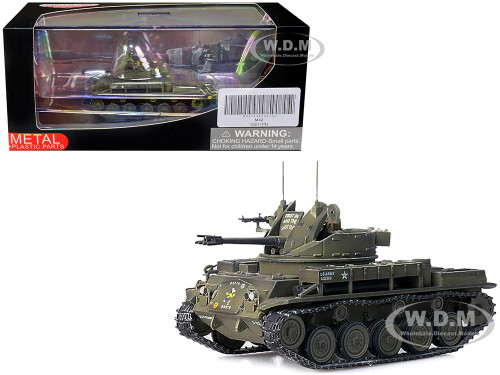
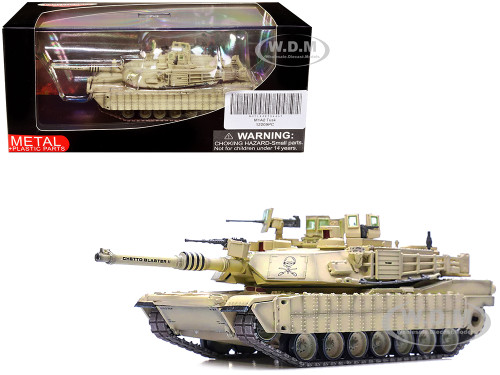
1/72 scale can also appear in military vehicle collecting. Tanks, armored vehicles, trucks, artillery, and support equipment can complement aircraft collections and help create historically themed displays.
Because 1/72 is substantially smaller than scales such as 1/35, it can be useful when a collector wants to represent a large number of vehicles or create a broad military scene.
1/72 Scale Compared With Nearby Scales
Understanding nearby scales is particularly important for aircraft collectors because 1/72, 1/48, 1/100, 1/144, and 1/400 are all used for aviation subjects.
- 1/32 — Much larger, providing greater physical presence and room for visible detail.
- 1/48 — Larger than 1/72 and another major aircraft and military scale.
- 1/50 — Larger and particularly established for trucks, construction equipment, and commercial vehicles.
- 1/64 — Larger than 1/72 and widely used for compact automobile and vehicle collecting.
- 1/68 — Slightly larger than 1/72.
- 1/72 — Compact and particularly well established for aircraft and military subjects.
- 1/100 — Smaller than 1/72 and useful for larger aircraft that would otherwise require considerable display space.
- 1/144 — Much smaller, allowing large aircraft collections to occupy very little space.
- 1/200 — Considerably smaller and frequently used for commercial and military aircraft.
- 1/400 — Extremely compact, particularly useful for airline and airport collections.
A 1/72 model is approximately 50% larger linearly than an equivalent 1/108 model, but more relevant to diecast collectors is its relationship to 1/48 and 1/144. A 1/48 model is approximately 50% larger linearly than a 1/72 model, while a 1/144 model is exactly half the linear dimensions of an equivalent 1/72 model.
Because display area increases in two dimensions, the difference in footprint can be even more significant than the linear measurements suggest.
1/72 vs. 1/48 Aircraft Models
The choice between 1/72 and 1/48 is one of the most common considerations for aircraft collectors.
A 1/48 aircraft is substantially larger and generally provides more physical room for visible surface and cockpit details. It can have greater individual display presence but also requires more space.
A 1/72 collection, by comparison, makes it easier to display many aircraft together. This can be especially useful for collectors interested in complete aircraft families, multiple historical periods, or several national air forces.
Choose 1/72 when compact collecting and collection breadth are priorities. Choose 1/48 when larger size and greater individual display presence are more important.
1/72 vs. 1/144 Aircraft Models
A 1/144 aircraft is half the linear dimensions of an equivalent 1/72 aircraft. This makes 1/144 particularly attractive for large airliners, bombers, transports, and collectors with limited display space.
The larger 1/72 format generally makes the aircraft easier to appreciate individually, while 1/144 allows substantially more subjects to fit into the same display environment.
Both can work well in a collection, but they serve different display priorities.
Choosing a 1/72 Diecast Model
When selecting a 1/72 scale model, consider the following factors.
Aircraft or Vehicle Subject
The specific subject should be the starting point. You may be collecting a particular aircraft type, historical event, military service, manufacturer, airline, or era.
Dimensions
Two 1/72 aircraft can have dramatically different dimensions because real aircraft vary greatly in size. A large bomber or transport can require considerably more display space than a small fighter.
Manufacturer and Features
Individual manufacturers use different materials and production techniques. Depending on the model, features can include metal construction, detailed cockpits, landing gear, weapons or external stores, painted markings, display stands, moving components, and other details.
Always check the individual product listing for the exact features.
Display Requirements
Consider wingspan, length, landing gear configuration, and any display stand included with the model. These factors can affect how much room the model actually needs.
Building a 1/72 Scale Collection
One of the greatest advantages of 1/72 is the number of themes that can be explored within a manageable display footprint.
Collectors can organize their collections around:
- Aircraft manufacturers
- Individual aircraft families
- National air forces
- Historical conflicts
- Military branches
- Propeller aircraft
- Jet aircraft
- Bombers and transports
- Helicopters
- Civilian aviation
- Specific decades or aviation eras
A particularly rewarding approach is to build a chronological collection showing how aircraft technology developed over time. Another is to focus on a particular conflict and collect aircraft from multiple participants.
Creating 1/72 Aviation Displays
A 1/72 aircraft collection can become the foundation for a detailed aviation display. Models can be arranged by era, aircraft type, country, or mission.
Collectors interested in military aviation can combine aircraft with appropriately scaled ground vehicles, support equipment, personnel, and airfield scenery. Airport-focused collections can use terminal buildings, service vehicles, ramps, and other accessories to create a miniature aviation environment.
For the most realistic results, keep accessories and scenery close to 1/72 scale and pay attention to the relative dimensions of different aircraft.
The Appeal of 1/72 Scale Collecting
The lasting appeal of 1/72 scale diecast models comes from the balance between size and subject variety. The scale is small enough to make broad collections practical, yet large enough for an aircraft's distinctive shape, markings, and major details to remain readily visible.
For aviation enthusiasts, 1/72 can provide a particularly effective way to collect across generations of aircraft without the display requirements of larger scales. Military collectors can also use it to combine aircraft and ground vehicles into broader historical displays.
Whether you are adding one aircraft to an established collection or building an entire 1/72 aviation display, the scale offers a versatile compact format for exploring the subjects that interest you most.
Find 1/72 Scale Diecast Models
Browse the available 1/72 scale diecast models at DiecastModelsWholesale.com and discover aircraft, helicopters, military vehicles, and other compact scale subjects. Review each product's dimensions, manufacturer, markings, construction, and features to find models that fit your collection and display plans.