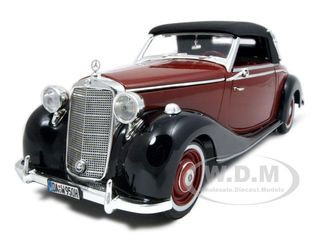
Discover Mercedes diecast model cars inspired by one of the most influential names in automotive history. Known for engineering, luxury, performance, and distinctive styling, Mercedes-Benz has produced everything from elegant classic automobiles and executive sedans to sports cars, supercars, SUVs, and championship-winning racing machines.
The Mercedes category at Diecast Models Wholesale is for collectors, automotive enthusiasts, and shoppers looking for miniature replicas of vehicles associated with the Mercedes name. Depending on current availability, the selection may include classic Mercedes-Benz cars, modern luxury vehicles, AMG performance models, iconic roadsters, and motorsport-inspired replicas.
Mercedes models appeal to a wide range of collectors. Some focus on vintage automobiles and the evolution of luxury-car design. Others prefer modern AMG vehicles, high-performance coupes, or racing cars with distinctive competition liveries. Whether you're building a collection around one model family or bringing together Mercedes vehicles from different eras, diecast replicas offer a practical way to celebrate the brand's automotive heritage.
Models may be offered in different scales, finishes, and levels of detail. Check each product listing for the exact vehicle designation, scale, manufacturer, construction, and included features before purchasing.
The History of Mercedes-Benz
Mercedes-Benz is associated with the early development of the automobile and more than a century of automotive innovation. The company's heritage draws on the work of Karl Benz and Gottlieb Daimler, two pioneers whose engineering achievements helped establish the modern motor vehicle.
Karl Benz received a patent in 1886 for his Patent-Motorwagen, widely recognized as a landmark in the development of the automobile. Gottlieb Daimler and Wilhelm Maybach also contributed important advances in engine and vehicle design during the same period.
The Mercedes name became prominent in the early 20th century, and Mercedes-Benz was established as a marque in 1926 following the merger of Benz & Cie. and Daimler-Motoren-Gesellschaft. Over the decades, Mercedes-Benz developed a reputation for combining technical innovation with comfort, safety, and carefully engineered vehicle design.
Its history includes prestigious touring cars, luxury sedans, sports cars, off-road vehicles, and competition machines. Mercedes-Benz has also played a significant role in motorsport, including Grand Prix racing, endurance racing, touring-car competition, and Formula 1.
For diecast collectors, this broad history offers a variety of subjects. A collection might feature a prewar classic, a postwar luxury sedan, a 1960s sports car, a modern AMG coupe, and a contemporary Mercedes-AMG Formula 1 car. Together, these models illustrate how the brand's designs and engineering priorities have changed over time.
Iconic Mercedes-Benz Road Cars
Mercedes-Benz road cars span many categories, from understated executive vehicles to dramatic sports cars and limited-production supercars. Each type offers a different collecting opportunity.
Mercedes-Benz 300 SL
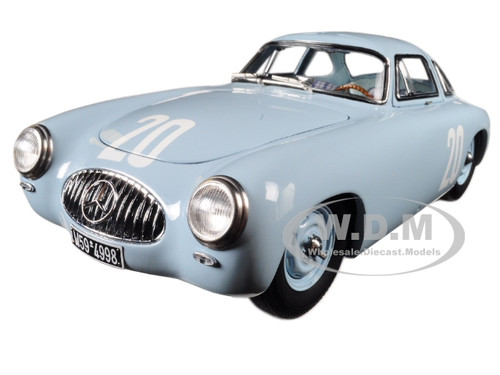
The Mercedes-Benz 300 SL is one of the most recognizable classic sports cars in automotive history. Introduced in the 1950s, the coupe became famous for its distinctive gullwing doors, advanced engineering, and direct connection to Mercedes-Benz's competition heritage.
The 300 SL Roadster followed, offering a different body style while retaining the model's sporting character. Both versions are appealing subjects for collectors interested in classic European cars.
A 300 SL diecast model can make a strong centerpiece for a vintage-car display. When choosing one, check whether it represents the gullwing coupe or the roadster, as the roof, doors, and overall silhouette differ significantly.
Mercedes-Benz S-Class
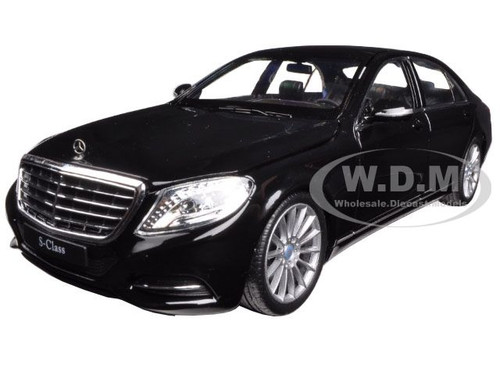
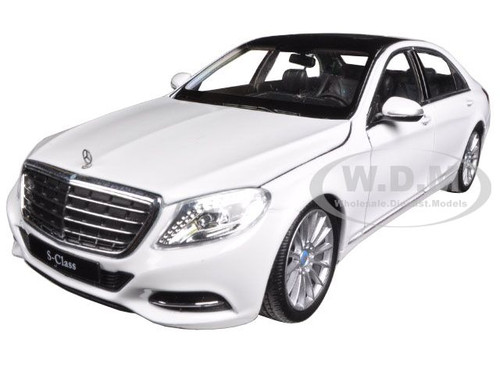
The S-Class represents Mercedes-Benz's flagship luxury sedan tradition. Across generations, S-Class vehicles have introduced or showcased advances in comfort, driver assistance, safety, and automotive technology.
The different generations also offer a useful visual history of luxury-car design. Older S-Class sedans have more formal proportions and traditional detailing, while newer versions feature sculpted bodywork, contemporary lighting, and larger digital displays inside the full-size vehicle.
For diecast collectors, S-Class models suit collections focused on executive cars, luxury automobiles, and the evolution of Mercedes-Benz styling. Choosing a particular generation can be a way to commemorate a favorite era or compare changes in body design over time.
Mercedes-Benz SL Roadsters
The SL name has a long history within Mercedes-Benz, encompassing sports cars and luxury roadsters. Classic SL models, including the 190 SL and 300 SL Roadster, have a different character from later generations, which evolved toward increasingly refined grand-touring performance.
The Mercedes-Benz SL family offers variety in body styling, from vintage chrome details and rounded forms to more modern, aerodynamic designs. Collectors can build a chronological display or focus on a particular generation.
When comparing SL models, check the model designation and body style carefully. Several generations share the SL name but differ substantially in dimensions, styling, and engineering.
Mercedes-Benz C-Class and E-Class
The C-Class and E-Class represent important parts of Mercedes-Benz's passenger-car range. The C-Class is positioned as a compact executive car, while the E-Class has traditionally served the midsize executive segment.
Both lines have evolved through multiple generations, including sedans, wagons, coupes, and performance-oriented versions. Their designs provide a contrast between everyday premium vehicles and the more exclusive sports cars for which Mercedes-Benz is also known.
Diecast versions of these cars can add variety to a collection centered on realistic road vehicles. Collectors may prefer a standard production model, a distinctive historic generation, or a performance version with AMG styling.
Mercedes-Benz G-Class
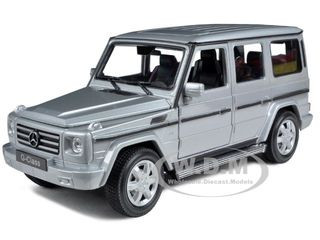
The Mercedes-Benz G-Class began as a rugged off-road vehicle and developed into a distinctive luxury SUV while retaining its recognizable boxy silhouette. Its upright body, exposed hinges on many generations, and prominent wheel arches make it easy to identify.
G-Class diecast models appeal to collectors of SUVs, utility vehicles, and luxury 4x4s. Versions can differ in wheel design, exterior trim, bumpers, and other features, particularly when comparing standard models with AMG variants.
A G-Class model can also complement a collection of Mercedes-Benz sedans and sports cars, illustrating the range of vehicle types associated with the brand.
Mercedes-AMG Performance and Supercars
Mercedes-AMG is the performance-focused division of Mercedes-Benz. Its vehicles combine distinctive styling with more powerful engines, performance-oriented chassis tuning, upgraded brakes, and other features that distinguish them from standard production models.
For diecast collectors, AMG vehicles are particularly appealing because they often feature unique wheels, aggressive bodywork, larger air intakes, rear spoilers, and distinctive badging.
Mercedes-AMG GT
The Mercedes-AMG GT is a high-performance sports car developed around a front-mid-engine layout and rear-wheel-drive architecture in its original generation. Its long hood, wide stance, and sculpted rear give it a distinctive appearance.
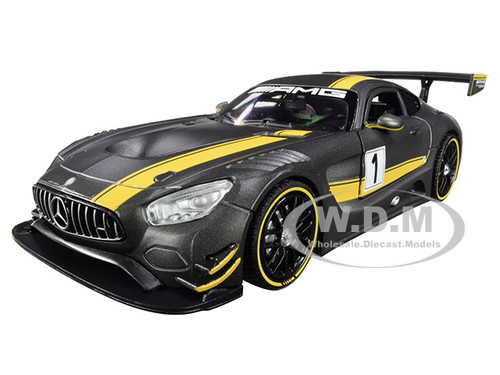
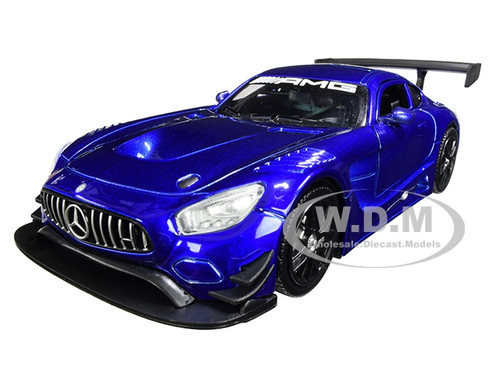
The AMG GT family includes several performance variations, making it useful for collectors interested in comparing standard models with more track-focused versions. Details such as front splitters, rear wings, wheels, and exterior finishes can vary between releases.
Mercedes-Benz SLS AMG
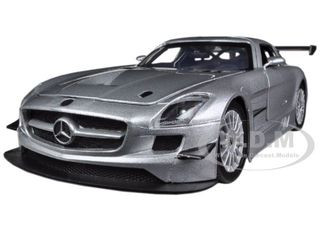
The SLS AMG stands out for its dramatic gullwing doors on the coupe version, a design reference to the classic 300 SL. Its long hood, broad body, and naturally aspirated V8 engine established it as a distinctive modern Mercedes performance car.
A SLS AMG diecast model can connect a contemporary performance-car display with the heritage of the original 300 SL. Collectors should distinguish the gullwing coupe from the roadster, which has a different roof and door configuration.
Mercedes-AMG C 63 and E 63
The AMG versions of the C-Class and E-Class combine executive-car proportions with performance-oriented engineering. Depending on generation, these models have been offered with different engine configurations, body styles, and chassis setups.
Diecast replicas can appeal to collectors who prefer performance sedans and wagons rather than traditional two-door sports cars. They also provide a way to compare standard Mercedes-Benz models with their more aggressive AMG counterparts.
Mercedes-Benz SLR McLaren
The Mercedes-Benz SLR McLaren was developed through a collaboration between Mercedes-Benz and McLaren Automotive. Its design combines grand-touring proportions with motorsport-inspired details, including a long front end and distinctive side vents.
Although the SLR McLaren is not a conventional Mercedes-AMG model, it belongs in a broader collection of notable Mercedes performance cars. Its unusual design and cross-brand heritage make it an interesting subject for collectors of exotic automobiles.
Mercedes-Benz Motorsport and Racing Models
Mercedes-Benz has a long and varied motorsport history, from early Grand Prix competition to modern Formula 1. Racing models offer a different collecting experience from road-car replicas because their liveries, driver names, race numbers, and aerodynamic configurations can identify a particular team, season, or competition.
Formula 1
Mercedes-Benz has competed in Grand Prix racing across several eras. The modern Mercedes-AMG Petronas Formula One Team became a major force in the sport during the hybrid era that began in 2014, winning multiple Drivers' and Constructors' Championships.
Formula 1 diecast models may represent cars associated with drivers such as Lewis Hamilton, Nico Rosberg, Valtteri Bottas, or George Russell, depending on the season and available releases. Each season's car can have changes in bodywork, aerodynamic elements, sponsor placement, and technical configuration.
When selecting a Mercedes Formula 1 model, check the driver, season, car number, and livery. These details matter if you're building a chronological display or collecting cars associated with a particular championship.
Mercedes-Benz Silver Arrows
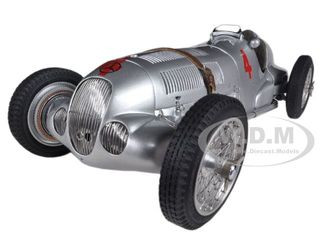
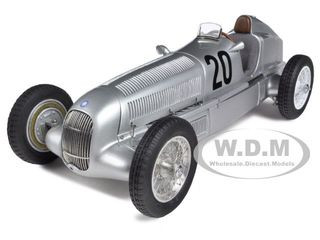
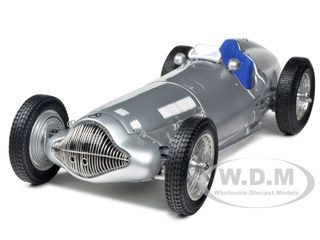
The name Silver Arrows is associated with Mercedes-Benz's historic Grand Prix racing tradition. The nickname became famous in the 1930s and has continued to be associated with the brand's competition identity.
Historic Silver Arrows cars offer a contrast to modern Formula 1 machinery. Their body shapes, exposed wheels on some designs, and period racing details reflect a very different stage in motorsport engineering.
Collectors interested in racing history may choose to display classic Grand Prix cars alongside modern Mercedes Formula 1 models to show how competition-car design has changed over time.
Sports Cars and Endurance Racing
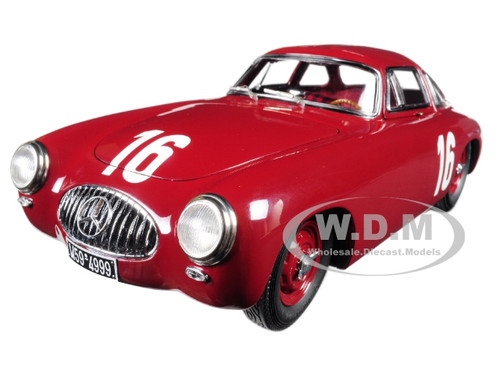
Mercedes-Benz has also competed in sports-car and endurance racing. Its competition history includes legendary vehicles such as the 300 SL racing cars, the Sauber-Mercedes C9, and the Mercedes-Benz CLK GTR.
These cars represent different periods and approaches to racing. The C9 is associated with Group C endurance competition, while the CLK GTR became known through GT racing. Their distinctive bodywork and competition liveries make them appealing subjects for motorsport collections.
Availability varies by model and release, so check the specific product details when searching for a particular racing car or historic livery.
Choosing Mercedes Diecast Model Cars by Scale
Scale is one of the most important factors when selecting a diecast Mercedes model. It determines how large the miniature is compared with the full-size vehicle and helps you plan a consistent display.
-
1:18 scale: A larger display size, often suitable for appreciating body details, wheels, and interiors. Some models include opening doors, hoods, or other features, depending on the release.
-
1:24 scale: A versatile middle size for collectors who want a noticeable model without the footprint of many 1:18 replicas.
-
1:43 scale: A compact format that works well for displaying multiple Mercedes-Benz generations or a broader selection of vehicle types.
-
1:64 scale: A smaller option for compact displays and collections containing many different cars, although availability depends on the specific model.
Not every Mercedes vehicle is produced in every scale. Always check the product listing for the actual scale, dimensions, materials, and features.
If you are building a collection around a particular Mercedes model family, using a consistent scale can create a more uniform display. If your collection is organized around favorite vehicles instead, choosing different scales may offer more flexibility.
What to Look for When Buying a Mercedes Diecast Model
Mercedes diecast cars vary in manufacturer, construction, level of detail, and the exact vehicle they replicate. Before choosing a model, consider the following factors.
-
Exact model and generation: Confirm whether the replica represents a particular year or generation, especially for long-running lines such as the S-Class, E-Class, and SL.
-
Road car or racing version: Check whether the model depicts a production vehicle, a modified AMG variant, or a competition car.
-
Scale and dimensions: Make sure the model fits your display space and complements other vehicles in your collection.
-
Paint finish and markings: Compare the color, wheels, trim, badges, driver identification, and racing livery with the version you want.
-
Construction and features: Review the listing for diecast metal components, plastic parts, opening features, steering, display stands, and other specifications.
-
Manufacturer and release: Different model manufacturers can interpret the same vehicle at different levels of detail. Check the product description and photographs to understand what is included.
These details are especially useful for collectors assembling a series of Mercedes models, recreating a specific racing season, or choosing a gift for someone with a particular favorite car.
Build Your Mercedes-Benz Collection
The breadth of Mercedes-Benz history makes it possible to build a collection around almost any area of automotive interest. Consider these themes:
-
Classic Mercedes cars: Focus on landmark vehicles such as the 300 SL and earlier luxury automobiles.
-
Luxury sedans: Collect different generations of the S-Class, E-Class, and C-Class.
-
AMG performance cars: Bring together AMG sedans, coupes, SUVs, and sports cars.
-
Supercars and exotic models: Explore vehicles such as the SLS AMG, SLR McLaren, and other high-performance Mercedes models.
-
Motorsport history: Collect Silver Arrows, endurance racers, and Formula 1 cars from different seasons.
-
SUVs and off-road vehicles: Focus on the G-Class and other Mercedes utility-oriented models.
A collection can also trace the evolution of Mercedes-Benz design, comparing classic chrome detailing with modern aerodynamic bodywork, or standard road cars with their motorsport counterparts.
Shop Mercedes Diecast Model Cars at Diecast Models Wholesale
From classic Mercedes-Benz automobiles and elegant luxury sedans to AMG performance cars and Formula 1 racers, Mercedes offers a wide range of subjects for diecast collectors. Each model can represent a different part of the brand's engineering, design, and motorsport heritage.
Browse the Mercedes category at Diecast Models Wholesale to explore available collectible cars. Compare model designations, scales, colors, racing liveries, and product specifications to find Mercedes diecast model cars that fit your interests and complement your collection.


 $23.99Was $28.99Save 17%
 $229.99
 $229.99
 $229.99

 $403.99
 $403.99
 $289.99

 $23.99Was $28.99Save 17%



 $353.99
 $317.99
 $307.99
 $23.99Was $28.99Save 17%