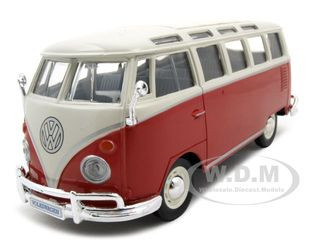
Van diecast models capture a wide variety of vehicles designed to carry people, cargo, equipment, or specialized services. From classic panel vans and Volkswagen Transporters to modern passenger vans, delivery vehicles, camper vans, and custom specialty vans, these vehicles have played an important role in transportation, business, recreation, and popular culture.
At DiecastModelsWholesale.com, the Van category brings together scale models representing different generations, manufacturers, body styles, and uses. Collectors can find subjects ranging from classic American delivery vans and European microvans to modern commercial vans and familiar movie and television vehicles. Depending on the subject and manufacturer, models may be available in scales including 1/12, 1/18, 1/24, 1/32, 1/43, 1/64, and other compact scales.
Vans are particularly interesting collectibles because their designs often reflect the era in which they were produced. A 1960s Volkswagen Type 2, a classic Chevrolet panel van, a 1970s Dodge or Ford van, and a modern Mercedes-Benz Sprinter can look completely different while serving many of the same basic transportation needs.
Types of Van Diecast Models
The term van covers several different vehicle configurations. Some are primarily designed to transport passengers, while others are intended for cargo, deliveries, trades, recreation, or specialized services.
Depending on the model and manufacturer, shoppers may find:
- Panel vans
- Cargo vans
- Passenger vans
- Full-size vans
- Compact vans
- Microvans
- Minivans
- Camper vans
- Delivery vans
- Service and utility vans
- Custom and modified vans
- Police and emergency vans
- Movie and television vans
- Classic Volkswagen vans
- Modern commercial vans
This variety makes van diecast models suitable for many different collecting themes, including classic automobiles, commercial vehicles, transportation history, pop culture, and recreational vehicles.
The History of the Van
The van evolved from the basic idea of creating a vehicle with an enclosed body that could carry people or goods more efficiently than a conventional passenger car.
Early commercial vehicles often consisted of truck or passenger-car chassis fitted with specialized bodies. As manufacturers developed purpose-built commercial vehicles, enclosed vans became increasingly useful for merchants, tradespeople, delivery companies, transportation services, and other businesses.
One of the most influential van designs of the 20th century was the Volkswagen Type 2, introduced in 1950. The vehicle became known by many names, including Transporter, Bus, Microbus, Kombi, and VW Bus. Its compact footprint, rear-engine layout, and flexible body configurations made it useful for commercial transportation and passenger travel.
The Volkswagen Type 2 also became an important cultural symbol. Passenger versions, camper conversions, and customized examples helped establish the van as more than simply a commercial vehicle.
American manufacturers developed their own full-size van market during the 1960s and 1970s. The Ford Econoline, Chevrolet G-Series, and Dodge A-Series became familiar commercial and passenger vehicles, while custom van culture later transformed many of these vehicles with distinctive interiors, graphics, wheels, and accessories.
Modern vans have become increasingly specialized. Today's market includes compact urban delivery vans, large cargo vans, passenger shuttles, camper conversions, electric delivery vehicles, and highly equipped commercial platforms.
Classic Volkswagen Van Models
Volkswagen vans occupy a special place in diecast collecting. The Type 2's distinctive shape makes it immediately recognizable even in small scale.
The first-generation T1 Type 2 was produced beginning in 1950 and was offered in multiple configurations. Panel vans were designed for cargo, while Kombi and Microbus versions were intended for passengers. Camper conversions added sleeping and living accommodations.
The Samba, with its multiple windows and distinctive roof configuration, became one of the most recognizable versions of the early Volkswagen Bus.
Later generations continued the Transporter's evolution while maintaining the basic concept of a practical, versatile van.
For collectors, Volkswagen van models can represent:
- T1 Transporter
- Samba Bus
- Microbus
- Panel van
- Delivery van
- Camper van
- Kombi
- Later-generation Transporters
- Customized and promotional versions
These models can work equally well in automotive, commercial transportation, vintage, or recreational displays.
American Full-Size Vans
American full-size vans became important during the 1960s as businesses and consumers looked for vehicles that could carry more cargo or passengers than a conventional automobile.
The Ford Econoline, Chevrolet G-Series, and Dodge A-Series became major participants in the American van market. Their boxy proportions, compact cab-forward designs, and large cargo areas made them practical for tradespeople and delivery operations.
During the 1970s and 1980s, vans also became associated with custom-van culture. Owners modified vehicles with custom interiors, carpeting, graphics, wheels, windows, and entertainment equipment.
Scale models of these vehicles can therefore appeal to several types of collectors. A stock delivery van may be historically interesting as a commercial vehicle, while a customized van can represent a particular period of automotive culture.
Cargo and Delivery Vans
Cargo vans are designed primarily around enclosed carrying capacity. Their box-shaped bodies allow businesses to transport tools, packages, equipment, parts, and other goods while protecting the contents from weather.
Modern commercial vans include models such as the Ford Transit, Mercedes-Benz Sprinter, Ram ProMaster, and other purpose-built delivery vehicles.
For collectors, cargo vans can represent the evolution of commercial transportation from simple panel vans to highly specialized modern delivery platforms.
Van diecast models can reproduce details such as:
- Sliding side doors
- Rear cargo doors
- Roof configurations
- Wheels and tires
- Mirrors
- Grilles and headlights
- Company graphics
- Utility equipment
- Interior partitions
- Commercial markings
Fleet graphics can make a relatively simple van particularly interesting to collectors because they connect the vehicle to a specific company, service, industry, or period.
Passenger and Shuttle Vans
Passenger vans use the same basic enclosed-vehicle concept but prioritize seating capacity rather than cargo.
These vehicles are commonly used for group transportation, airport and hotel shuttles, schools, businesses, tourism, and private transportation.
Scale models of passenger vans can be collected alongside buses and coaches, although the smaller size and different body configuration make vans a distinct category.
Collectors interested in transportation history may enjoy comparing passenger vans with full-size buses, minibuses, and microbuses to see how manufacturers approached the same basic challenge of moving groups of people.
Camper Vans and Recreational Vans
The van's enclosed body also makes it an excellent platform for recreation.
Camper vans transform a commercial or passenger van into a compact recreational vehicle, sometimes incorporating sleeping areas, kitchens, storage, seating, and other camping equipment.
Volkswagen Transporter camper conversions are among the most recognizable examples, but camper vans have been developed from many different commercial platforms.
Van models can therefore complement recreational vehicle collections and create displays centered on road trips, camping, outdoor recreation, or classic travel.
Collectors may look for details such as:
- Pop-top roofs
- Awning equipment
- Camping windows
- Roof racks
- Spare tires
- Exterior storage
- Period graphics
- Camping accessories
- Interior furnishings
Vans in Movies and Television
Vans have also become closely associated with popular culture.
Their large bodies provide plenty of space for distinctive graphics, custom interiors, and recognizable styling, making them ideal vehicles for films and television programs. Some vans have become collectible subjects in their own right because of their association with particular characters or productions.
This includes customized classic vans, emergency vehicles, delivery vehicles, mystery machines, adventure vehicles, and other fictional or movie-inspired subjects.
For pop-culture collectors, a van diecast model can therefore complement collections focused on automobiles from movies and television rather than fitting exclusively into a traditional commercial-vehicle collection.
Popular Van Manufacturers
Van collectors can organize their collections around manufacturers as well as vehicle types.
Important van subjects include:
- Volkswagen
- Ford
- Chevrolet
- Dodge
- Mercedes-Benz
- GMC
- Ram
- Toyota
- Nissan
- Renault
- Citroën
- Peugeot
European manufacturers have produced numerous compact vans and commercial vehicles, while American manufacturers have historically been particularly important in the full-size van market.
Volkswagen remains especially recognizable among collectors because of the historical importance and distinctive styling of its Transporter family.
Scales of Van Diecast Models
Vans are produced in many different scales, making it possible to build either a detailed large-scale display or a compact collection of multiple vehicles.
1/18 scale models provide a larger format that can showcase body details, interiors, wheels, trim, and opening features when included by the manufacturer.
1/24 scale is another popular format for classic and modern vans. It offers a good balance between physical size and display space.
1/43 scale is well suited to collectors interested in transportation subjects and historical vehicles while maintaining a relatively compact footprint.
1/64 scale provides an especially convenient way to collect multiple vans, including classic commercial vehicles, delivery vans, customized subjects, and compact passenger vehicles.
Other scales may appear depending on the manufacturer and individual product.
When combining vans with other vehicles, matching scale is useful for creating a realistic display. A 1/64 van can be displayed alongside similarly scaled cars and trucks, while a larger 1/18 van can become a centerpiece of a more detailed collection.
What Collectors Look for in Van Models
Vans may have simpler exterior shapes than sports cars, but that does not mean they lack collectible details.
Collectors may pay particular attention to:
- Accurate body proportions
- Generation and model year
- Door configuration
- Windows and roof design
- Wheels and tires
- Grilles and headlights
- Interior layout
- Sliding doors
- Opening rear doors
- Exterior graphics
- Company liveries
- Camping equipment
- Custom modifications
- Movie or television markings
The livery can be especially important with commercial vans. A familiar delivery company, service business, emergency agency, or period advertisement can turn an otherwise ordinary van into a distinctive historical subject.
Building a Van Collection
There are many ways to build a van-focused diecast collection.
A Volkswagen collection could follow the development of the Transporter through different generations. A commercial collection could combine delivery vans, service vans, panel vans, and trucks. A classic collection could focus on American vans from the 1960s through the 1980s.
Collectors interested in recreation can combine camper vans with RV models, while those interested in transportation can display vans alongside bus, truck, and trailer models.
A pop-culture collection can take another approach by bringing together movie and television vans with other famous vehicles from the same productions.
Start Collecting Van Diecast Models
From iconic Volkswagen buses and classic American vans to modern cargo vehicles, passenger vans, camper conversions, and movie-inspired subjects, van diecast models offer a diverse range of collecting possibilities.
Browse the Van category at DiecastModelsWholesale.com to explore classic and modern van models, compare scales and manufacturers, and find the vehicles that fit your collection, display, or favorite automotive theme.



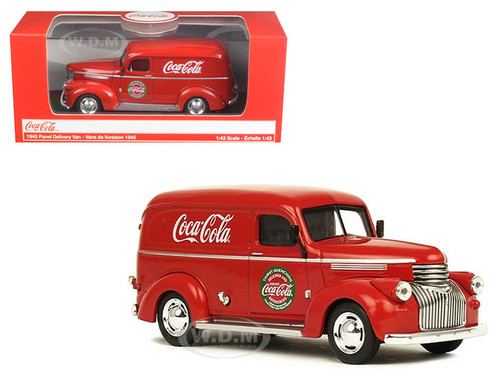
 $18.99