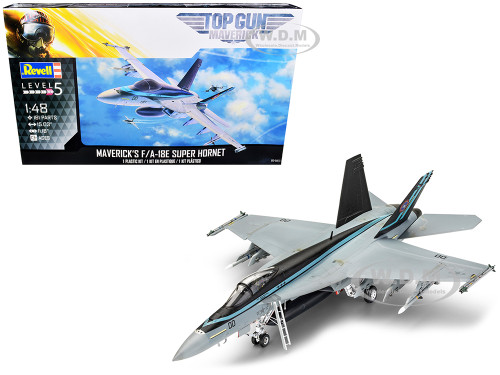
Aviation Diecast Models
The Aviation category at DiecastModelsWholesale.com features collectible scale models representing the aircraft and aviation subjects that have shaped the history of flight. From early propeller aircraft and commercial airliners to military aircraft, helicopters, and specialized aviation vehicles, this category brings the world of aviation into a compact display format.
Aviation diecast models appeal to a wide range of collectors. Some focus on commercial airlines and aircraft types, while others collect military aviation, historic aircraft, helicopters, manufacturers, specific pilots, or particular eras. Others simply appreciate the engineering and distinctive appearance of airplanes and want detailed aircraft models for display.
The history of aviation itself provides an enormous collecting field. The Smithsonian's National Air and Space Museum maintains collections covering early flight, military aviation, commercial aviation, propulsion, aircraft design, and other aspects of aeronautical history. Its model-aircraft collection alone documents aircraft designs ranging from early pioneers through modern aviation.
What You'll Find in Aviation Diecast
The Aviation category can encompass many different types of aircraft and aviation-related subjects, depending on current inventory. Shoppers may find:
- Commercial airliners
- Passenger aircraft
- Cargo aircraft
- Military aircraft
- Fighter aircraft
- Bombers
- Transport aircraft
- Helicopters
- Propeller aircraft
- Jet aircraft
- Historic aircraft
- General aviation aircraft
- Specialty and utility aircraft
- Aircraft representing specific airlines
- Aircraft representing specific military services or operators
The category can therefore work for both specialized collectors and shoppers who are simply looking for an airplane model that represents a favorite aircraft, airline, manufacturer, or period in aviation history.
A Brief History of Aviation
The development of powered flight was the result of decades of experimentation with aerodynamics, propulsion, materials, and aircraft control.
On December 17, 1903, Orville and Wilbur Wright achieved controlled, powered flight with the Wright Flyer at Kitty Hawk, North Carolina. The Smithsonian identifies that flight as the beginning of the modern era of powered aviation.
The Wright Flyer was only the beginning. Aircraft design advanced rapidly during the first decades of the 20th century, with improvements in engines, propellers, structural materials, flight controls, and aerodynamics. The Smithsonian's aviation collections document how quickly aircraft evolved during this period.
From Propellers to Jet Engines
Early aircraft were powered primarily by piston engines driving propellers. The introduction of gas turbine engines during the 1940s marked another major technological change, allowing aircraft designers to develop increasingly powerful and faster jet-powered aircraft.
This transition creates an interesting distinction for aviation collectors. A vintage propeller aircraft and a later jet airliner may represent only a few decades of technological development, yet their appearance, propulsion, performance, and operating roles can be dramatically different.
A collection spanning both periods can therefore serve as a miniature history of aviation technology.
Commercial Aviation Diecast Models
Commercial aviation is one of the largest areas of aircraft collecting. Airliners connect aviation history with the development of modern transportation and international travel.
The Smithsonian's America by Air exhibition traces the history of U.S. commercial aviation from the early airmail era through the development of the airline industry and later generations of passenger aircraft. Its collection includes aircraft models representing multiple decades of commercial aviation.
Commercial aviation diecast models can represent:
- Narrow-body passenger aircraft
- Wide-body airliners
- Regional aircraft
- Turboprop airliners
- Cargo and freighter aircraft
- Historic passenger aircraft
- Airline-specific liveries
Collecting by Airline
Airline collectors often focus on the combination of aircraft type and airline livery.
The same aircraft type can look completely different when operated by different airlines. Tail colors, logos, titles, registration markings, special schemes, and other details make each version a distinct collectible.
This makes airline diecast especially suitable for collections organized around a particular airline, aircraft family, country, or era.
Collecting by Aircraft Type
Another approach is to collect different airlines operating the same aircraft type.
For example, a collector might focus on one Boeing or Airbus aircraft family and build a display showing how the aircraft appeared in different airline liveries. This approach combines aircraft history with commercial airline history.
Military Aviation Diecast Models
Military aviation is another major area of aircraft collecting. Military aircraft have been developed for specialized missions including air superiority, ground attack, reconnaissance, transport, aerial refueling, electronic warfare, and other roles.
The Smithsonian's National Air and Space Museum identifies World War I as a formative period in military aviation, while its collections continue through later generations of military aircraft.
Military aircraft models can represent many different categories, including:
- Fighter aircraft
- Bombers
- Attack aircraft
- Transport aircraft
- Reconnaissance aircraft
- Patrol aircraft
- Tanker aircraft
- Trainer aircraft
- Helicopters
- Specialized military aircraft
For collectors, the aircraft's markings can be as important as the aircraft itself. Squadron insignia, national markings, tactical codes, camouflage schemes, unit markings, and other details can identify a particular operator or period.
Propeller Aircraft and Historic Aviation
Propeller-driven aircraft remain important subjects for aviation collectors because they represent some of the earliest and most influential stages of powered flight.
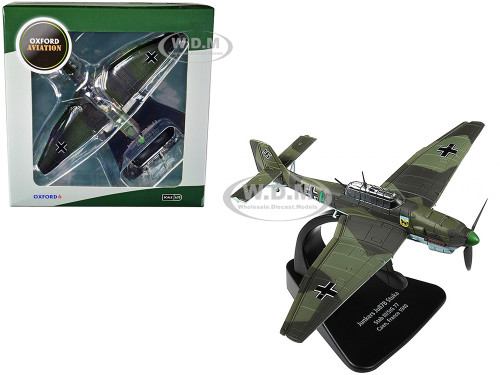
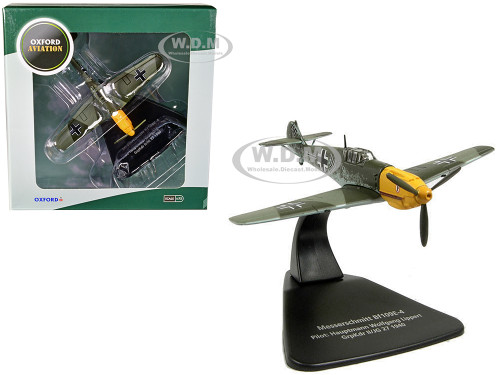
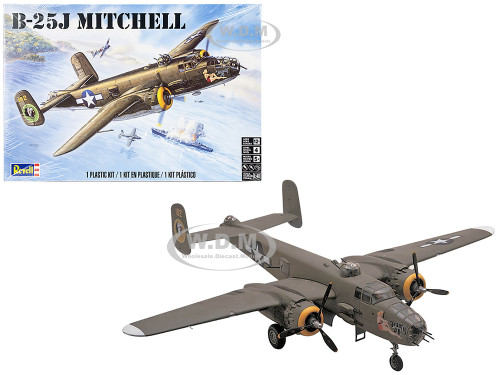
Historic aircraft can include early biplanes, military aircraft from the First and Second World Wars, postwar propeller aircraft, classic airliners, and general aviation aircraft.
These models can be especially appealing to collectors who are interested in aviation history rather than only contemporary aircraft.
The Smithsonian's propulsion collection illustrates the evolution from early piston and propeller systems toward gas turbine propulsion, providing useful historical context for the dramatic changes represented by different aircraft models.
Jet Aircraft and the Modern Aviation Era
The development of jet propulsion changed both military and commercial aviation. Jet aircraft could achieve higher speeds and operate at altitudes and ranges that opened new possibilities for passenger travel and military operations.
For collectors, the jet age offers a wide range of recognizable aircraft, from early-generation jetliners to modern commercial aircraft and high-performance military jets.
A modern aviation collection might therefore include both the first generations of jet aircraft and later designs, allowing collectors to compare changes in:
- Wing design
- Engine placement
- Fuselage shape
- Cockpit design
- Aircraft size
- Tail configuration
- Aerodynamic features
- Airline or military markings
Helicopter Diecast Models
Helicopters occupy a separate place within aviation because their vertical-lift capability allows them to operate in environments where conventional fixed-wing aircraft cannot.
Helicopters are used for transportation, emergency services, military operations, law enforcement, search and rescue, utility work, and other specialized missions.
Their distinctive rotor systems and compact fuselage designs also make helicopter models visually different from airplane collectibles. A collection can focus entirely on helicopters or combine them with fixed-wing aircraft to represent different areas of aviation.
Aircraft Manufacturers
Aviation collectors can organize their collections around aircraft manufacturers just as automotive collectors collect automobile brands.
Major aircraft manufacturers and aviation companies have produced aircraft for very different purposes and periods. Depending on the available models, collectors may encounter aircraft associated with manufacturers such as Boeing, Airbus, Lockheed, Douglas, McDonnell Douglas, North American Aviation, Grumman, Bell, Sikorsky, Cessna, Piper, and others.
Manufacturer-focused collecting can be particularly interesting when a company has produced multiple aircraft generations.
For example, a collection might follow a manufacturer from early piston-powered aircraft through turboprops and eventually to modern jet aircraft.
Aviation Diecast Scales
Scale is especially important when collecting aircraft because real airplanes vary enormously in size.
Common aircraft-model scales include:
- 1/72 — A widely recognized scale for aircraft models, particularly military and historic subjects
- 1/100 — A useful intermediate display scale
- 1/144 — A popular scale for many commercial and military aircraft
- 1/200 — Frequently used for airline and aircraft display models
- 1/400 — Compact scale suited to large airline collections
- 1/500 — Smaller aircraft models useful for larger displays
Other scales may also be available depending on the manufacturer and aircraft.
Larger aircraft models provide more space for details such as landing gear, engines, cockpit windows, antennas, and livery graphics. Smaller scales make it possible to display many aircraft without requiring a large amount of shelf space.
When building an aviation collection, keeping models in a consistent scale can make the display more visually cohesive.
Collecting Aircraft by Era
Aviation diecast models can also be organized chronologically.
A collection might include:
- Early aviation and pioneering aircraft
- World War I aircraft
- Golden Age and interwar aviation
- World War II aircraft
- Early postwar aircraft
- The early jet age
- Cold War aviation
- The development of wide-body airliners
- Modern commercial aviation
- Contemporary military and specialty aircraft
This approach allows the collection to tell a story about the development of aviation rather than simply displaying individual airplanes.
Collecting by Airline, Operator or Service
Another way to create a focused aviation collection is to concentrate on the organization that operated the aircraft.
Commercial collectors may focus on a favorite airline or national carrier. Military collectors may concentrate on an air force, navy, marine service, or other operator. Civil aviation collectors may focus on a particular company or type of aircraft operation.
The combination of aircraft type, registration or identification markings, and operator livery can make each model highly specific.
Choosing an Aviation Diecast Model
When selecting an aircraft model, consider several details beyond the aircraft's name.
Aircraft Type
Check the exact aircraft designation. Similar aircraft can belong to different variants or generations, and small differences can be important to collectors.
Operator and Livery
For airline models, verify the airline, livery, and aircraft registration when those details are provided.
Military Markings
For military aircraft, look for the correct service, unit, squadron, camouflage scheme, and identification markings if those details matter to your collection.
Era
Determine whether the model represents a historic aircraft, a particular production period, or a modern configuration.
Scale
Consider whether the model will be displayed alongside other aircraft. Matching scales can be especially useful when building an airport, military flight line, or aviation-themed display.
Building an Aviation Display
Aircraft models can be displayed individually or incorporated into larger scenes.
A commercial aviation display could feature multiple airliners from different airlines alongside airport accessories. A military display might combine fighters, transports, helicopters, and support aircraft. A historical collection could arrange aircraft chronologically to demonstrate changes in aviation technology.
Because aircraft models are displayed in three dimensions, collectors can also experiment with different display angles and formations. Wall-mounted shelves, glass cabinets, dedicated aircraft stands, and airport-style dioramas can all provide effective ways to display aviation models.
Why Collect Aviation Diecast Models?
Aviation diecast combines engineering, transportation history, industrial design, military history, airline history, and collecting in one hobby.
An early aircraft can represent the pioneering years of powered flight. A classic airliner can document the development of commercial air transportation. A military aircraft can represent a particular technological era or operational role. A modern jet can demonstrate how far aircraft design has progressed.
The Smithsonian's collections demonstrate the breadth of aviation history, preserving aircraft and models covering early flight, military aviation, commercial transportation, propulsion, and technological development.
For collectors, that breadth means there is no single way to build an aviation collection.
Shop Aviation Diecast Models
Whether you are searching for a commercial airliner, military aircraft, helicopter, historic airplane, modern jet, propeller aircraft, or airline-specific model, the Aviation category provides a place to explore a broad range of collectible aircraft.
Browse the Aviation category at DiecastModelsWholesale.com to discover available aviation diecast models and build your collection around your favorite aircraft, airlines, manufacturers, operators, historical eras, and scales.








 $36.99


 $34.99