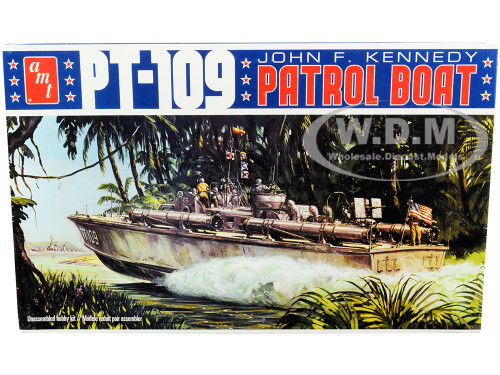
Military diecast models can be collected in many different ways, and country of origin provides one of the most useful ways to organize a collection. The Country category brings together military vehicles and equipment according to the nation associated with the original subject, helping collectors explore differences in military engineering, vehicle design, markings, camouflage, and historical development.
Military equipment reflects the industrial capabilities, geography, military requirements, and technology of the country that designed and operated it. A World War II German tank, an American military truck, a British armored vehicle, a Soviet-era tank, or a modern Japanese utility vehicle can have very different proportions, configurations, markings, and equipment even when designed for similar purposes.
At DiecastModelsWholesale.com, the Country category is intended to help collectors browse military diecast models by national origin and discover subjects connected with different armies, air forces, navies, and military traditions.
Military Diecast Models by Country
Country-based collecting can cover virtually every major type of military equipment. Depending on the available model, shoppers may find vehicles associated with countries such as:
- United States
- Germany
- United Kingdom
- France
- Italy
- Japan
- Soviet Union and Russia
- China
- Australia
- Canada
- Other European and international military powers
The country associated with a model can refer to the nation that designed, manufactured, operated, or historically identified with the original vehicle. This distinction can matter for collectors because military equipment was often exported, licensed, captured, transferred between allies, or used by multiple nations.
For example, a vehicle originally developed in one country may later appear in the markings of another country's armed forces. When collecting by country, it can therefore be useful to consider both the vehicle's manufacturer and the specific military operator represented by the model.
Why Country Matters in Military Collecting
National military organizations developed equipment according to their own strategic requirements, available manufacturing technology, geography, budgets, and operational experience.
These differences can be visible in surprisingly small details. Vehicle dimensions, suspension arrangements, armor layouts, engine placement, turret design, cargo bodies, tires, tracks, communications equipment, and crew accommodations can all vary between national designs.
The Smithsonian's military collections illustrate how national identity is an important part of military history, with collections covering ordnance, uniforms, insignia, flags, equipment, technology, and other objects associated with armed forces.
For diecast collectors, this makes country a useful organizing principle alongside vehicle type, manufacturer, historical period, and scale.
United States Military Models
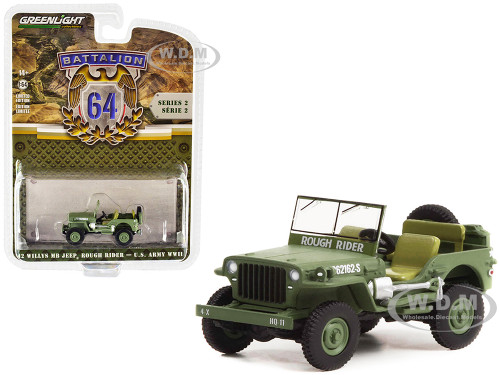
American military vehicles provide a broad range of subjects for diecast collectors. U.S. military equipment has included tactical vehicles, cargo trucks, jeeps, armored vehicles, tanks, aircraft, helicopters, naval vessels, and specialized support equipment.
The development of American military transportation accelerated during the 20th century as armed forces became increasingly motorized. World War II was particularly significant, with American industrial production supplying large numbers of trucks, armored vehicles, aircraft, and other equipment. The Smithsonian's collections document the technological and industrial history of American armed forces across multiple periods.
Collectors may encounter models representing subjects associated with the U.S. Army, U.S. Marine Corps, U.S. Air Force, U.S. Navy, and other American military organizations.
German Military Models
German military equipment is another important area of historical collecting, particularly for models representing the first and second World Wars and later periods.
German armored vehicles from World War II included tanks, assault guns, armored personnel carriers, half-tracks, and reconnaissance vehicles. Later German designs continued to evolve during the Cold War and modern era.
Historical identification of military vehicles was important enough that wartime military intelligence publications included dedicated identification manuals for German and other foreign armored vehicles. The Smithsonian archives preserve a 1941 U.S. military intelligence manual specifically covering the identification of German, Japanese, Russian, Italian, and French armored vehicles.
For collectors, this history makes vehicle designation, configuration, markings, and production period especially useful when identifying German military diecast models.
British Military Models
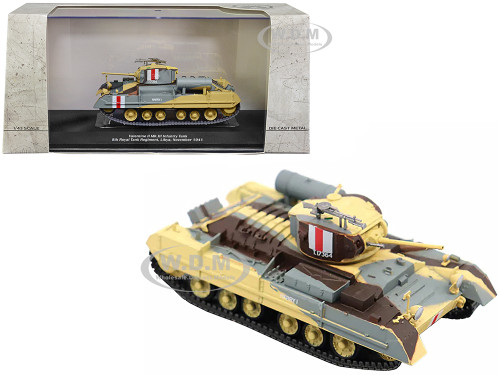
British military equipment represents another broad collecting category, spanning early armored vehicles, World War I tanks, World War II vehicles, Cold War equipment, modern armored vehicles, military trucks, aircraft, and other specialized machines.
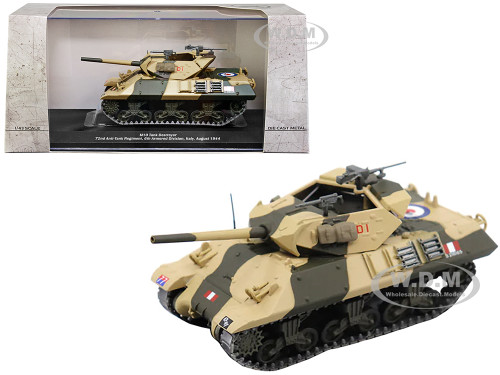
British military history also intersects with the equipment of Commonwealth nations and allied forces. Aircraft and military vehicles can therefore carry markings that reflect not only the original manufacturer but also the particular air force, army, or unit that operated them.
National insignia and military markings can be important identifying features. Historical collections such as those maintained by the Smithsonian document the use of national and military flags, unit insignia, and other identifying objects alongside military equipment.
French, Italian and Other European Military Models
European military collecting extends well beyond British and German subjects. France, Italy, and other European nations developed their own tanks, armored vehicles, trucks, aircraft, artillery systems, and specialized equipment.
Military technology also moved across national borders through alliances, exports, captured equipment, and postwar transfers. As a result, a vehicle's national history may be more complicated than simply identifying where it was manufactured.
This makes European military diecast models particularly interesting for collectors who enjoy researching the relationship between manufacturer, military operator, historical period, and vehicle configuration.
Japanese Military Models
Japanese military models provide another important area of historical collecting, particularly for subjects from the early 20th century through World War II and into the postwar period.
Japanese military equipment included tanks, armored vehicles, trucks, aircraft, naval vessels, and specialized equipment. The Smithsonian's archival holdings include historical military intelligence material specifically devoted to identifying Japanese armored vehicles, illustrating the importance of distinguishing national vehicle designs during World War II.
Collectors interested in Japanese subjects can examine vehicle design, national markings, camouflage, equipment configuration, and the historical period represented by a particular model.
Soviet and Russian Military Models
Soviet and Russian military vehicles form another substantial area of military diecast collecting.
Soviet-era designs are particularly recognizable for their development of tanks, armored personnel carriers, artillery vehicles, military trucks, and other equipment. Later Russian military equipment continued to evolve from Soviet engineering traditions while incorporating newer electronics, armor, mobility systems, and other technologies.
Collectors can compare Soviet and Russian designs with military equipment from the United States, Germany, Britain, France, Japan, and other countries to see how different engineering approaches addressed similar military requirements.
Military Models by Vehicle Type
Country is only one way to organize a military collection. Vehicle type provides another important classification.
Military diecast models may represent:
Tanks and Armored Fighting Vehicles
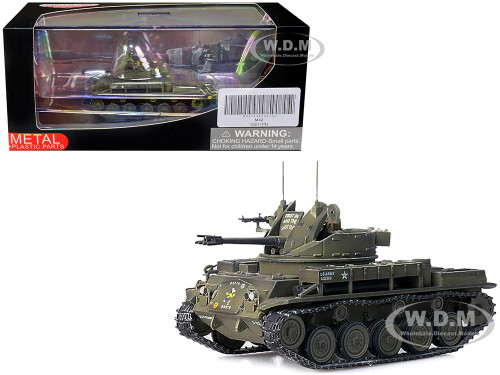
Tank models and armored fighting vehicles are among the most recognizable military subjects. Collectors can compare turret designs, armor configurations, suspension systems, tracks, guns, and vehicle proportions between countries and historical periods.
Explore Tanks & AFVs for dedicated armored vehicle subjects.
Military Trucks
Military trucks perform transportation and logistics duties, carrying personnel, fuel, ammunition, food, equipment, and other supplies. Their designs can range from simple utility trucks to specialized vehicles with communications, recovery, engineering, or cargo equipment.
Military Aircraft
Military aircraft provide another way to compare national engineering. Fighter aircraft, bombers, transport aircraft, reconnaissance aircraft, trainers, and other military airplanes can be collected according to country, aircraft manufacturer, operator, or historical period.
The Aircraft & War Planes category provides a dedicated place to explore military aircraft subjects.
Military Helicopters
Helicopters introduced additional capabilities for transport, observation, rescue, utility operations, and other military missions. Different countries developed distinctive helicopter designs and operating doctrines.
Collectors can also explore Helicopter Diecast Models separately.
Military Ships and Boats
Naval collecting adds ships, patrol craft, landing vessels, submarines, and other military maritime subjects. These can be organized by country, navy, class, historical era, or vessel type.
The Ships & Boats category provides another area for military maritime models.
Military Markings, Flags and Camouflage
One of the most interesting aspects of country-based military collecting is the visual information carried by a model.
National insignia, flags, unit markings, identification numbers, camouflage patterns, and aircraft markings can help identify the country and period represented by a vehicle.
For aircraft in particular, markings can include national roundels, squadron insignia, unit symbols, aircraft names, nose art, and mission markings. Smithsonian archival material documenting World War II aircraft, for example, includes photographs showing nose art, nicknames, unit insignia, mission marks, and victory marks.
These details give collectors another way to distinguish models that may otherwise have similar shapes or configurations.
Collecting Military Diecast Models by Country
A country-based collection can be organized in several different ways. Some collectors concentrate on one nation, while others compare military technology across multiple countries.
Possible collecting themes include:
- U.S. military vehicles
- German military vehicles
- British military vehicles
- French military vehicles
- Italian military vehicles
- Japanese military vehicles
- Soviet military vehicles
- Russian military vehicles
- European military vehicles
- Modern military vehicles by country
- World War II vehicles by country
- Military aircraft by country
- Tanks and armored vehicles by country
- Military trucks by country
Another approach is to choose a specific historical period and compare equipment from different nations during that era. This can make it easier to understand how similar military requirements produced very different vehicle designs.
Choosing a Country-Based Military Collection
When shopping for military diecast models by country, consider several identifying details:
- Country of origin: Where the vehicle was designed or manufactured
- Military operator: Which nation's armed forces used the vehicle
- Historical period: World War I, World War II, Cold War, or modern era
- Vehicle type: Tank, truck, armored vehicle, aircraft, helicopter, or other equipment
- Manufacturer: The company or organization responsible for the original vehicle
- Markings: Flags, insignia, unit markings, and registration numbers
- Camouflage: Period- and operator-specific paint schemes
- Scale: Important when displaying models from different countries together
The exact country represented by a model should ideally be considered together with the vehicle's specific version and historical markings. A military vehicle may have served several countries during its operational life, so the same basic vehicle can legitimately appear in different national collections.
Military Diecast Scales
Military diecast models are available in a variety of scales depending on the vehicle and manufacturer. Common scales encountered by collectors include:
- 1/18 scale — larger display models with substantial visual presence
- 1/24 scale — popular for detailed military vehicle displays
- 1/32 scale — useful for vehicles and dioramas
- 1/35 scale — widely associated with military modeling
- 1/43 scale — compact and suitable for broader collections
- 1/48 scale — frequently associated with military aircraft and related subjects
- 1/64 scale — convenient for compact displays and larger collections
Matching scale can be especially useful when creating a historical diorama or displaying vehicles from several countries together.
Explore Military Diecast Models by Country
Country-based collecting gives military diecast enthusiasts a way to explore differences in vehicle engineering, military history, markings, and technology across nations. Whether your interest is a particular country, historical period, vehicle type, or scale, organizing military models by national origin can add another layer of context to a collection.
Browse the Country category at DiecastModelsWholesale.com to explore military diecast models associated with different nations and discover vehicles, aircraft, armored equipment, and other military subjects that fit your collection.