Discover North American diecast aircraft models inspired by one of the most influential American aerospace manufacturers of the 20th century. Known for developing legendary aircraft such as the P-51 Mustang, B-25 Mitchell, T-6 Texan, F-86 Sabre, and F-100 Super Sabre, North American Aviation played an important role in the development of military aviation before, during, and after World War II.
The North American category at Diecast Models Wholesale is intended for aviation enthusiasts, military aircraft collectors, and hobbyists searching for miniature replicas of aircraft designed or manufactured by North American Aviation. Depending on current product availability, models may include World War II fighters and bombers, military trainers, Korean War-era jet fighters, advanced experimental aircraft, and other historically significant aircraft.
North American Aviation's designs represent several major transitions in aviation history. The P-51 Mustang became renowned for its long-range fighter capabilities, the B-25 Mitchell served in numerous bombing roles during World War II, and the F-86 Sabre became one of the best-known jet fighters of the Korean War. Later projects, including the X-15 and XB-70 Valkyrie, explored the boundaries of high-speed and high-altitude flight.
Whether you collect World War II aircraft, classic American military airplanes, Cold War jets, or experimental aviation models, North American diecast aircraft offer a way to explore the engineering achievements that shaped modern aerospace history.
The History of North American Aviation
North American Aviation was established in 1928 and initially operated as an aviation holding company. Following changes in the American aviation industry during the 1930s, the company developed into an aircraft manufacturer under the leadership of James H. "Dutch" Kindelberger.
During the years leading up to World War II, North American Aviation expanded its aircraft development and manufacturing operations. Its products included military trainers and increasingly advanced combat aircraft for the United States and its allies.
World War II brought substantial demand for American military aircraft. North American Aviation became particularly well known for producing the P-51 Mustang fighter, B-25 Mitchell medium bomber, and T-6 Texan trainer. These aircraft served different purposes but collectively demonstrated the company's ability to develop machines for fighter operations, bombing missions, and pilot training.
After the war, North American Aviation adapted to the changing requirements of military aviation. Jet propulsion became increasingly important, and the company developed new fighters, bombers, trainers, and experimental aircraft. The F-86 Sabre and F-100 Super Sabre became major examples of its postwar fighter development.
The company's work eventually extended beyond conventional aircraft into advanced research aircraft, space systems, and other aerospace projects. North American Aviation became part of North American Rockwell in 1967, and the organization later became Rockwell International.
For diecast collectors, this history provides a diverse range of subjects. From propeller-driven fighters and bombers to swept-wing jets and experimental aircraft, North American Aviation produced designs that represent several distinct eras of aerospace development.
North American P-51 Mustang Diecast Models
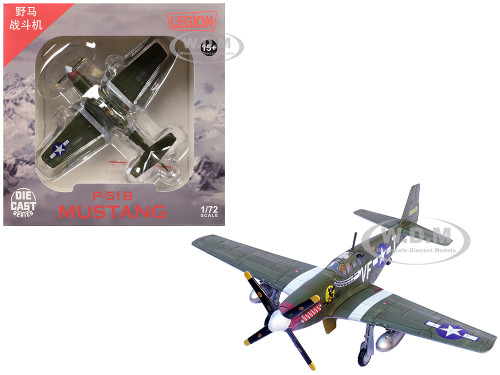
The North American P-51 Mustang is among the most recognizable American fighter aircraft of World War II. Developed in response to a British requirement for a new fighter, the Mustang first flew in 1940 and entered operational service with Allied forces during the early years of the war.
Early Mustangs used Allison engines, while later versions fitted with Packard-built Rolls-Royce Merlin engines offered greatly improved high-altitude performance. The resulting combination of speed, range, and combat capability made the P-51 an important long-range escort fighter.
The Mustang became particularly significant during the Allied air campaign over Europe, where it helped escort heavy bombers on missions deep into enemy territory. Other versions served as fighter-bombers and performed tactical ground-attack missions.
P-51D Mustang
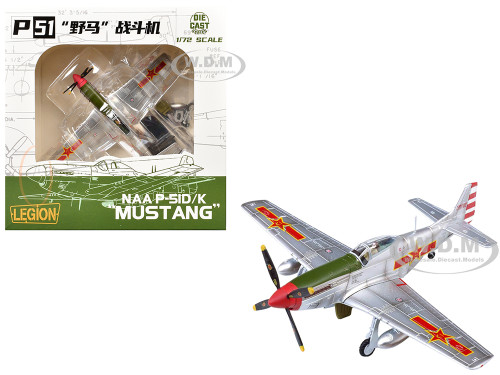
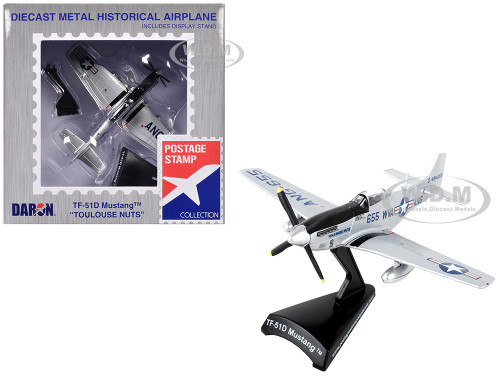
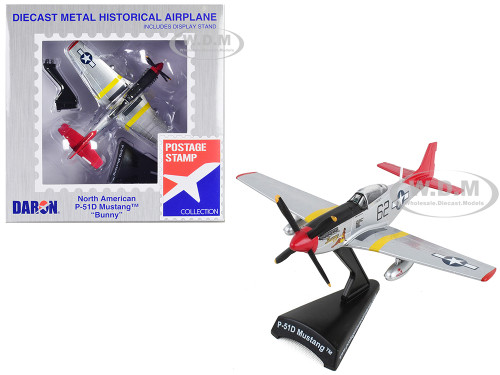
The P-51D is one of the most recognizable Mustang variants. Its distinctive bubble canopy provided improved visibility, while its six .50-caliber machine guns and powerful Merlin engine made it a formidable fighter.
P-51D diecast aircraft models are popular subjects for collectors because of their familiar silhouette, long nose, low-mounted wings, and extensive variety of historical markings. Replicas may depict aircraft associated with particular pilots, units, theaters of operation, or postwar air forces.
When choosing a P-51D model, consider its squadron markings, nose art, color scheme, and represented aircraft identity. These details allow collectors to distinguish different historical aircraft even when the underlying model is the same variant.
Other P-51 Mustang Variants
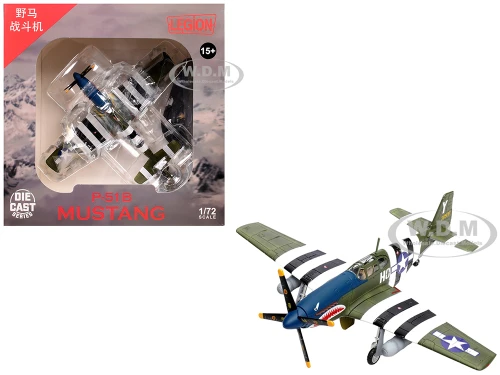
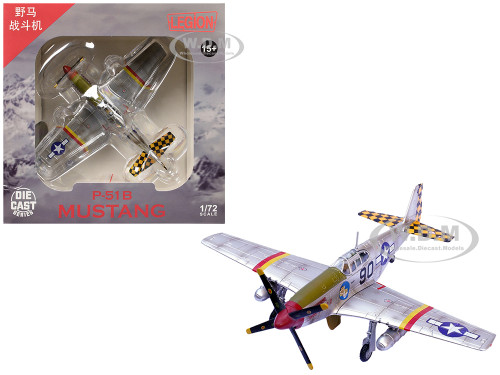
North American developed several Mustang variants, including the P-51B, P-51C, P-51D, and P-51H. The company also produced the A-36 Apache, a Mustang-derived ground-attack aircraft.
These variants differ in canopy design, wing details, armament, engine configuration, and other features. Collectors interested in accuracy should check the full aircraft designation rather than relying only on the general Mustang name.
A North American P-51 model can complement other World War II fighters and provide a centerpiece for a collection focused on American aviation.
North American B-25 Mitchell Bomber Models
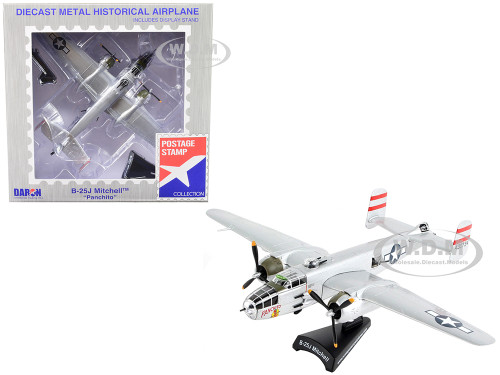
The B-25 Mitchell was a twin-engine medium bomber developed by North American Aviation during the late 1930s. It first flew in 1939 and entered service with the United States Army Air Forces during World War II.
The aircraft became famous for its versatility and ability to operate in several roles. Different B-25 variants were used for conventional bombing, low-level attacks, maritime operations, reconnaissance, and other missions. Some versions carried substantial forward-firing armament for specialized attack duties.
The B-25 gained particular historical prominence through the Doolittle Raid against Japan in April 1942. The mission demonstrated the strategic reach of American carrier-based operations, as modified B-25s launched from the aircraft carrier USS Hornet for attacks on targets in Japan.
B-25 Mitchell Diecast Models
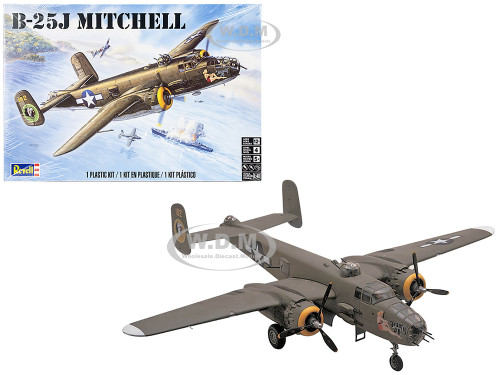
B-25 diecast aircraft models appeal to collectors interested in World War II bombers and historic American military aviation. The twin-engine configuration, glazed nose on many versions, twin tails, and substantial wingspan make the aircraft visually distinctive.
Different variants can have very different exterior appearances. Models may depict glass-nosed bombers, strafer configurations, or aircraft with other specialized nose arrangements.
Collectors should review the variant, unit markings, camouflage, and represented mission when comparing B-25 replicas. These features help identify the particular aircraft and its place in the history of the bomber.
A North American B-25 Mitchell model can also complement fighter aircraft such as the P-51 Mustang, giving a display a broader representation of American air power during World War II.
North American T-6 Texan Trainer Models
The North American T-6 Texan was one of the most widely used advanced military training aircraft of its era. Developed from the company's earlier training designs, it first flew in the late 1930s and entered service before the United States joined World War II.
The T-6 was used to prepare pilots for more advanced aircraft, helping them develop skills in navigation, formation flying, instrument procedures, and basic combat maneuvers. Its handling characteristics made it a valuable bridge between primary training aircraft and front-line combat machines.
Different versions operated under different designations. The aircraft was known as the SNJ in United States Navy service and as the Harvard in several Commonwealth air forces.
Why Collect T-6 Texan Models?
The T-6 represents an important but different aspect of military aviation from fighters and bombers. It illustrates the training systems that prepared generations of military pilots for operational service.
Diecast T-6 models may feature different national markings, camouflage schemes, and training-unit liveries. Collectors can compare aircraft from the United States and other countries that operated the Texan or its related versions.
The T-6 is also recognizable for its radial-engine nose, low wings, tandem cockpit, and conventional tail configuration. These features make it an interesting addition to a collection of historic military aircraft.
North American F-86 Sabre Jet Models
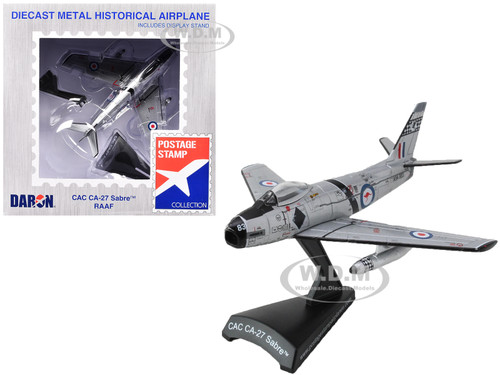
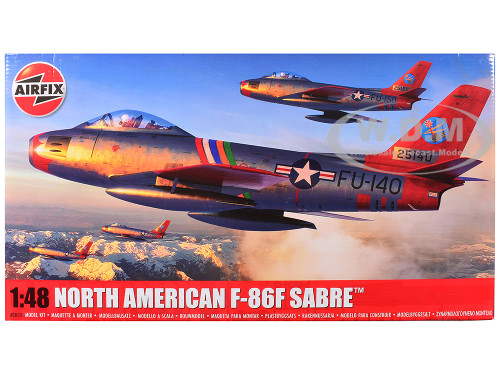
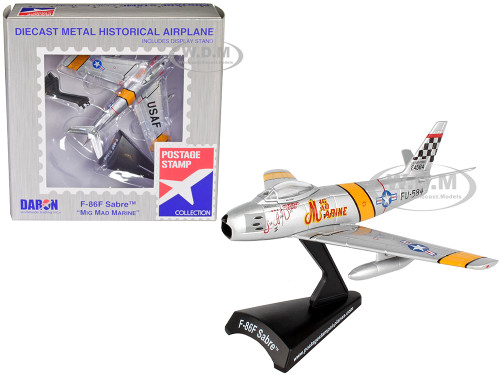
The North American F-86 Sabre was one of the defining jet fighters of the early Cold War. Developed after World War II, it incorporated swept-wing design features that improved its performance at high speeds.
The F-86 entered United States Air Force service in 1949 and became especially well known during the Korean War. It engaged Soviet-designed MiG-15 fighters in some of the period's most significant jet-versus-jet combat.
The Sabre served with several air forces and was produced in multiple versions. Changes across the family included improvements to flight controls, armament, radar equipment, and other systems.
F-86 Sabre Diecast Aircraft
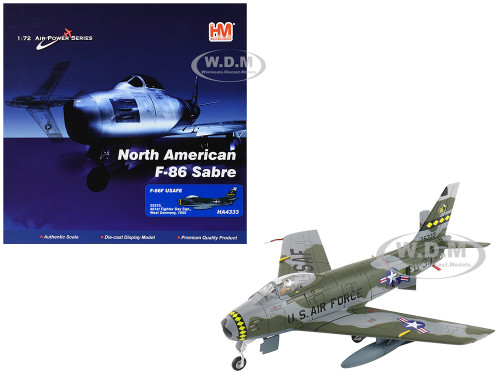
An F-86 Sabre diecast model is an appealing choice for collectors interested in Korean War aviation and early jet development. Its swept wings, pointed nose, and streamlined fuselage distinguish it from the propeller-driven fighters that preceded it.
Collectors may encounter models depicting United States Air Force aircraft, international operators, or specific historical units. Some replicas represent aircraft flown by particular pilots, while others focus on standard operational markings.
When selecting an F-86 model, confirm the variant and represented operator. The F-86A, F-86E, F-86F, and specialized versions have differences that may matter to collectors seeking a historically accurate miniature.
North American F-100 Super Sabre Models
The F-100 Super Sabre was developed as a successor to the F-86 and became the first production fighter capable of supersonic flight in level flight. Its first flight took place in 1953, marking an important milestone in American fighter development.
The aircraft featured swept wings, a powerful turbojet engine, and a more advanced airframe than earlier subsonic fighters. Different versions served in fighter, fighter-bomber, and other roles.
The F-100 later became closely associated with American operations during the Vietnam War, where it performed ground-attack and close-support missions.
Collecting the F-100
F-100 Super Sabre models appeal to enthusiasts interested in the transition from early jet fighters to supersonic military aircraft. The aircraft's angular shape, prominent air intake, and swept-wing configuration make it particularly recognizable.
Different variants may display different armament arrangements, camouflage, markings, or external equipment. Reviewing the exact designation is useful when comparing miniature F-100A, F-100C, F-100D, and F-100F aircraft.
An F-100 model can complement an F-86 Sabre in a collection, showing how North American Aviation evolved its jet fighter designs from the late 1940s into the 1950s.
Other Notable North American Aircraft
North American Aviation produced many additional aircraft that broaden the possibilities for collectors.
North American T-28 Trojan
The T-28 Trojan was a piston-engine military trainer introduced after World War II. It was designed to provide more advanced pilot training and was used by the United States Air Force and Navy.
The aircraft later served with several international operators and was adapted for additional duties, including light attack in some versions.
Its radial engine, low wings, and conventional landing gear give it a different appearance from North American's jet trainers and fighters. A T-28 replica can add variety to a collection focused on military training aircraft.
North American F-82 Twin Mustang
The F-82 Twin Mustang was an unusual long-range fighter developed by joining two Mustang-derived fuselages and wings into a single aircraft configuration.
Designed near the end of World War II and introduced shortly afterward, the F-82 was intended for long-range escort missions. Its distinctive side-by-side fuselage arrangement makes it one of the most recognizable aircraft associated with North American Aviation.
A model of the F-82 is especially appealing to collectors who enjoy unusual aircraft designs and variations on familiar types.
North American B-45 Tornado
The B-45 Tornado was an early American jet bomber that entered service in the late 1940s. It featured four jet engines and represented an important step in the transition from piston-engine bombers to jet-powered aircraft.
Its straight wings and multiple engine nacelles distinguish it from later swept-wing bombers. A B-45 model can help illustrate the early development of jet bomber technology after World War II.
North American OV-10 Bronco
The OV-10 Bronco was developed as a twin-engine turboprop aircraft for observation, forward air control, and light attack roles. It featured a distinctive twin-boom tail, compact fuselage, and short-takeoff-and-landing capabilities.
The Bronco entered service during the Vietnam War and was subsequently used by several operators. Its unusual structure and multipurpose role make it an interesting subject for military aircraft collectors.
North American X-15 Experimental Aircraft
North American Aviation also developed the X-15, a rocket-powered research aircraft designed to investigate high-speed and high-altitude flight. Operated as part of an experimental flight research program, the X-15 reached speeds and altitudes far beyond conventional aircraft.
Its dark exterior, wedge-shaped profile, and distinctive tail make it visually different from conventional military aircraft. An X-15 replica can suit collectors interested in aerospace research and the development of high-speed flight.
North American XB-70 Valkyrie
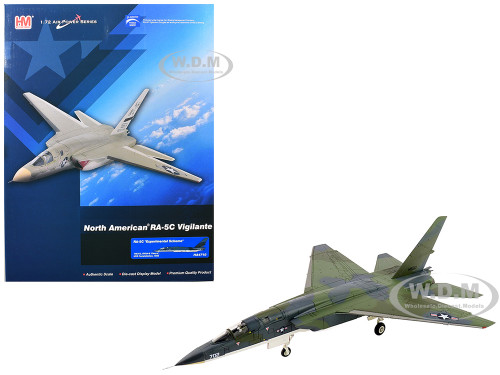
The XB-70 Valkyrie was an experimental strategic bomber developed to investigate sustained high-speed flight at very high altitude. Its enormous delta-wing design, six engines, and distinctive forward canards made it one of the most ambitious American aircraft projects of its era.
Only two prototypes were completed, and the aircraft never entered operational service as a bomber. Nevertheless, the XB-70 remains an important subject for collectors interested in experimental aerospace engineering.
A Valkyrie model can serve as a striking centerpiece in a collection focused on Cold War aircraft or advanced aviation prototypes.
Why Collect North American Diecast Aircraft?
North American aircraft models offer collectors a broad view of American aviation history.
-
World War II aircraft: The P-51 Mustang and B-25 Mitchell represent important fighter and bomber designs.
-
Pilot-training history: The T-6 Texan and T-28 Trojan illustrate how military pilots prepared for operational aircraft.
-
Early jet development: The F-86 Sabre and F-100 Super Sabre demonstrate the rapid development of jet fighter technology.
-
Unusual aircraft configurations: The F-82 Twin Mustang and OV-10 Bronco provide distinctive alternatives to conventional fighters.
-
Experimental aerospace: The X-15 and XB-70 represent ambitious efforts to explore high-speed and high-altitude flight.
Collectors may focus on a particular aircraft type or build a wider North American Aviation display spanning several decades.
Choosing the Right North American Diecast Aircraft Model
Identify the Aircraft and Variant
Start by selecting the aircraft that interests you most. The P-51 suits collectors of World War II fighters, while the B-25 represents bomber aviation. The F-86 and F-100 are natural choices for a Cold War collection, and the X-15 or XB-70 may appeal to enthusiasts of experimental aircraft.
Check the exact designation and variant in the product description, especially when differences in markings, configuration, or historical role matter to your collection.
Consider Scale and Display Space
Military and historical aircraft replicas are commonly offered in scales such as 1:72, 1:48, and 1:32, though availability varies by aircraft and manufacturer.
-
1:72 scale: A compact option for collectors displaying many different aircraft.
-
1:48 scale: A larger display format that allows the overall design to stand out.
-
1:32 scale: A substantially larger replica that can serve as a centerpiece where available.
The ideal scale depends on your display space and preferences. Larger aircraft, particularly the B-25 and XB-70, may require significantly more room than a single-engine fighter. Check the product's dimensions before purchasing.
Review Markings and Model Features
Paint schemes, squadron markings, aircraft numbers, landing gear, propeller details, and display stands can vary among replicas. Collectors seeking historical accuracy should verify the represented aircraft and operational period.
Construction materials, moving components, and packaging also differ by manufacturer and individual product. Review the listing to confirm the features included with the specific model.
Explore North American Diecast Aircraft Models
From the P-51 Mustang and B-25 Mitchell to the F-86 Sabre, F-100 Super Sabre, X-15, and XB-70 Valkyrie, North American Aviation produced aircraft that helped define several generations of military and experimental flight.
Browse the North American category at Diecast Models Wholesale to explore available aircraft replicas, compare models and scales, and find a distinctive addition to your aviation collection.


 $49.99
 $49.99
 $49.99
 $49.99
 $49.99
 $49.99

 $49.99


 $24.95
 $49.99
 $49.99
 $49.99
 $49.99
 $49.99


 $69.99



 $36.99