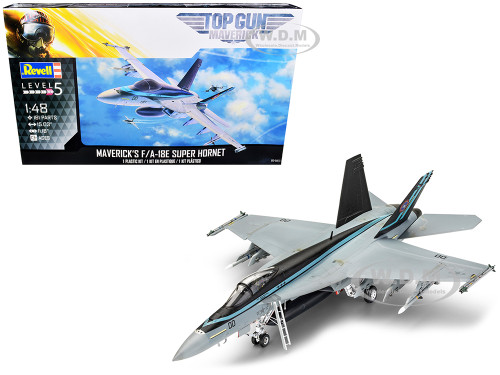
War Aircraft Diecast Models
The War category at DiecastModelsWholesale.com focuses on aircraft associated with military aviation and wartime history. These war aircraft models allow collectors to explore the development of military airplanes through detailed miniature representations of fighters, bombers, reconnaissance aircraft, transports, trainers, patrol aircraft, and other aircraft used during periods of conflict.
For collectors interested in military aviation, this category offers a way to organize a collection around aircraft history rather than simply by manufacturer or scale. Models can represent different countries, conflicts, aircraft manufacturers, military services, squadrons, historical eras, and aircraft roles.
The history behind these aircraft is an important part of the collecting experience. Military aviation developed rapidly during the 20th century, and the aircraft used in different conflicts reflect major changes in propulsion, aerodynamics, weapons technology, navigation, materials, and aircraft design.
Military Aviation and War Aircraft
Aircraft became an important military technology during World War I. Early military airplanes were adapted for reconnaissance, observation, artillery spotting, bombing, and aerial combat. The Smithsonian's National Air and Space Museum describes World War I as a formative period in military aviation, when the new technology of the airplane was adapted to warfare on an unprecedented scale. Aircraft such as the Sopwith Camel, Fokker D.VII, SPAD XIII, and Dayton-Wright DH-4 illustrate the variety of aircraft used during the conflict.
The role of aircraft expanded considerably during the years that followed. Improvements in engines, airframes, radios, navigation, armament, and manufacturing allowed military aircraft to become faster, more capable, and more specialized.
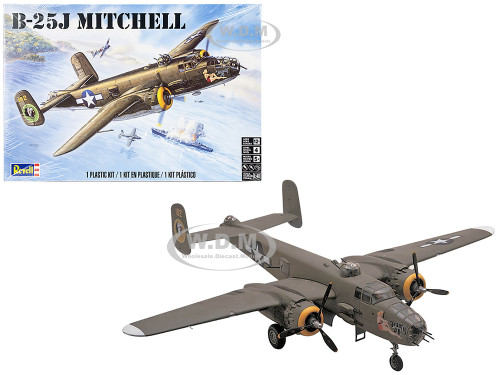
By World War II, military aviation included dedicated fighters, heavy and medium bombers, carrier aircraft, reconnaissance planes, transports, trainers, flying boats, and other specialized aircraft. The Smithsonian's collection of World War II aircraft illustrates this range, including aircraft such as the P-51 Mustang, B-29 Superfortress, P-38 Lightning, B-25 Mitchell, F4U Corsair, TBF Avenger, and early jet aircraft.
This rapid technological progression makes warplane diecast models particularly interesting for collectors. A collection can tell a story about the evolution of aviation from early open-cockpit aircraft to piston-engine fighters and ultimately to jet-powered military aircraft.
Types of War Aircraft Models
Military aircraft served many different purposes. When choosing a war aircraft model, understanding its role can help collectors organize their collection and select subjects that fit a particular historical theme.
Fighter Aircraft
Fighters are designed primarily for aerial combat and became some of the most recognizable military aircraft of the 20th century.
Collectors may encounter models representing:
- World War I fighters
- World War II fighters
- Carrier-based fighters
- Interceptors
- Jet fighters
- Supersonic fighters
- Modern tactical aircraft
Famous examples from different eras include the Sopwith Camel, Fokker D.VII, P-51 Mustang, P-38 Lightning, F4U Corsair, P-47 Thunderbolt, F6F Hellcat, and many later jet fighters.
Fighter aircraft are often particularly appealing as display models because of their distinctive silhouettes, national markings, camouflage schemes, squadron markings, and historical associations.
Bomber Aircraft
Bombers were designed to carry and deliver weapons against targets from the air. They range from relatively compact tactical aircraft to large strategic bombers.
World War II produced some of the most recognizable bomber aircraft in aviation history. The Boeing B-17 Flying Fortress and Consolidated B-24 Liberator are notable examples of American heavy bombers from the period. The National Museum of the U.S. Air Force notes that both aircraft played major roles in the U.S. strategic bombing campaign, while their designs reflected different approaches to speed, range, payload, and survivability.
A bomber collection can therefore be organized around aircraft type, country, conflict, manufacturer, or technological generation.
Reconnaissance & Observation Aircraft
Not every military aircraft was designed primarily for combat. Reconnaissance and observation aircraft were used to gather information, observe enemy positions, conduct mapping, and support other military operations.
These aircraft can be particularly interesting to collectors because their designs sometimes differed substantially from fighters and bombers. Long-range aircraft, high-altitude aircraft, observation planes, and specialized reconnaissance platforms all represent different approaches to military aviation.
Transport & Support Aircraft
Military aviation also depends on aircraft designed to move personnel, equipment, supplies, and other resources.
Transport aircraft can make an excellent addition to collections focused on the complete military aviation system because they represent the logistical side of air operations rather than only combat aircraft.
Support aircraft can include transports, tankers, trainers, liaison aircraft, and other specialized platforms.
Naval & Carrier Aircraft
Naval aviation introduced another specialized group of war aircraft. Carrier-based aircraft must operate within the constraints of aircraft carriers, including limited deck space and specialized takeoff and landing requirements.
Collectors may find fighters, attack aircraft, torpedo bombers, reconnaissance aircraft, and other naval aviation subjects.
Carrier aircraft also provide an opportunity to build collections around particular navies, aircraft carriers, conflicts, or naval aviation eras.
War Aircraft by Historical Era
One of the most useful ways to collect military aircraft is by historical period.
World War I Aircraft
World War I represents the early development of organized military aviation. Aircraft from this era often feature biplane configurations, exposed cockpits, fabric-covered wings, and relatively simple mechanical designs.
The Smithsonian's World War I aviation collection includes aircraft and artifacts associated with several nations, illustrating the international development of military aviation between 1914 and 1918.
World War II Aircraft
World War II produced an enormous variety of military aircraft and accelerated aircraft development. Fighters, bombers, transports, naval aircraft, trainers, and reconnaissance aircraft all evolved rapidly during the conflict.
The Smithsonian notes that its World War II aviation collection includes propeller-driven trainers, fighters, flying boats, bombers, and early jet-powered aircraft, illustrating how quickly military aviation changed during the period.
This makes WWII aircraft models one of the broadest possible themes for a military aviation collection.
Korean War & Early Jet Aviation
The Korean War period represents an important transition between piston-engine combat aircraft and the jet age. Aircraft such as the F-86 Sabre and MiG-15 became associated with the first large-scale jet fighter combat.
Collectors interested in this era can use aircraft models to illustrate the rapid development of jet propulsion and swept-wing aircraft.
Vietnam War Era
The Vietnam War introduced another important generation of military aircraft, including fighters, attack aircraft, bombers, reconnaissance aircraft, helicopters, and specialized support aircraft.
This era can be particularly interesting for collectors who want to explore the changing roles of tactical aircraft and the development of specialized aircraft systems.
Cold War Aircraft
The Cold War produced aircraft designed around speed, altitude, range, electronic systems, interception, strategic bombing, reconnaissance, and increasingly sophisticated weapons technology.
Aircraft from this period can range from early jet fighters to large strategic bombers and specialized reconnaissance aircraft.
The National Museum of the U.S. Air Force's collection reflects this progression through exhibits covering the early years of military aviation, World War II, Korea, Southeast Asia, the Cold War, research and development, and later periods.
Modern Military Aircraft
Modern military aircraft incorporate advanced avionics, sensors, materials, engines, and aerodynamic designs. Stealth aircraft, multirole fighters, electronic warfare aircraft, transports, and specialized surveillance aircraft represent another major stage in military aviation.
For collectors, modern aircraft can be compared with earlier generations to see how dramatically military aircraft design has changed over time.
Collecting War Aircraft by Country
Another approach is to organize a military aircraft collection by country or air force.
A collection might focus on:
- United States
- United Kingdom
- Germany
- Japan
- France
- Soviet Union
- Russia
- Italy
- Canada
- Other national air forces
Collectors can then narrow their collection by conflict, aircraft manufacturer, squadron, aircraft type, or historical period.
National markings and camouflage are especially important when comparing aircraft from different countries. Even aircraft with similar roles can have very different appearances depending on their operator and era.
Famous Warplanes and Aircraft Manufacturers
Many military aircraft have become closely associated with the manufacturers that designed and produced them.
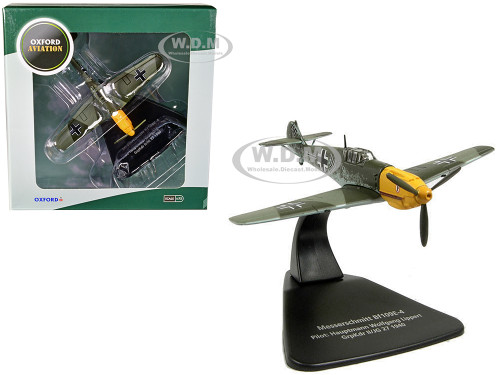
Depending on the period, collectors may encounter aircraft associated with manufacturers such as Boeing, Lockheed, North American Aviation, Republic, Grumman, Curtiss, Douglas, Vought, Northrop, Supermarine, Hawker, Messerschmitt, Junkers, Mitsubishi, and many others.
A manufacturer-based collection can be especially interesting when it includes several aircraft types from different periods. For example, a collector might follow one company's development from early propeller aircraft through World War II designs and later jet aircraft.
DMW's broader Vehicle Make category can also be useful when exploring aircraft manufacturers alongside manufacturers of other collectible vehicles.
War Aircraft Diecast Scales
Scale is an important consideration when purchasing military aircraft models.
Aircraft are often available in scales such as 1/18, 1/32, 1/48, 1/72, 1/100, 1/144, 1/200, and 1/400, although the available scales depend heavily on the aircraft and manufacturer.
Larger aircraft models generally provide more physical space for features such as cockpit details, panel lines, landing gear, antennas, weapons, engines, and surface markings. Smaller scales allow collectors to display more aircraft while using less shelf space.
A collector building a World War II fighter collection, for example, may choose one consistent scale so aircraft can be displayed together. Another collector may select models based primarily on historical importance and accept different scales when a particular aircraft is only available in one format.
For more information about scale, visit DMW's Diecast Model Scales category.
Details That Matter to Military Aircraft Collectors
Military aircraft models are often distinguished by details beyond the basic aircraft shape.
When comparing similar models, collectors may consider:
- Aircraft variant
- Manufacturer
- Historical period
- Country of operation
- Military branch
- Squadron or unit
- Pilot or crew association
- Aircraft markings
- Camouflage pattern
- National insignia
- Registration or serial number
- Armament configuration
- Propeller or engine configuration
- Landing gear
- Cockpit and canopy details
These characteristics can make two models representing the same basic aircraft significantly different collectibles.
For historical collections, it can also be useful to identify whether a model represents a specific aircraft, a particular unit, or a generic version of the aircraft type.
Building a War Aircraft Collection
There are many ways to build a collection around military aviation.
Collect by Conflict
Focus on aircraft from World War I, World War II, Korea, Vietnam, the Cold War, or another historical period.
Collect by Aircraft Type
Build a collection exclusively around fighters, bombers, reconnaissance aircraft, transports, naval aircraft, or another role.
Collect by Manufacturer
Follow aircraft produced by a particular manufacturer across several generations.
Collect by Country
Build a collection around the aircraft operated by a particular nation or air force.
Collect by Scale
Choose one scale to create a consistent display and make it easier to compare aircraft visually.
Collect by Historical Aircraft
Instead of following one category, select individual aircraft with particular historical significance or personal interest.
War Aircraft Models for Collectors
War aircraft models provide more than miniature representations of military airplanes. They offer a way to explore the technological and historical development of military aviation through aircraft design, markings, manufacturers, and different eras of service.
From early World War I aircraft and famous World War II fighters and bombers to Cold War jets and modern military aircraft, the War category gives aviation collectors a focused way to explore military aircraft subjects.
Browse the available war aircraft diecast models at DiecastModelsWholesale.com and explore aircraft by era, type, manufacturer, country, scale, and historical subject to find models that fit your collection.







 $36.99


 $34.99