The War category features military diecast models representing vehicles, aircraft, and equipment associated with wartime service and military history. For collectors, these scale replicas provide a way to explore the development of military transportation and technology across different conflicts, countries, and historical periods.
Military technology changed dramatically during the 20th century. Armored cars, tanks, military trucks, aircraft, helicopters, artillery vehicles, and specialized support equipment transformed how armed forces moved personnel and supplies and operated on the battlefield. These changes also created a remarkable variety of historically significant vehicles for collectors to explore.
At DiecastModelsWholesale.com, the War category is intended for collectors, history enthusiasts, military vehicle fans, hobbyists, and shoppers looking for scale models connected with wartime equipment.
What Are War Diecast Models?
War diecast models are miniature replicas of military vehicles and equipment associated with wars and armed conflicts. Depending on the particular model, the original subject may have been designed for combat, reconnaissance, transportation, logistics, communication, engineering, rescue, or other military duties.
The category can include subjects such as:
- Tanks and armored fighting vehicles
- Armored cars and reconnaissance vehicles
- Military trucks and cargo vehicles
- Jeeps and tactical utility vehicles
- Half-tracks and personnel carriers
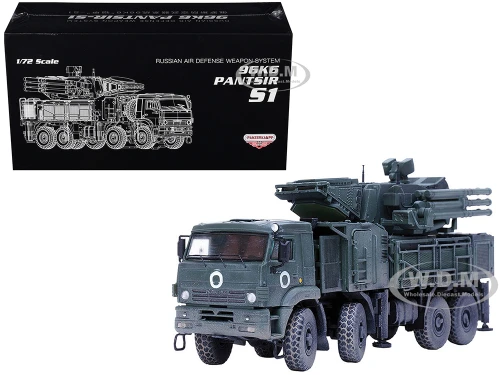
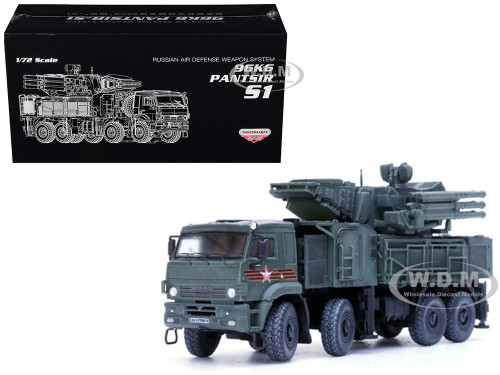
- Artillery and self-propelled guns
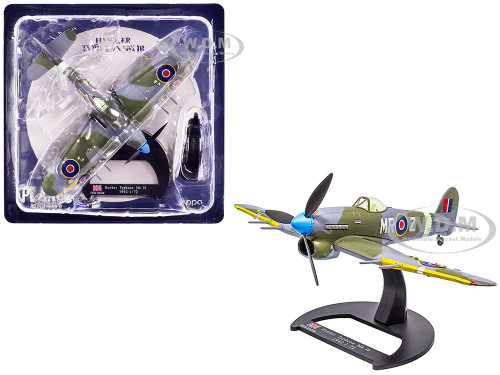
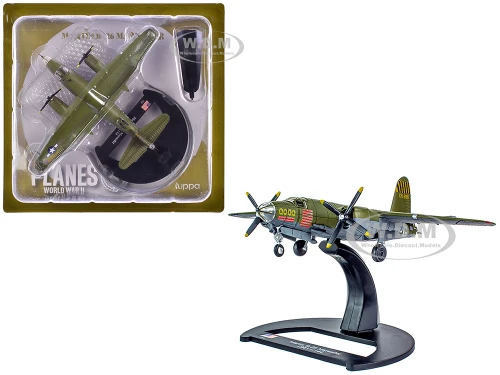
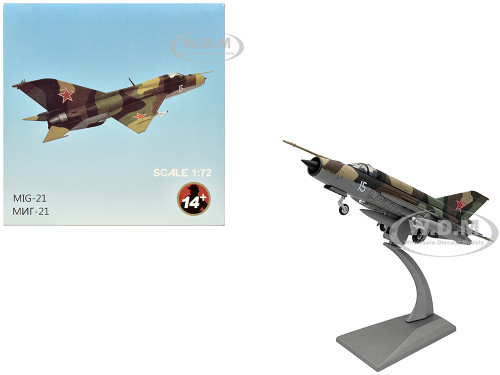
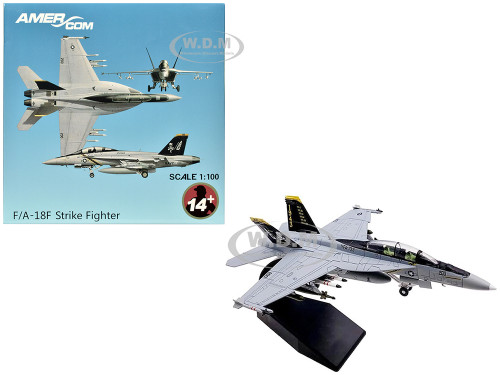
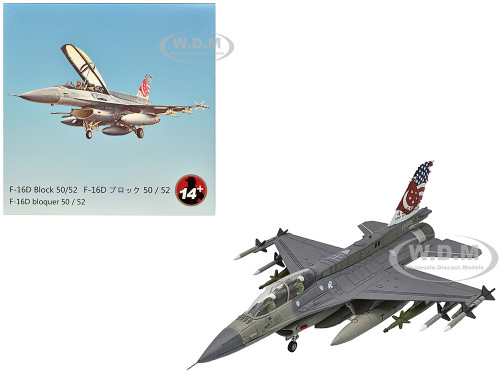
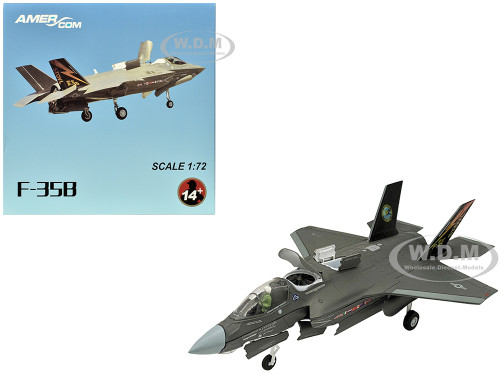
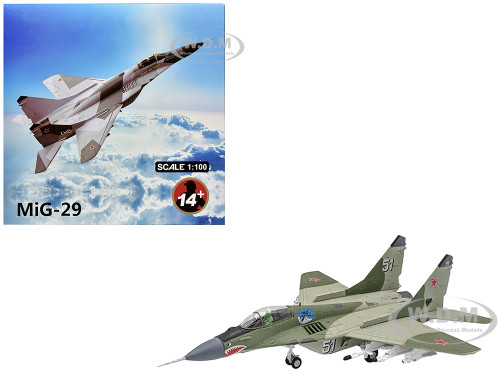
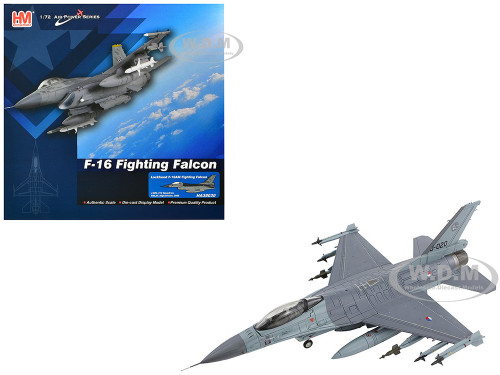
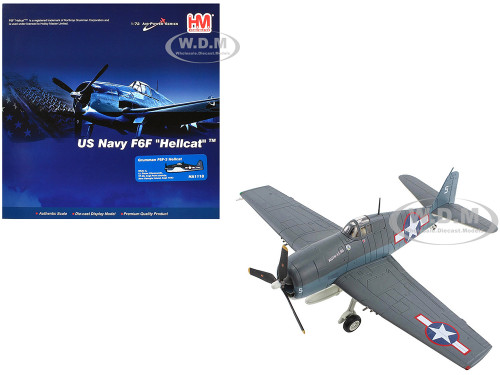
- Military aircraft and warplanes
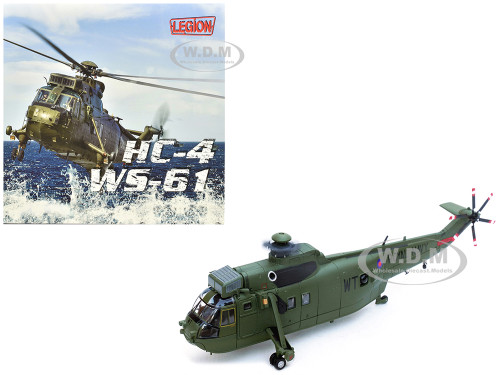
- Military helicopters
- Amphibious vehicles
- Command and communications vehicles
- Military motorcycles
- Specialized support equipment
The emphasis is on the historical military context of the subject, rather than simply whether a vehicle was designed as a combat machine. A cargo truck or utility vehicle can be just as historically relevant to a wartime collection as a tank because military operations depend on transportation, supply, maintenance, and communication as well as combat equipment.
How War Changed Military Vehicles
The development of motor vehicles fundamentally changed military transportation. Before widespread mechanization, armies relied heavily on horses, railways, ships, and other forms of transportation. Motor vehicles allowed troops and supplies to move more quickly and encouraged the development of specialized military vehicles.
The Smithsonian's historical collections document this transition, including early armored cars, tanks, motor vehicles, aircraft, artillery equipment, and other technology associated with World War I.
World War I was an especially important period in the development of armored and mechanized warfare. Early armored cars combined motorized mobility with protective armor, while tracked tanks were developed to cross difficult terrain and obstacles. The tank became a distinct military vehicle rather than simply an armored automobile.
For collectors, this period provides some of the most distinctive military vehicle designs, with early machines looking substantially different from the tanks and tactical vehicles developed in later decades.
World War I Military Models
World War I introduced many forms of military technology that would influence subsequent conflicts. Tanks, armored cars, military aircraft, motor vehicles, artillery transport, and other mechanized equipment became important subjects of military history.
The Smithsonian's wartime collections specifically document military technology and engineering from the period, including tanks, planes, motor vehicles, and logistical equipment.
Collectors interested in World War I models may look for:
- Early tanks
- Armored cars
- Military trucks
- Artillery tractors
- Early military aircraft
- Utility vehicles
- Ambulances and support vehicles
- Early armored and tracked equipment
These models can be particularly interesting when compared with later military vehicles because they show how quickly vehicle design evolved during and immediately after the conflict.
World War II Military Diecast Models
World War II produced an enormous variety of military vehicles and equipment, making it one of the most represented periods in military collecting.
Tanks, armored cars, half-tracks, jeeps, trucks, amphibious vehicles, aircraft, and specialized support equipment were produced in large numbers and in many different configurations. The industrial mobilization of the period also connected military vehicle production with major automobile and manufacturing companies.
World War II aircraft alone included fighters, bombers, trainers, flying boats, carrier aircraft, reconnaissance aircraft, and early jet-powered aircraft. The Smithsonian's collection demonstrates the breadth of military aviation during the conflict.
For diecast collectors, this creates numerous possibilities for building a collection around a particular country, vehicle type, military branch, theater, or year.
Tanks and Armored Vehicles
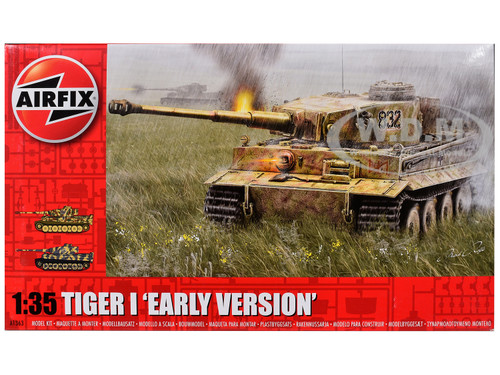
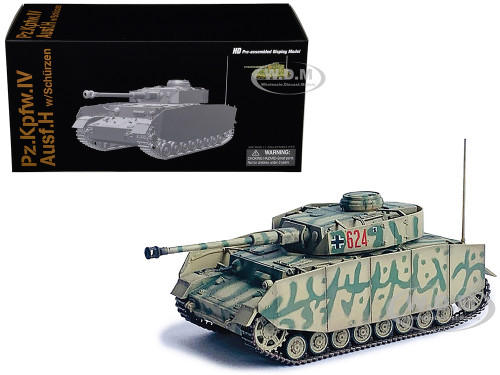
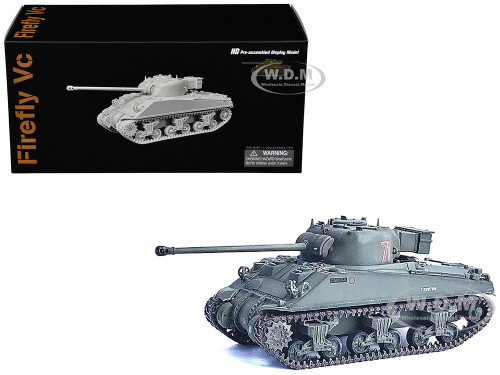
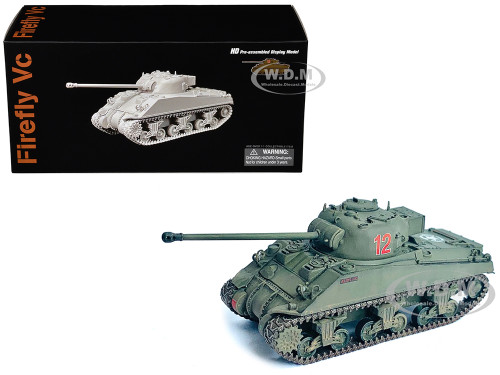
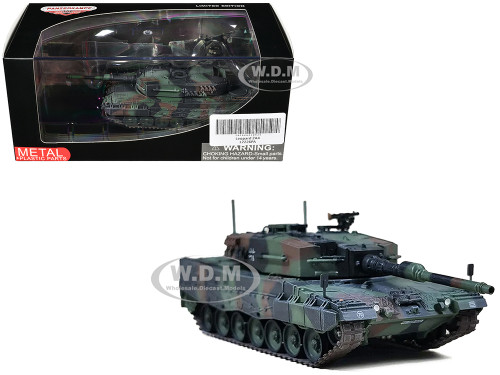
Tanks are among the most recognizable subjects in war diecast collecting. Their combination of armor, tracks, turrets, guns, suspension systems, and distinctive silhouettes makes them particularly identifiable as scale models.
World War I introduced the tank as a new category of tracked armored fighting vehicle, while World War II saw rapid development in armor, mobility, armament, and vehicle specialization. Smithsonian collections document the extensive history of tanks and armored vehicles from these periods.
Collectors may encounter models representing:
- Light tanks
- Medium tanks
- Heavy tanks
- Main battle tanks
- Armored cars
- Half-tracks
- Armored personnel carriers
- Infantry fighting vehicles
- Self-propelled artillery
- Reconnaissance vehicles
- Tank destroyers
Explore Tanks & AFVs for military models specifically focused on armored fighting vehicles.
Military Trucks and Support Vehicles
Wartime transportation extends far beyond tanks. Military trucks transported personnel, ammunition, fuel, food, spare parts, engineering equipment, and other supplies.
The importance of these vehicles is reflected in wartime records and historical collections. During World War II, automobile manufacturers produced military trucks, jeeps, amphibious vehicles, tanks, armored vehicles, aircraft components, and other defense equipment.
Military truck models can therefore represent an important part of a historical collection, particularly when displayed alongside tanks or other combat vehicles.
Common subjects include:
- Cargo trucks
- Troop transports
- Fuel trucks
- Artillery tractors
- Recovery vehicles
- Command vehicles
- Communications trucks
- Ambulances
- Engineering vehicles
- Amphibious trucks
Warplanes and Military Aircraft
Aircraft transformed warfare by adding reconnaissance, air combat, bombing, transport, naval aviation, and other capabilities to military operations.
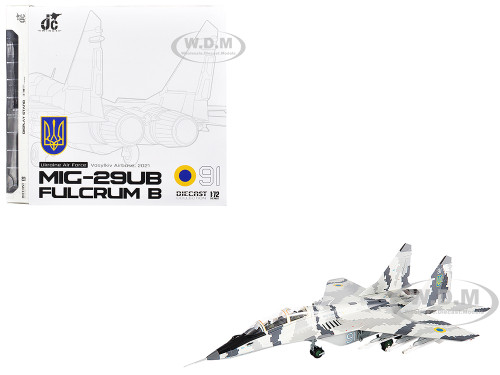
World War II was a particularly important period for military aviation. The Smithsonian's World War II aircraft collection includes fighters, bombers, trainers, flying boats, carrier aircraft, and early jets, illustrating the rapid technological development that took place during the conflict.
Warplane diecast models can represent aircraft from different countries, manufacturers, services, and missions. Details such as national markings, squadron insignia, aircraft numbers, camouflage, weapons configuration, and nose art can help identify the historical subject.
Explore Aircraft & War Planes for military aircraft and warplane models.
Military Helicopters
Helicopters became increasingly important to military operations after World War II. Their ability to take off and land vertically gave armed forces new options for transport, observation, rescue, utility work, and other missions.
A helicopter collection can therefore complement traditional tanks and military trucks while representing another stage in the development of military technology.
The Helicopter category provides a dedicated selection of helicopter subjects.
War Models by Historical Period
One of the easiest ways to organize a war diecast collection is by historical period.
World War I
World War I represents the early mechanization of warfare, with pioneering tanks, armored cars, military aircraft, trucks, and specialized equipment. The Smithsonian's collections document the period's rapid development of military technology and its importance to the history of mechanized warfare.
World War II
World War II produced a particularly broad range of military equipment. Tanks, trucks, jeeps, half-tracks, aircraft, amphibious vehicles, artillery systems, and other specialized machines were developed and produced on a large scale.
Korean War
The Korean War period continued the development of armored vehicles, military aircraft, helicopters, tactical trucks, and other equipment following World War II.
Vietnam War
The Vietnam era introduced and refined a range of helicopters, tactical vehicles, armored personnel carriers, trucks, aircraft, and specialized equipment suited to different operating environments.
Cold War
The Cold War brought successive generations of tanks, armored vehicles, military trucks, helicopters, fighter aircraft, bombers, and support equipment. Collectors can compare equipment developed by different countries during this period and examine how military technology changed between the 1950s and the end of the 20th century.
Modern Conflicts
Modern military vehicles incorporate developments in armor, communications, electronics, sensors, mobility, and mission-specific equipment. Modern tactical vehicles can look substantially different from their World War II predecessors while continuing to perform familiar roles such as reconnaissance, transportation, logistics, and protected mobility.
The National Archives organizes its military resources across conflicts including World War I, World War II, the Korean War, Vietnam, and the Cold War, reflecting the breadth of military history available for research.
War Diecast Models by Country
National origin provides another useful way to organize a collection. Different countries developed military equipment according to their own industrial capabilities, military requirements, geography, and strategic priorities.
Collectors may focus on:
- American military vehicles
- German military vehicles
- British military vehicles
- French military vehicles
- Japanese military vehicles
- Soviet and Russian military vehicles
- Italian military vehicles
- Other European military equipment
Country-based collecting can become particularly interesting when comparing vehicles designed for similar purposes. Two nations may develop very different tanks, trucks, aircraft, or armored vehicles in response to similar military requirements.
Visit the Military Country category to explore military subjects organized around national origin.
Details Collectors Can Compare
Military models are often collected for their historical and mechanical details. When comparing war diecast models, collectors may want to consider:
- Vehicle configuration: The exact version or variant represented
- Armor: Hull design, armor layout, hatches, and protective structures
- Tracks and suspension: Track pattern, road wheels, and suspension details
- Turret and armament: Where applicable
- Cargo and equipment: Tools, fuel cans, spare tires, crates, and external gear
- Camouflage: Period- and operator-specific paint schemes
- Markings: National insignia, unit markings, vehicle numbers, and other identifiers
- Aircraft details: Cockpit, landing gear, propellers, engines, weapons, and markings
- Vehicle interiors: Cab, crew compartment, or cockpit details where visible
- Working features: Movable turrets, guns, wheels, doors, hatches, or other components depending on the model
The specific historical configuration can be important. Military vehicles were frequently modified during production or upgraded during service, so two models representing the same basic vehicle can depict different versions.
War Diecast Scales
War and military diecast models are produced in a variety of scales. Availability depends on the specific vehicle and manufacturer, but collectors may encounter:
- 1/18 scale — larger display models with substantial visual presence
- 1/24 scale — popular for detailed military vehicle displays
- 1/32 scale — useful for vehicles and diorama scenes
- 1/35 scale — widely associated with military modeling
- 1/43 scale — compact scale for broader collections
- 1/48 scale — particularly common among military aircraft subjects
- 1/64 scale — useful for compact displays and larger scenes
- 1/72 and smaller aircraft scales — commonly encountered for military aviation subjects
When creating a diorama or displaying several vehicles together, matching scale can help maintain consistent proportions.
Building a War Diecast Collection
There are many ways to approach a war diecast collection. Some collectors concentrate on one conflict, while others collect by country, military branch, vehicle type, manufacturer, or scale.
Possible themes include:
- World War I vehicles
- World War II tanks
- World War II military trucks
- WWII aircraft
- Korean War equipment
- Vietnam-era vehicles and helicopters
- Cold War military vehicles
- Modern armored vehicles
- Military aircraft by country
- Military trucks and logistics vehicles
- Tanks and AFVs
- Specific scales or manufacturers
Another approach is to build a collection that shows technological progression. For example, an early tank can be displayed alongside a World War II tank, Cold War armored vehicle, and modern main battle tank to illustrate changes in armor, mobility, turret design, and overall vehicle engineering.
War Diecast Models for Collectors
War diecast models provide a way to explore military history through the vehicles and technology that shaped different periods. From the first tracked tanks and armored cars of World War I to the enormous variety of vehicles and aircraft used during World War II and the increasingly specialized equipment of the modern era, each model can represent a particular technological and historical chapter.
Browse the War Diecast Models category at DiecastModelsWholesale.com to explore military vehicles, tanks, trucks, aircraft, and other wartime subjects, and find scale models that fit your collection, historical interests, and display.



 $54.99
 $119.99

 $119.99





 $30.95
 $30.95
 $30.95
 $30.95
 $30.95

 $39.95
 $49.95
 $49.95
 $39.95
 $34.95
 $39.95
 $39.95
 $39.95
 $39.95
 $39.95
 $99.99
 $99.99
 $99.99
